
International Anti-Drug Day 26 June: Meaning, Purpose, and How to Commemorate
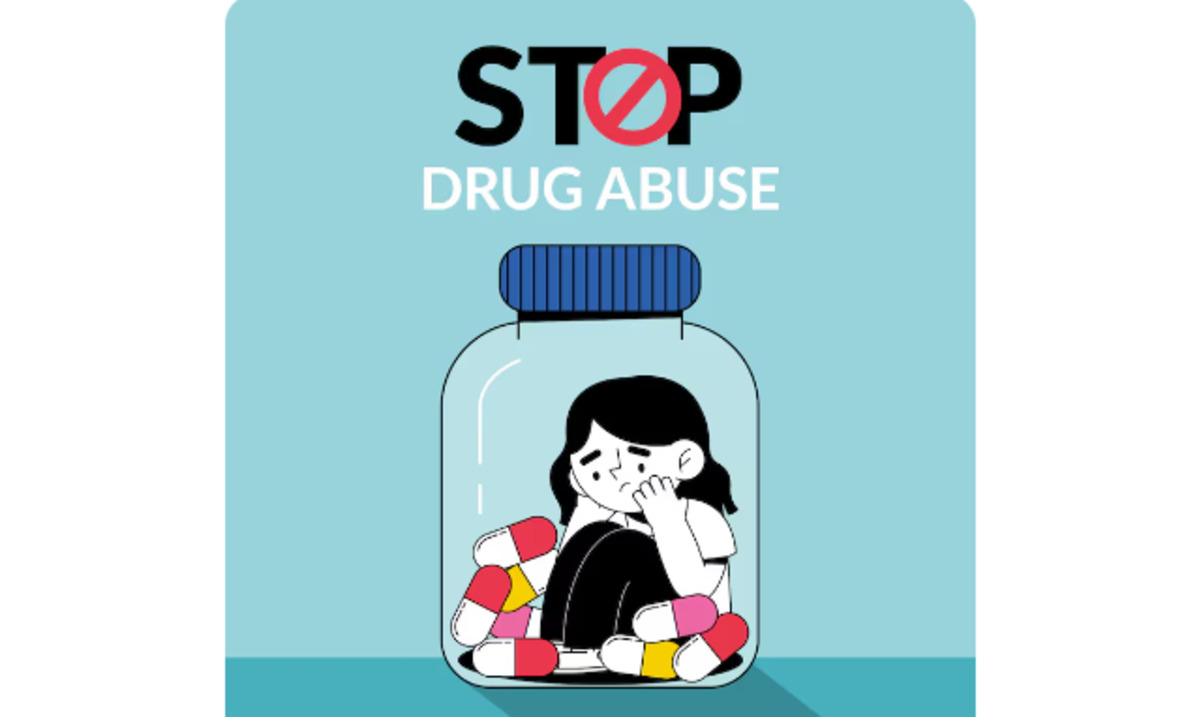
International Anti-Drug Day is observed on 26 June as a momentum to remind people of the dangers of drug abuse for individuals, families, schools, workplaces, and the wider community. This commemoration is not merely a ceremonial agenda, but an invitation to build collective awareness: to prevent early, to support those who are vulnerable, and to strengthen environments to be healthy and safe from the abuse of harmful substances.
The issue of drugs is not only related to legal violations. More than that, drug abuse can impact physical and mental health, social relations, academic achievement, work productivity, and the future of the younger generation. Therefore, International Anti-Drug Day serves as a reminder that prevention must be carried out consistently, starting from the family, education, community, and digital spaces.
The main meaning of International Anti-Drug Day is to build collective awareness that drugs are a serious threat that must be prevented together. This commemoration affirms that everyone has a role, whether as a parent, teacher, student, health worker, community leader, or ordinary citizen.
For families, this momentum can be interpreted as an opportunity to strengthen communication with children and other family members. Many drug abuse problems begin with curiosity, peer pressure, stress, or the lack of a safe space to talk. Open communication can be the first fortress to prevent someone from seeking escape in destructive things.
For schools and campuses, International Anti-Drug Day is a reminder of the importance of preventive education that enlightens rather than frightens. Students need to understand the risks of drugs in language that is easy to comprehend, accompanied by skills to refuse negative invitations, manage emotions, and choose healthy friendships.
The purpose of commemorating International Anti-Drug Day is to strengthen the prevention of drug abuse through education, campaigns, and community participation. This commemoration also encourages the formation of environments that care for victims or people who are struggling to escape dependency.
In a social context, another important goal is to reduce stigma. People experiencing drug abuse problems need the right approach, including family support and professional services. Excessive stigma can actually make someone afraid to seek help. Therefore, anti-drug campaigns should be delivered firmly about the dangers of drugs, but humanely towards those who need assistance.
This commemoration also aims to encourage the public to be more critical of information. In the digital age, negative influences, risky lifestyle promotions, and misinformation can spread quickly. Digital literacy is an important part of prevention, especially for young people who are active on social media.
There are many positive and impactful ways to commemorate International Anti-Drug Day. Activities do not have to be large or formal. The most important thing is that the prevention message can be understood and applied in daily life.
Schools, campuses, offices, or communities can hold discussions, seminars, short classes, or information-sharing sessions about the dangers of drugs. The material should cover health impacts, social risks, legal consequences, and how to seek help if someone is in a risky situation.
Social media can be used to spread anti-drug messages through posters, short videos, infographics, or inspirational stories. Use positive, non-judgemental language that is easy to share. A good campaign not only prohibits but also provides alternatives: living healthily, productively, and having the courage to say no.
Families can commemorate 26 June with simple conversations at home. Parents can ask about their children’s social circles, the pressures they face, and the things that make them anxious. Avoid immediate judgement. Listen first, then provide clear guidance.
Sports, arts, music, literacy, religious activities, organisations, and social volunteering can be positive spaces for young people. Healthy activities help them build self-confidence, good friendship networks, and stronger life goals.
If someone close is suspected of experiencing drug abuse problems, the first step is to prioritise safety and seek appropriate help. Do not spread their identity or shame them. Calm and responsible support is more beneficial than judgement.
International Anti-Drug Day is observed on 26 June. Its meaning is to invite the public to increase awareness about the dangers of drugs and strengthen prevention efforts in their respective environments. Its purpose is to encourage education, prevention, social care, and support for those who need help related to drug abuse. Simple ways to commemorate it include sharing educational content, holding family discussions, creating positive campaigns, and inviting young people to participate in healthy activities. The family is the closest environment that can provide attention, communication, supervision, and emotional support from an early age. Campaigns can be carried out creatively through social media, community activities, family conversations, or positive activities in schools and workplaces.
International Anti-Drug Day on 26 June is a reminder that the fight against drug abuse cannot be won with slogans alone. It requires consistent education, caring families, healthy environments, and the courage to reject negative influences. With small steps taken together, society can build a living space that is safer, more productive, and free from drug abuse.