
Intermodal Connectivity Strengthens, Jabodetabek Residents' Journeys Become More Extensive
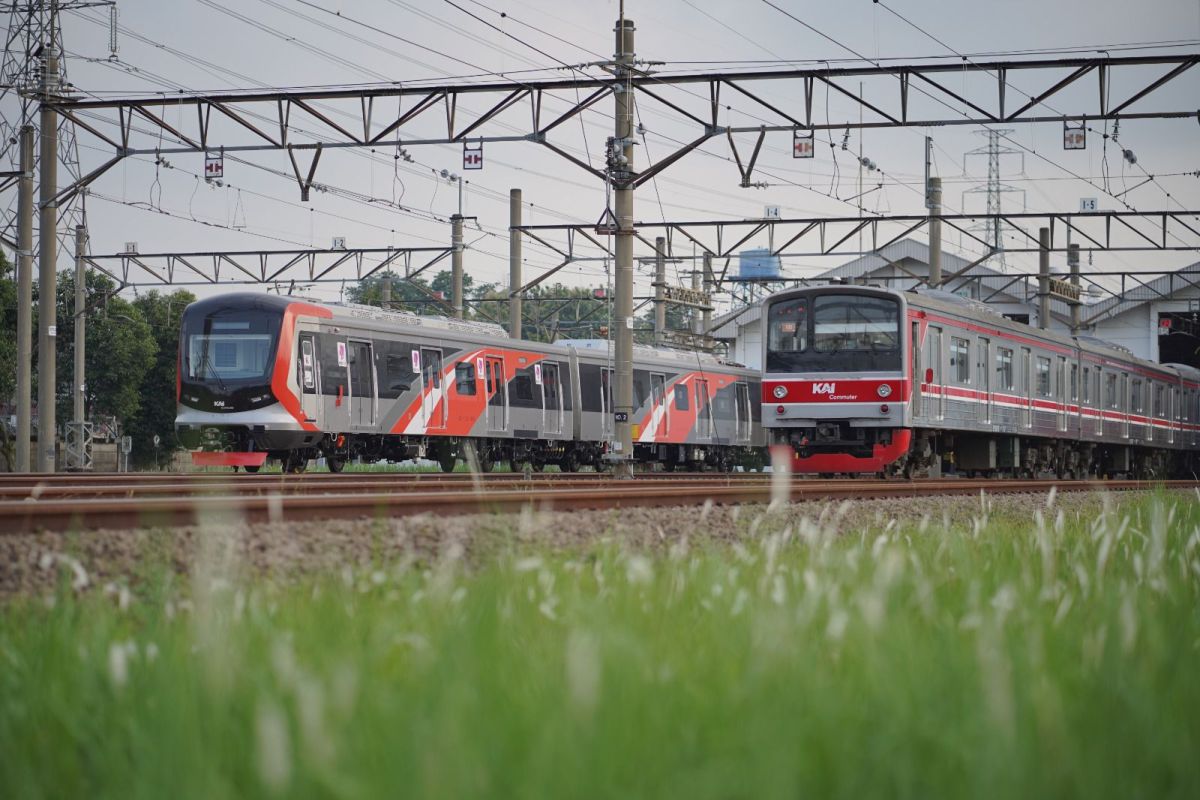
Mobility in urban areas continues to evolve alongside increasingly diverse travel needs. Rail-based transport serves as a connector between regions and modes, making journeys feel more integrated from origin to destination.
KAI Group continues to strengthen this connectivity through the integration of intermodal train services at various strategic nodes. LRT Jabodebek connects directly to the Whoosh high-speed train service at Halim Station, offering seamless travel between urban areas and intercity routes with more efficient travel times.
Connectivity is also established within the urban network. LRT stations at Cawang and Cikoko link to the Commuter Line, while the Dukuh Atas area serves as an integration hub bringing together LRT and KRL in one zone. These connections facilitate easy mode transfers in a continuous journey.
On the other hand, access to the airport is becoming increasingly integrated. The Soekarno-Hatta Airport Commuter Line connects to the KRL Commuter Line via Manggarai, BNI City, Duri, and Batuceper stations. These links open up more flexible travel options to the airport from various points in Jabodetabek.
This strengthening of connectivity is reflected in the increased passenger volumes across various services. In the first quarter of 2026, LRT Jabodebek served 7,754,946 passengers, an increase from 6,351,283 passengers in the same period the previous year, or a growth of 22.10%. Growth is also evident in the Whoosh service, which served 1,408,815 passengers in the first quarter of 2026, up from 1,353,760 passengers in the first quarter of 2025, or a rise of 4.07%.
Meanwhile, Commuter Line Jabodebek served 87,979,372 passengers in the first quarter of 2026, up from 82,114,334 passengers in the first quarter of 2025, or growth of 7.14%. This volume serves as the main support for daily mobility in urban areas.
For airport-bound services, Commuter Line Basoetta recorded 634,921 passengers in the first quarter of 2026, up from 517,166 passengers in the first quarter of 2025, or growth of 22.77%. This increase demonstrates the strengthening role of rail transport in supporting journeys to the airport.
KAI Vice President of Corporate Communication Anne Purba stated that intermodal integration is an important part of delivering more connected journeys for the public.
“The connectivity built between services makes travel feel more efficient. Each transport node complements one another, giving the public more choices in planning their journeys,” said Anne.