
Interior Minister Warns Regional Leaders to Remain on Duty During Eid Holiday
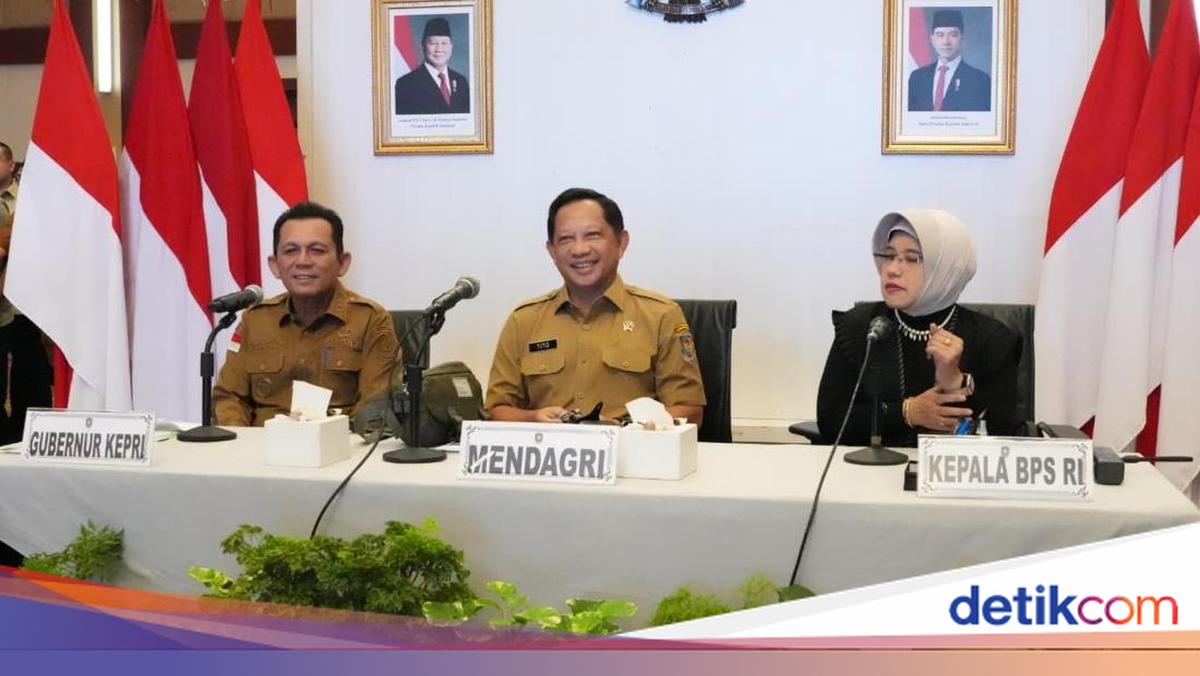
Indonesia’s Interior Minister Muhammad Tito Karnavian has emphasised that all regional heads must remain on duty in their respective areas to ensure optimal public services during the Eid al-Fitr 1447 H celebration.
This follows the Interior Ministry’s circular letter (SE) No. 000.2.3/1171/SJ dated 8 March 2026 regarding the postponement of foreign travel during the Eid al-Fitr 1447 H holiday period.
The policy responds to reports of several regional leaders planning umrah pilgrimages around Eid, which could result in their absence from their areas during this critical period.
Regional heads are the highest-ranking officials in their territories, holding executive authority and responsibility for public services. “When public activities peak and people are on holiday, we should not be. Rather, we should be at our peak to reassure the public that they can carry out their holiday traditions, with the mass migration of travellers, return journeys, controlled prices, and well-maintained tourist destinations,” Tito stated in a written statement on Monday (9 March 2026).
He made these remarks during a coordination meeting on inflation control and regional government preparedness for the 2026 Eid al-Fitr celebration, held in hybrid format from the Riau Islands Governor’s Office Auditorium in Tanjungpinang on Monday (9 March).
Tito explained that the population movement during the mudik (return to hometown) and arus balik (return journey) periods requires serious attention, given that Indonesia has the world’s largest Muslim population. The tradition of mudik during Eid causes a significant surge in population movement.
Additionally, environmental security must be prioritised, particularly as many homes remain unoccupied during the mudik period. This necessitates the arrangement of environmental security measures and the establishment of emergency posts along mudik and arus balik routes.
“When people leave their homes and return to their villages, their houses stand empty and need protection and management. Some may leave their vehicles with neighbours or community representatives,” Tito noted.
“Emergency posts must also be established along the mudik and arus balik routes,” he added.
Tito further stressed the importance of regional government preparedness in ensuring public safety and comfort during the Eid period. This includes safeguarding transportation, anticipating crowds at tourist attractions, and ensuring the availability and price stability of essential commodities ahead of the holiday.
Regarding inflation control, regional heads have been instructed to coordinate with the Forkopimda (Regional Leadership Coordination Forum), distributors, business associations, and market operators to ensure adequate supply and affordable prices.
“To ensure sufficient availability and affordable prices, and if there are price increases, the government will intervene through cheap market initiatives,” Tito said.
Furthermore, Tito announced that to reduce congestion during mudik and arus balik periods, the government is providing flexibility in implementing the Working From Anywhere (WFA) policy. This policy can be applied on 16, 17, 25, 26, and 27 March 2026 in accordance with each ministry, agency, and regional government’s arrangements.
“This must be arranged by each regional head and ministry or agency. This means there will be an extended holiday from 16 to 27 March,” Tito explained.
“I am not calling it a holiday as such, but rather Working From Anywhere,” he emphasised.