
Interior Minister Urges Sustainable Urban Management Amid Urbanisation Issues
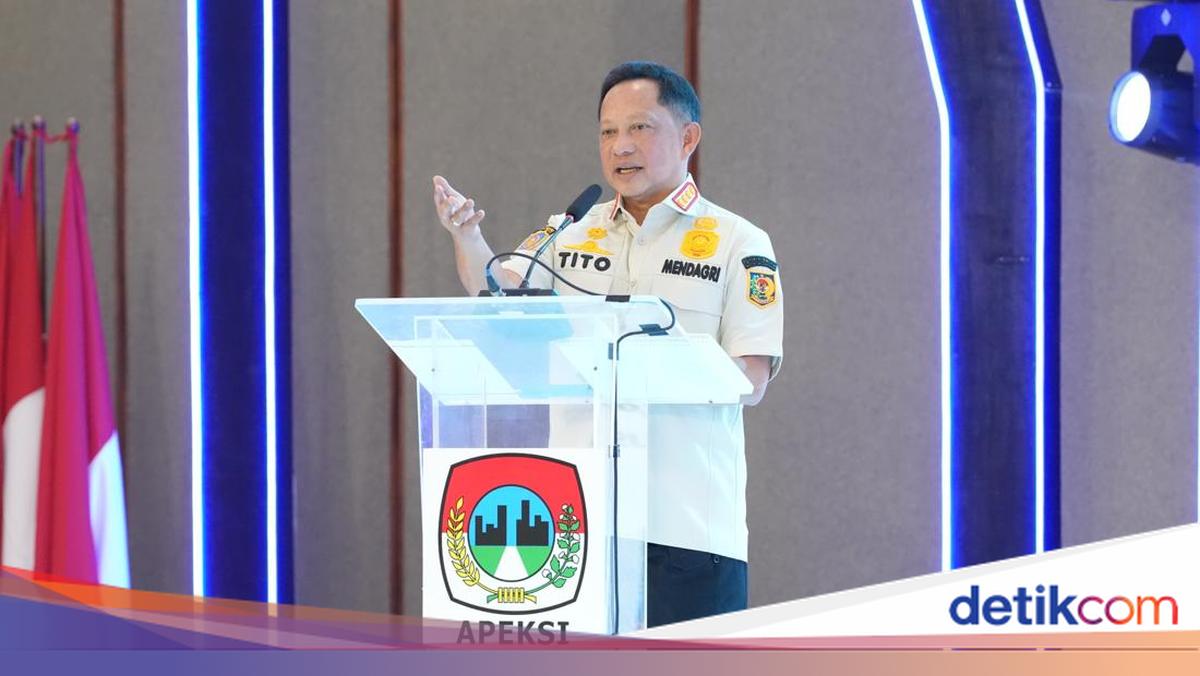
Interior Minister Muhammad Tito Karnavian has reminded stakeholders of the importance of planned and sustainable urban management amid increasing urbanisation flows. According to him, this step is necessary to ensure that city growth remains productive, inclusive, and capable of improving the quality of life for residents.
Tito stressed that cities today serve as national economic centres while being the most vulnerable points to various social issues. “If not managed well, they will become victims. Insufficient education, unable to compete, and eventually drawn into crime,” Tito stated in a written remark on Monday (20/4/2026).
He delivered these remarks while serving as the keynote speaker at the Working Meeting of the Regional Commissariat (Komwil) I of the Association of Indonesian City Governments (APEKSI) in Banda Aceh, Aceh, today.
Further, Tito explained that uncontrolled urbanisation can trigger various problems, such as slum areas, criminality, and high living costs in cities.
On this occasion, Tito indirectly described the strategic role of cities in Indonesia as centres of economic activity and home to the majority of the population. He also touched on the experiences of advanced countries like Japan, which have faced serious impacts from extreme urbanisation.
Tito asserted that if urban development is not well-designed, its long-term effects can be severe, ranging from high living costs to declining quality of life for residents. He also highlighted the importance of disciplined urban spatial planning.
“A good city is one with design. Not a city that grows haphazardly,” he said.
In his directives, Tito also warned that inconsistent policies, particularly the conversion of green spaces into commercial areas, will directly impact disasters such as flooding. Additionally, he assessed that cities in Indonesia are still not pedestrian-friendly and lack open green spaces, even though these have been proven to improve residents’ quality of life.
In this context, Tito cited practices in other countries like Singapore, which has successfully reduced healthcare costs through the development of green spaces and good public facilities.
At the end of his speech, Tito reiterated that local governments must be able to control city growth so that it does not become a source of new problems. He reminded that without thorough planning, cities can transform from centres of growth into centres of crisis.
For information, APEKSI is a forum for 98 city governments in Indonesia that plays a strategic role in urban development. This Komwil I Working Meeting is part of the lead-up to the National APEKSI Working Meeting planned to be held in Medan in mid-2026.
Additionally, the selection of Banda Aceh as the host city serves as an important point for consolidating urban policies, particularly in facing global and domestic challenges.