
Interest in Buying Artworks Wanes, Buyers No Longer Impulsive
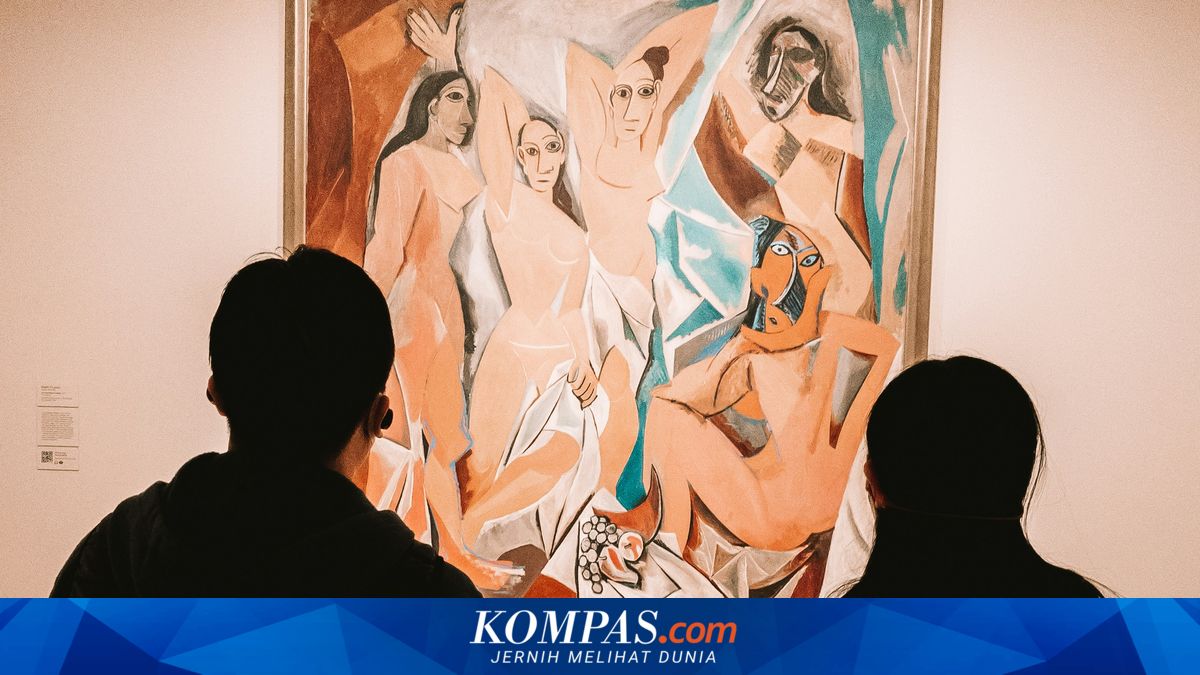
The visual arts market, particularly paintings, has yet to show significant movement throughout the first quarter of 2026. Collectors’ buying interest tends to be more cautious amid economic pressures.
Gallery Director and Co-Founder of RUCI Art Space, Rio Pasaribu, stated that the number of exhibition visitors has not increased. RUCI held a group exhibition earlier this year.
“Visitors have not increased, but there are many new visitors who have never attended a visual arts exhibition before (first timers),” said Rio on Friday (10/4/2026).
Rio assessed that market conditions are influenced by economic uncertainty. Geopolitical volatility, rupiah weakening, and rising prices for necessities are squeezing purchasing power.
Changes are also evident in collectors’ behaviour. Purchases are no longer made spontaneously.
“Buyers’ behaviour has changed. Previously, they tended to be impulsive, but now buyers do more research on the artist and their works before purchasing, so they are no longer impulsive,” he explained.
This situation means that artworks are not yet seen as a primary investment option. The pressure is expected to continue until the end of 2026.
Rio predicts that demand could stagnate or even decline if economic conditions do not improve. Consumers are choosing to hold back on spending for tertiary goods.
“It’s not that they don’t have money, but they are more cautious in their spending, especially for luxury items like paintings,” he said.
Rio advised collectors to be more selective. Understanding the artist’s background and the context of the work is important.
“Study the artist, their work, and the context of the creation. Whether it will remain relevant and be accepted in the international market. If in doubt, don’t buy just because of FOMO,” he concluded.