
Intercity Electric Buses: No SPKLU Specifically for Commercial Vehicles Yet
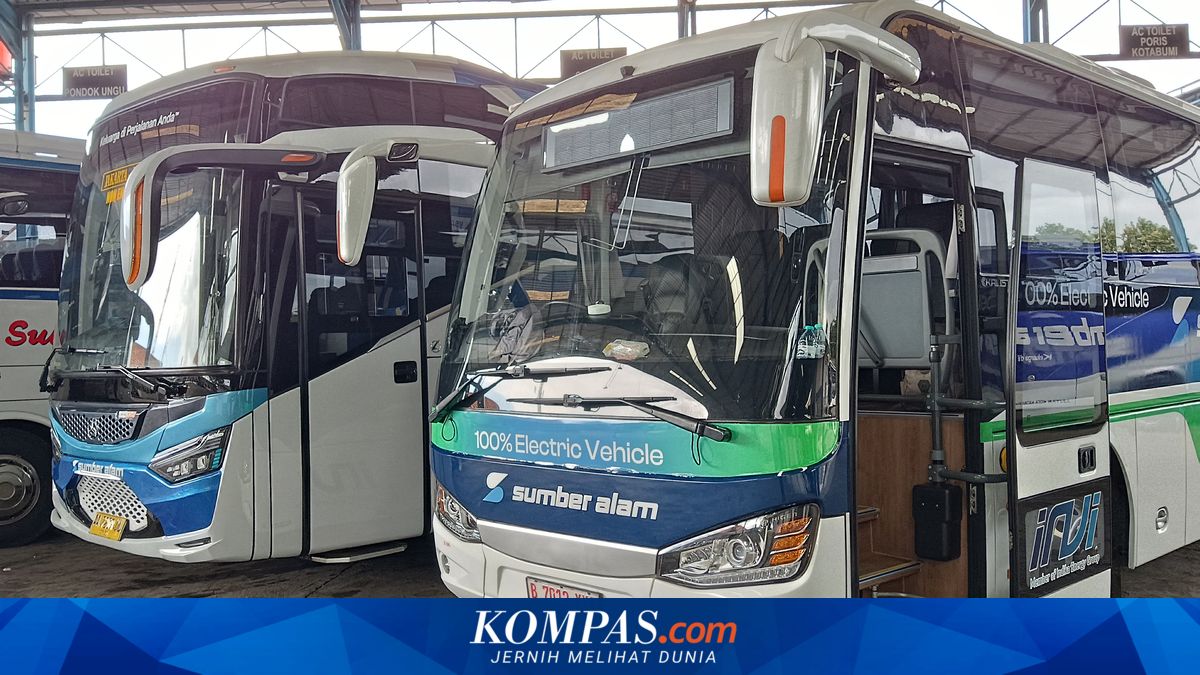
JAKARTA, KOMPAS.com - The electrification trend of commercial vehicles in Indonesia is shifting toward more challenging territory. After urban electric buses have proven to operate in several major cities, some operators are now turning to electric buses for intercity routes.
This bold step has been welcomed by industry players. However, PT Daimler Commercial Vehicles Indonesia (DCVI) has warned that long-distance electric bus operations are not as straightforward as turning one’s hand.
There are major challenges in the ecosystem that must be resolved promptly.
‘The only thing I am worried about is what the ecosystem will look like? How will that ecosystem operate?’ Naeem said in Jakarta, on Friday, 22 May 2026.
According to Naeem, main corridors such as the Trans-Java toll road have started to provide Public Electric Vehicle Charging Stations (SPKLU). However, these facilities are mostly designed for private passenger cars, not for large commercial vehicles such as buses or trucks.
Commercial bus operations require very tight timing. Operators cannot speculate about charging slot availability on the road, because it would disrupt passenger schedules.
‘If you travel for business, for example to Bandung, and you have to book a charging site in advance because you do not know how many vehicles are queuing there. This is the same challenge in many other countries,’ Naeem said.
Therefore, DCVI regards the Trans-Java and Trans-Sumatra toll roads as key. The government is expected to build charging infrastructure dedicated to buses and trucks along these toll roads.
‘If the government builds all charging stations specifically for commercial vehicles along the main toll roads, we have essentially solved most of the problem,’ he said.
Another crucial challenge is from the business side of bus operators. Unlike private car users, intercity bus passengers are highly sensitive to ticket prices.
For bus operators, their main target is to ensure all seats are filled to cover the high operating costs. Losing even one passenger means a loss of potential business.
‘When talking to customers and bus operators, the key is to ensure full occupancy. Buses must be full before departing for distant destinations like Medan. Every empty seat is a loss,’ Naeem explained.
This pressure means the price of electric buses and their operating costs must be truly efficient so that ticket prices remain affordable for the broad public who are the main consumers of land transport.
This is where government incentives play a crucial role, not only for passenger cars but also for bus operators or manufacturers (OEMs).