
Intention to fast Tarwiyah on 25 May 2026, with its virtues and Sunnahs
Tarwiyah fasting is presented as one of the best acts of worship to perform during the first days of Dzulhijjah, with Tarwiyah arriving just before Arafah fasting, on 8 Dzulhijjah. Then, what is the niat (intention) for it?
According to NU Online, niat is a firm resolve to do something that arises together with carrying out the action. In Islam, every act of worship must be based on intent. Without it, good deeds performed have no value.
In the Hadith collection Arba’in an-Nawawi, Imam an-Nawawi includes the famous hadith about the importance of intention:
إِنَّمَا الأَعْمَالُ بِالنِّيَّاتِ، وَإنَّمَا لِكُلِّ امْرِىْءٍ مَا نَوَى
Meaning: ‘Indeed, actions are according to intentions, and each person will get what he intended…’ (HR Bukhari and Muslim)
Then, what is the niat for Tarwiyah fasting? Let us learn the complete reading, with its virtues and Sunnahs, through the following description.
Niat Puasa Tarwiyah 25 Mei 2026
According to information from the Ministry of Religious Affairs, 1 Dzulhijjah 1447 H falls on Monday, 18 May 2026. Consequently, the Tarwiyah fasting date on 8 Dzulhijjah coincides with Monday, 25 May 2026.
Returning to the matter of niat, scholars differ on whether it is sunnah to verbalise it. Some forbid verbalising the niat because Prophet Muhammad SAW never did so. On the other hand, some scholars say it is sunnah to recite the niat.
For detikers who follow the opinion of verbalising the niat, here is its reading, quoted from the book Panduan Muslim Kaffah Sehari-hari dari Kandungan hingga Kematian by Dr Muh Hambali, MAg:
نَوَيْتُ صَوْمَ تَرْوِيَّةَ سُنَّةً لِلّهِ تَعَالَى
Arab Latin: N awaitu shauma tarwiyyata sunnatan lillaahi ta’alaa.
Arti: “I intend to fast Tarwiyah sunnah because Allah the Almighty.”
Niat Puasa Tarwiyah Sekaligus Senin
As detikers already know, 8 Dzulhijjah 1447 H falls on Monday, 25 May 2026. This means Tarwiyah fasting can be performed together with fasting on Monday because both are Sunnah.
Example niat is as follows:
نَوَيْتُ صَوْمَ يَوْمِ الْإِثْنَيْنِ وَصَوْمَ التَّرْوِيَةِ سُنَّةً لِلْلَّهِ تَعَالَى
Arab Latin: Nawaitu shouma yaumil itsnaini wa shoumat-tarwiyati sunnatan lillaahi ta’alaa.
Arti: “I intend to fast on Monday and Tarwiyah Sunnah for Allah the Almighty.”
Not reciting the niat is also not a problem. Remember, intention is wajib (obligatory) to be present in the heart, and scholars have no disputed view on this.
Keutamaan Puasa Tarwiyah 25 Mei 2026
According to the NU Jawa Timur site, one hadith states that Tarwiyah fasting can erase sins for a year. The hadith is:
صوم يوم التروية كفارة سنة وصوم يوم عرفة كفارة سنتين
Meaning: ‘Fasting Tarwiyah day is expiation for a year. Fasting Arafah day is expiation for two years.’ (HR Abus Syaikh al-Isfahani and Ibnun Najar)
However, the hadith above is graded weak because one of its narrators is problematic. Consequently, some hadith scholars condemn it as not a reliable source for sharia.
Apart from that virtue, there is another hadith which explicitly discusses the virtue of fasting early in Dzulhijjah, including Tarwiyah, via Muhammadiyah’s site; the hadith states:
“The Prophet Muhammad SAW used to fast on the nine days of Dzulhijjah, on Ashura, three days every month, and the first Monday and Thursday of every month.” (HR Ahmad and Abu Dawud)
The above hadith shows the Prophet’s habit of always fasting on the early days of Dzulhijjah, a practice that serves as a model for Muslims to follow as the Seal of the Prophets.
Sunnahs of Tarwiyah Fasting
In truth, there are no Sunnahs specific to Tarwiyah fasting. That is, its Sunnahs also apply to all other fasts, such as Ramadan and Arafah. Here is the list and its evidence to guide you:
- Sahur First
Eating and drinking at sahur helps the body endure fasting until sunset. Moreover, during sahur, the Prophet Muhammad SAW announced blessings to be attained.
The most virtuous time for sahur is just before dawn. The basis is a hadith from Imam Bukhari:
ﻋﻦ زَيْدِ بْنِ ثَابِتٍ رَضِيَ اللّهُ عَنْهُ، قَالَ: تَصَاحَرْنَا مَعَ النَّبِيِّ صَلّى اللَّهُ عَلَيْهِ وَسَلّمَ، ثُمَّ قَامَ إِلَى الصَّلَاةِ، قُلْتُ: كَمْ كَانَ بَيْنَ الْأَذَانِ وَالسُّحورِ؟ قَالَ: قَدْرُ خَمْسِينَ آيَةً. رَوَاهُ البخاري
Arti: “Diriwayatkan dari Zaid bin Tsabit, ia berkata: ‘We sahur together with the Prophet shallallahu alaihi wa sallam, then he performed prayer. I (the narrator) asked: ’What is the time between the adhan and sahur?’ Zaid replied: ‘Approximately fifty verses.’” (HR Bukhari)
- Supplication While Fasting
While observing Tarwiyah, detikers are recommended to increase supplication. The supplications can be any that reflect one’s needs. In SD Muhammadiyah 7 Bandung’s official site, Rasulullah SAW said:
“There are three prayers that are not rejected: (1) the prayer of an unjust leader, (2) the prayer of a fasting person until he breaks his fast, (3) the prayer of a wronged person.” (HR Tirmizi no 3595 and Ibnu Majah no 1752)
Besides supplication, Muslims can fill the time by reading the Qur’an, performing sunnah prayers, and other good deeds. Remember, Dzulhijjah is a sacred month in which deeds are multiplied.
- Break the Fast Promptly
When the time to break the fast arrives, Muslims are encouraged to end the fast promptly. This Sunnah is as the Prophet SAW said:
لا يَزَالُ النَّاسُ بِخَيْرٍ مَا عَجَلُوا الْفِطْرَ
Meaning: ‘People remain in goodness so long as they hasten their breaking of the fast.’ (HR Bukhari no 1957 and Muslim no 1098)
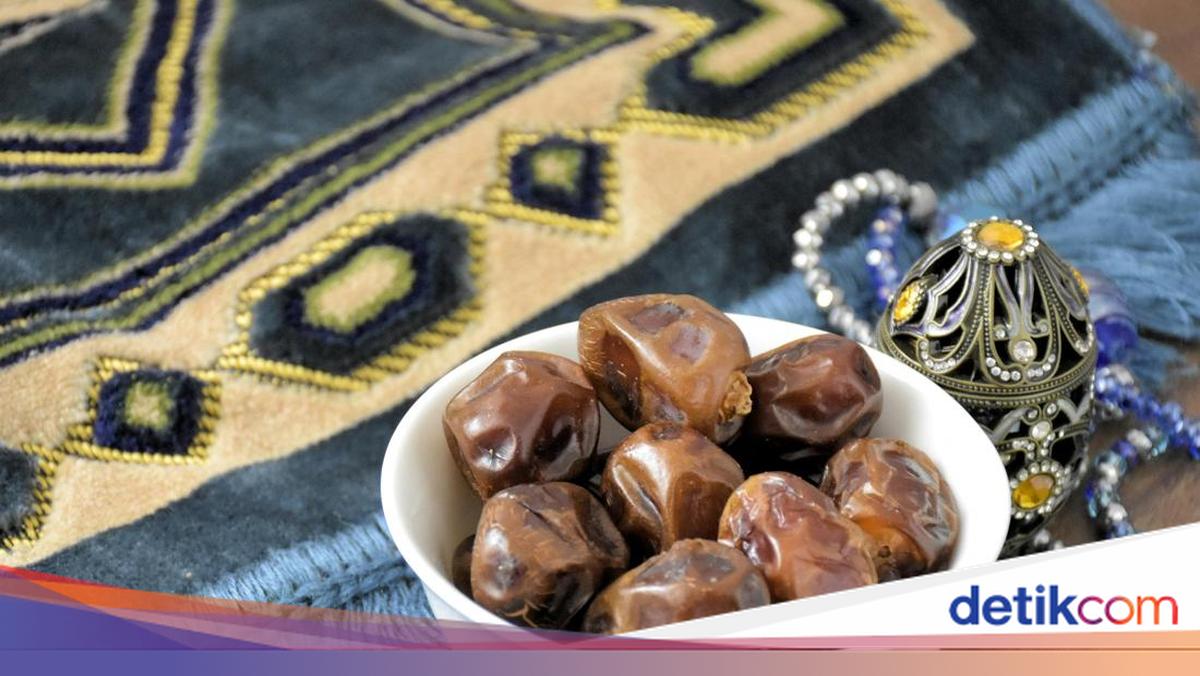
The best food to break the fast is fresh dates. If unavailable, dried dates may be used. As a last option, drink water. After breaking the fast, do not forget to make dua.
From the book Kumpulan Doa dari Al-Quran dan Hadits by Syaikh Sa’id bin Wahf al-Qahthani, the dua for breaking the fast is:
ذَهَبَ الظَّمَأُ وَابْتَلَّتِ الْعُرُوْقُ وَثَبَتَ الْأَجْرُ إِنْشَاءَ الله
Arab Latin: Żahabaẓ-ẓamā’u wabtallatil-’urūqu wa ṡabatal-ajru insyā’allāh.
Arti: “The thirst has gone, the veins have become moist, and the reward will remain, God willing.”