
Intelligence Expert Praises Prabowo's Firmness in Handling Three Corruption Cases
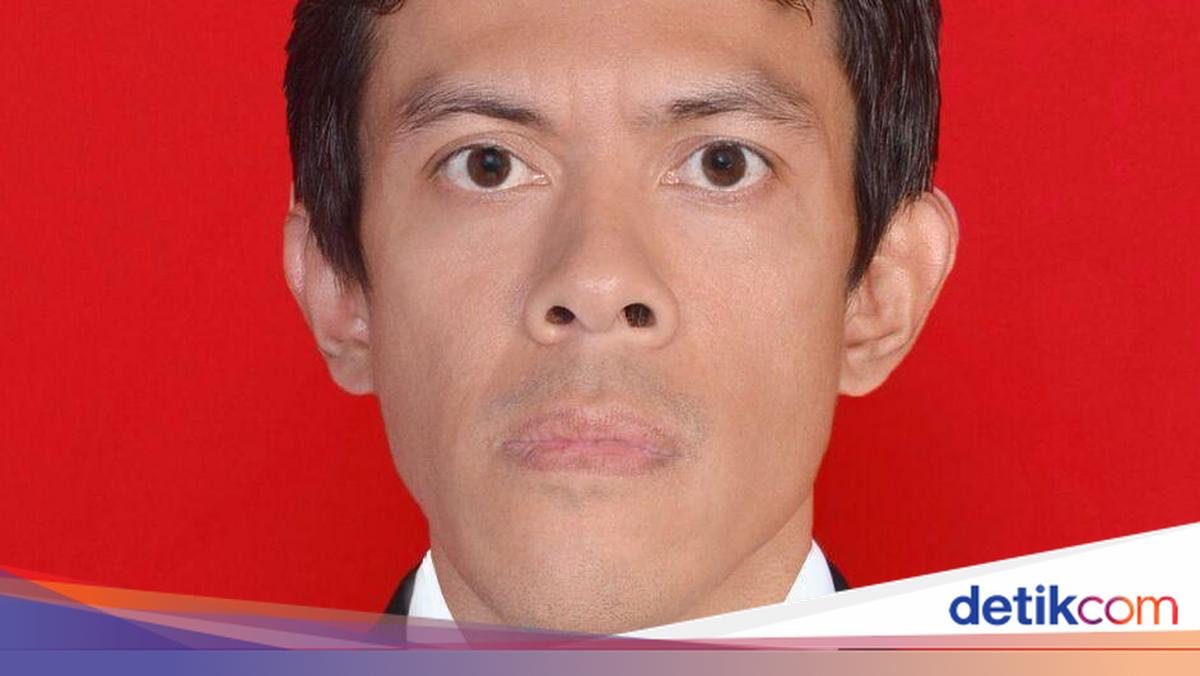
Intelligence and national security expert Stanislaus Riyanta has expressed support for President Prabowo Subianto’s commitment to eradicating corruption firmly and without discrimination. He believes this approach is crucial for safeguarding national resilience, which he says is increasingly threatened by corrupt practices within law enforcement agencies. The lecturer in National Resilience Studies at the University of Indonesia’s Postgraduate School of Sustainable Development stressed that corruption cannot be viewed as an ordinary criminal act, but rather as an extraordinary crime that erodes social justice and hinders sustainable development. He assessed that national resilience is determined not only by military strength but also by the integrity of law enforcement institutions. “When corruption infiltrates the heart of law enforcement institutions, which are supposed to be the last bastion of justice, then national resilience is in a state of red alert,” Stanislaus said in a statement on Sunday. He also highlighted the case of Febrie Adriansyah, the former Junior Attorney General for Special Crimes, who is implicated in three corruption cases involving coal, ASABRI, and Krakatau Steel. He stated that if allegations of abuse of power involve officials in strategic positions within law enforcement, the impact is not only legal but also erodes public trust in the judicial system, leaving the people confused about where to seek justice. “If an official holding the highest prosecutorial authority is indicated to be corrupt, the impact is far more destructive because it confuses the people about where to lodge their complaints for justice. This creates legal uncertainty that can deter investment and damage the nation’s social capital,” he said. Stanislaus also appreciated the philosophy once conveyed by Prabowo that ‘the fish rots from the head’. He believes this philosophy is relevant to the need for comprehensive reform starting from high-ranking officials in law enforcement. He views academic support for this measure as a form of strategic oversight of the law enforcement reform agenda, not merely political support. Stanislaus stressed that no party should be immune to the law and that legal processes must be conducted transparently. “In an era of law enforcement with integrity, no one should be above the law,” he asserted. He also linked the anti-corruption drive to the Sustainable Development Goals, particularly Goal 16 on peace, justice, and strong institutions. He argued that corruption in the legal sector not only harms state finances but also opens the door to other crimes, such as illegal mining and deforestation. Stanislaus proposed several strategic measures to support the President’s commitment, including a thorough internal clean-up through the formation of an independent external oversight team to transparently audit the wealth and track records of high-ranking law enforcement officials. He also urged the strengthening of a secure whistleblower system to break the misguided esprit de corps culture, merit-based career reform, improved welfare for officers, and the imposition of strict sanctions, including impoverishment, for officials proven corrupt. He argued that sectoral egos among law enforcement agencies must be eliminated so that the Corruption Eradication Commission, the Attorney General’s Office, and the National Police can work synergistically with a unified vision for eradicating corruption. He stated that Indonesia is facing a major test in strengthening national resilience through law enforcement reform, and that President Prabowo’s firmness is a crucial momentum to build a clean, high-integrity legal system capable of restoring public trust in state institutions.