
Intellectual property can serve as capital for MSMEs
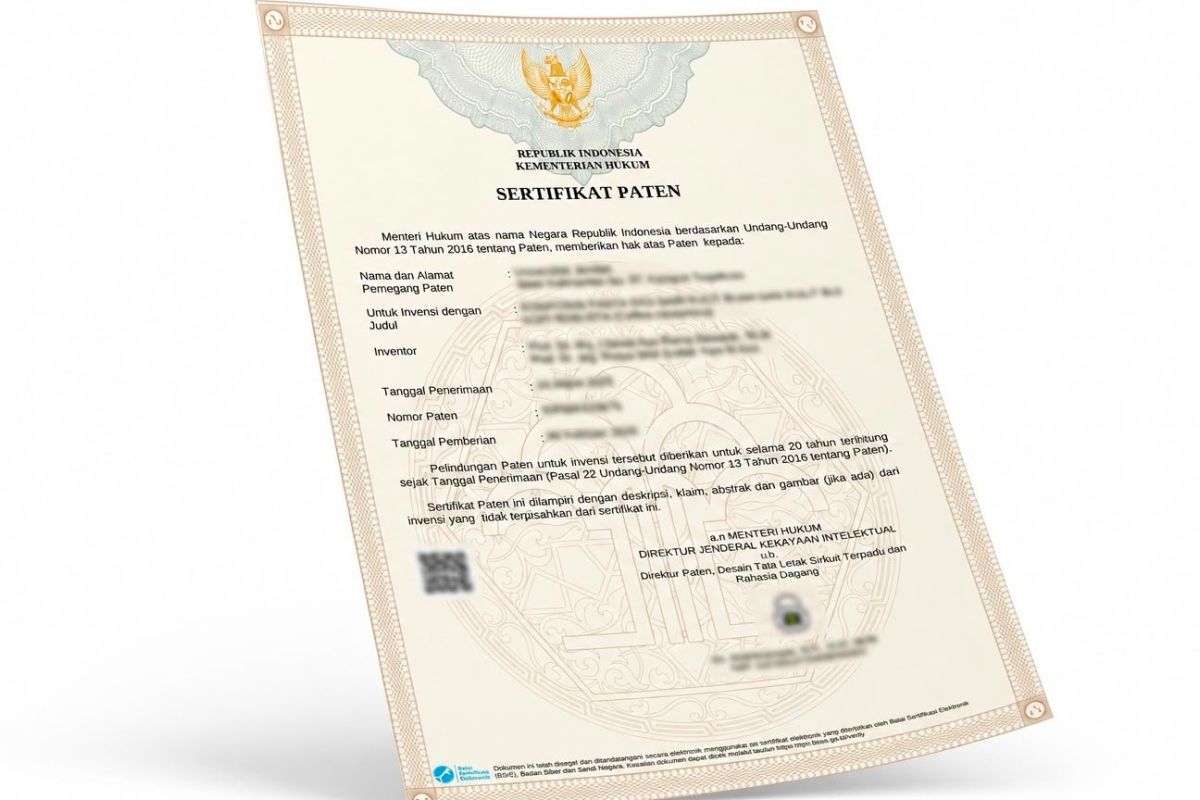
The core message is that the ideas, creativity, innovation, and reputation built by entrepreneurs possess significant economic value.
Jakarta (ANTARA) - The government is preparing a financing ceiling of Rp10 trillion for the year 2026 to facilitate intellectual property-based financing for micro, small, and medium enterprises (MSMEs), particularly those operating within the creative economy sector.
This policy represents a significant development in how business assets are perceived. Traditionally, access to MSME financing has relied heavily on tangible assets such as land, buildings, or vehicles.
Through intellectual property-based financing, intangible assets such as trademarks, copyrights, and patents are beginning to be positioned as part of economic wealth that can support access to funding.
The government has emphasised that the financing ceiling for intellectual property-based credit has been set at Rp10 trillion.
This scheme is the result of a collaboration between the Ministry of Law, the Ministry of MSMEs, and the Ministry of Creative Economy, involving adjustments to financial services sector regulations to ensure funds can be distributed through the banking system, including state-owned banks (Himbara).
Intellectual property certificates, such as copyrights, trademarks, and patents, can serve as collateral when seeking financing.
However, the Rp10 trillion figure must be understood correctly. This value represents a financing or credit ceiling, rather than a grant distributed to MSMEs, and it is not funds managed entirely by the Ministry of Law.
The government, through financial institutions, will disburse financing to business actors who meet the necessary requirements. Thus, this policy is essentially an effort to expand the range of financing sources by leveraging the economic value of intellectual property.
Legality of capital.