
Intel Officially Joins Terafab, Elon Musk's Giant AI Chip Project
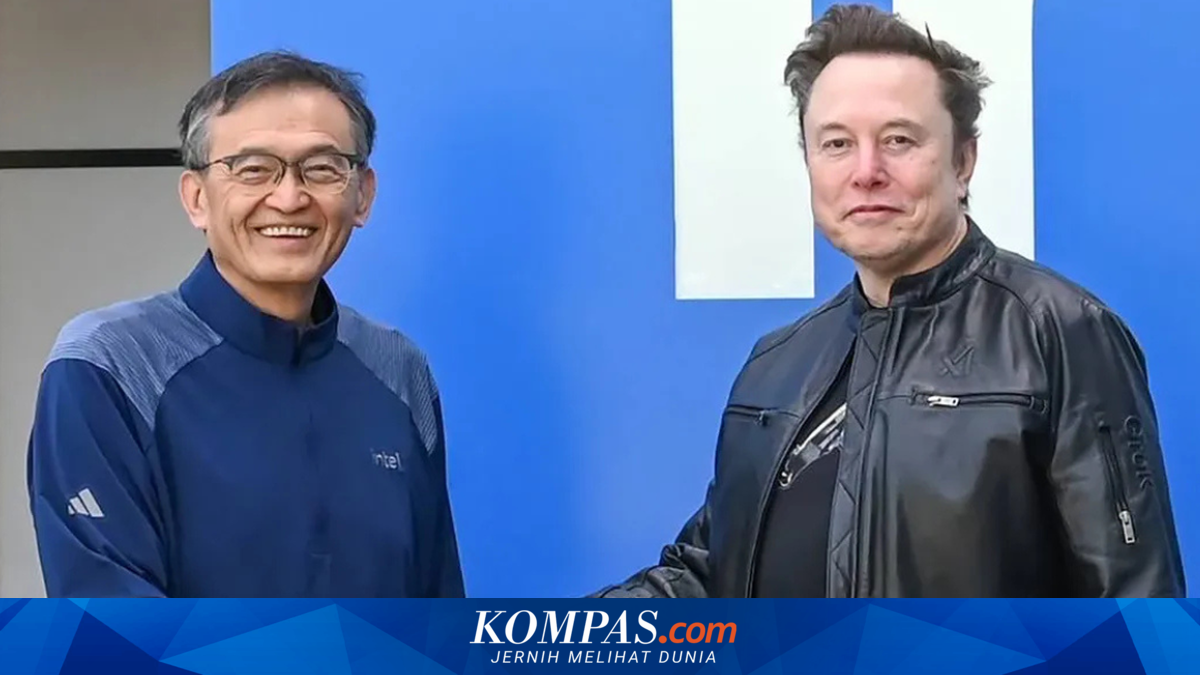
Intel has officially joined Terafab, the megaproyect for artificial intelligence (AI) chips initiated by Elon Musk, the founder of X (formerly Twitter). In an official statement on 7 April 2026 on the X platform, Intel expressed pride in joining the initiative alongside Tesla, SpaceX, and xAI. Intel stated that its contribution to the Terafab megaproyect would involve transforming, developing, and perfecting silicon fabrication technology. Its capabilities in designing, producing, and packaging high-performance chips on a large scale will also be utilised in this project. One of the most highlighted aspects is supporting Terafab’s target of generating up to one terawatt of computing capacity per year for AI and robotics needs. This capability is a key factor in the project, as producing AI chips in large quantities still requires complex and standardised manufacturing processes. This partnership arrives at a time when Intel is working to restore its reputation in cutting-edge technology manufacturing, after previously facing various challenges. Intel’s involvement in this mega project offers both opportunities and risks, as its success will heavily depend on execution in one of the most aggressive AI infrastructure bets currently underway. Stephen Sopko, an analyst at HyperFrame Research, assessed that the collaboration between Intel and the Terafab megaproyect provides a clearer picture of how Elon Musk will realise his vision. “This answers many questions about how Musk will dramatically accelerate semiconductor production,” said Sopko, as quoted by KompasTekno from DataCenterKnowledge. “I think this will have a positive impact on the company and the industry,” Sopko added. Terafab itself is an ambitious chip-making project by Elon Musk, newly announced in March. The project aims to deliver AI computing capacity on a scale never seen before. It centres on plans to build an advanced fabrication facility in Austin, Texas, which will produce large quantities of AI chips for various needs, from autonomous vehicles and humanoid robots to space-based computing systems. In a separate post on its official X account, SpaceX described Terafab as the “most epic chip-making effort,” combining logic, memory, and advanced packaging technology in one location.