
Integrated Ziswaf Fund Management Attracts Attention of Japanese Dai
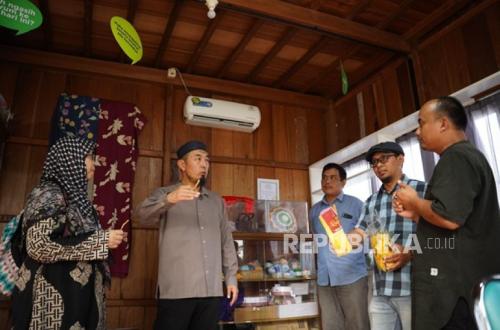
The integrated management model of Zakat, Infaq, Sadaqah, and Waqf (Ziswaf) funds, which focuses not only on social assistance but also on building a community empowerment ecosystem, has attracted the attention of a Japanese dai, Dr. Kyoichiro Sugimoto. He remarked that this approach demonstrates how community funds can be managed sustainably to improve public welfare. Sugimoto made these observations during a visit to the integrated Zona Madina area managed by Dompet Dhuafa in Parung, Bogor, on Friday (26/6/2026). The visit was the first agenda in his series of preaching tours in Indonesia, which runs until 12 July 2026. The Chairman of the Chiba Islamic Cultural Center and the Japan Islamic Alliance, who is also a translator of the Quran into Japanese, reviewed various empowerment programmes developed through Ziswaf funds. In the area, he witnessed the integration of religious outreach, economic, health, education, and socio-cultural programmes within a single ecosystem. “I am amazed and very inspired to see how community funds (Ziswaf) can be managed in such a way, integrating all aspects of life from worship, health, economy, to education. This is a very interesting preaching path that touches many aspects,” said Sugimoto. At Zona Madina, the management of Ziswaf funds is realised through various programmes, including a preaching centre, community business development through Kopi Masyarakat Berdaya (MADAYA), the UMKM House, and Teras Madina, as well as health services through the Integrated Healthy Home, educational facilities such as the STIM Budi Bakti Campus and SMART Ekselensia Indonesia School, and a socio-cultural development space through the Kampung Djampang Silat Training Hall. The previous day, Thursday (25/6/2026), Sugimoto visited the Dompet Dhuafa headquarters at the Philanthropy Building in South Jakarta. During the meeting, Dompet Dhuafa officials and Sugimoto discussed opportunities to strengthen international preaching cooperation, particularly to address the challenges of developing Islamic outreach in Japan. The series of visits is expected to mark the beginning of collaboration in developing cross-border education and preaching programmes. This effort is considered important to strengthen the development of the young Muslim generation, especially in countries with relatively small Muslim populations like Japan.