
Integrated QRIS Drives Efficiency for SMEs
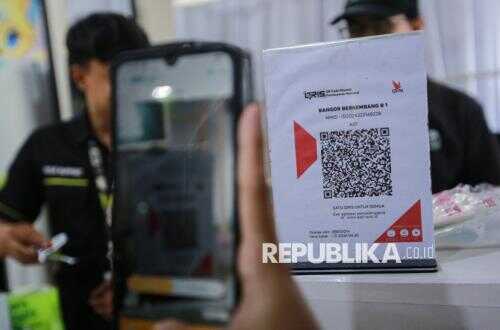
JAKARTA — Proprietors of small and medium-sized enterprises (SMEs) increasingly require a system capable of integrating digital payments and operational record-keeping on a single platform. Growing adoption of QRIS (Quick Response Code Indonesian Standard) is driving the need for applications that not only record transactions but also assist with daily business management more efficiently.
Addressing this need, InterActive Group has launched a QRIS SuperApp for merchants using InterActive QRIS services. The application enables real-time QRIS transaction checking, QRIS registration, and the downloading of both dynamic and static QR codes according to operational requirements.
Beyond payment monitoring, the application is equipped with voice notifications for transaction amounts as instant confirmation. Additional features include a cashier application to help structure sales record-keeping more systematically, whilst an employee attendance function supports digital monitoring of staff presence within a single integrated system.
The company has also introduced a QRIS affiliate programme to expand its merchant network. The integration of payment and operational systems on one platform is considered capable of reducing potential record-keeping errors whilst providing transaction data that can be utilised as a foundation for business decision-making.
CEO of INFINITE Fajar Eri Dianto stated that InterActive QRIS SuperApp is designed to provide convenience for merchants, not only in accepting QRIS payments but also in managing daily business operations. “We believe that integrated solutions like this will accelerate digital transformation among business operators and drive growth in the national digital economy,” Fajar said on Friday (28 February 2026).
InterActive Group stated that the development of this integrated solution forms part of its efforts to strengthen an inclusive digital payments ecosystem. The company, which was established in 2001, has experience supporting digital transformation across various sectors, including B2B, B2G, and B2C.
Going forward, the effectiveness of such integrated applications will depend on the level of merchant adoption and the ability of business operators to harness operational data to improve competitiveness amid the acceleration of the digital economy.