
Integrated National Schools to Combine National and Local Curricula
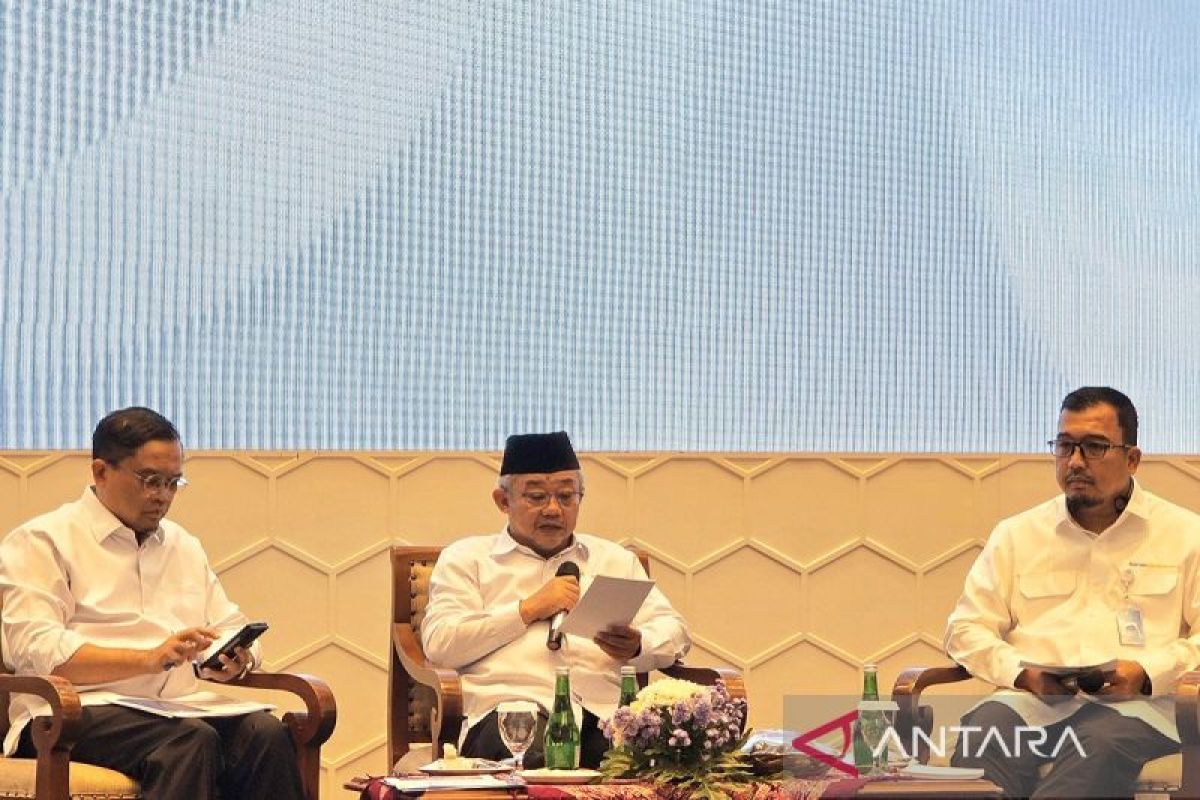
The Ministry of Primary and Secondary Education (Kemendikdasmen) is set to combine the national curriculum as a foundation with school-specific curricula and locally contextual curricula at Integrated National Schools. Minister of Primary and Secondary Education Abdul Mu’ti stated that the Integrated National School curriculum is designed to strengthen students’ abilities in foreign languages, mastery of digital technology, and global insight, while maintaining character and being rooted in the noble values and culture of the Indonesian nation. “Learning at Integrated National Schools uses a national curriculum enriched with foreign languages, the use of digital technology, global insight, local culture and wisdom, and regional potential. We want children to have competencies relevant to the times, yet remain of good character and rooted in the noble values and culture of the Indonesian nation,” said Minister Mu’ti in Central Jakarta on Tuesday. He further explained that Integrated National Schools will continue to use the national curriculum as a foundation, so that national standards, direction, and learning outcomes form the basis of teaching and learning activities by adopting a deep learning approach. This national curriculum will be strengthened with a school-specific curriculum containing character, vision, and flagship programmes according to the needs of students and schools, including Science, Technology, Engineering, Arts, Mathematics, Sports (STEAMS), leadership, and foreign languages. In addition, Integrated National Schools will be based on digitalisation of learning and global enrichment. “We do not want SNT to become a separate space of progress from other schools, but rather SNT should act as a catalyst for other schools in its vicinity and SNT must be a partner for schools around it,” said Mu’ti. For information, Kemendikdasmen is ready to build and operate Integrated National Schools at the junior and senior high school levels in 17 districts and cities this year. The ministry is preparing adequate transition classes, which will utilise various rooms in the ministry’s Technical Implementation Units and other spaces provided by local governments during the construction of new SNT buildings.