
Insurers in Policy Guarantee Programme Will Have to Pay Contributions
Jakarta (ANTARA) – The Financial Services Authority (OJK) said that insurers participating in the Policy Guarantee Programme (PPP) will be required to pay an initial contribution and regular contributions.
The contribution amounts have not yet been determined, as regulators are still discussing them.
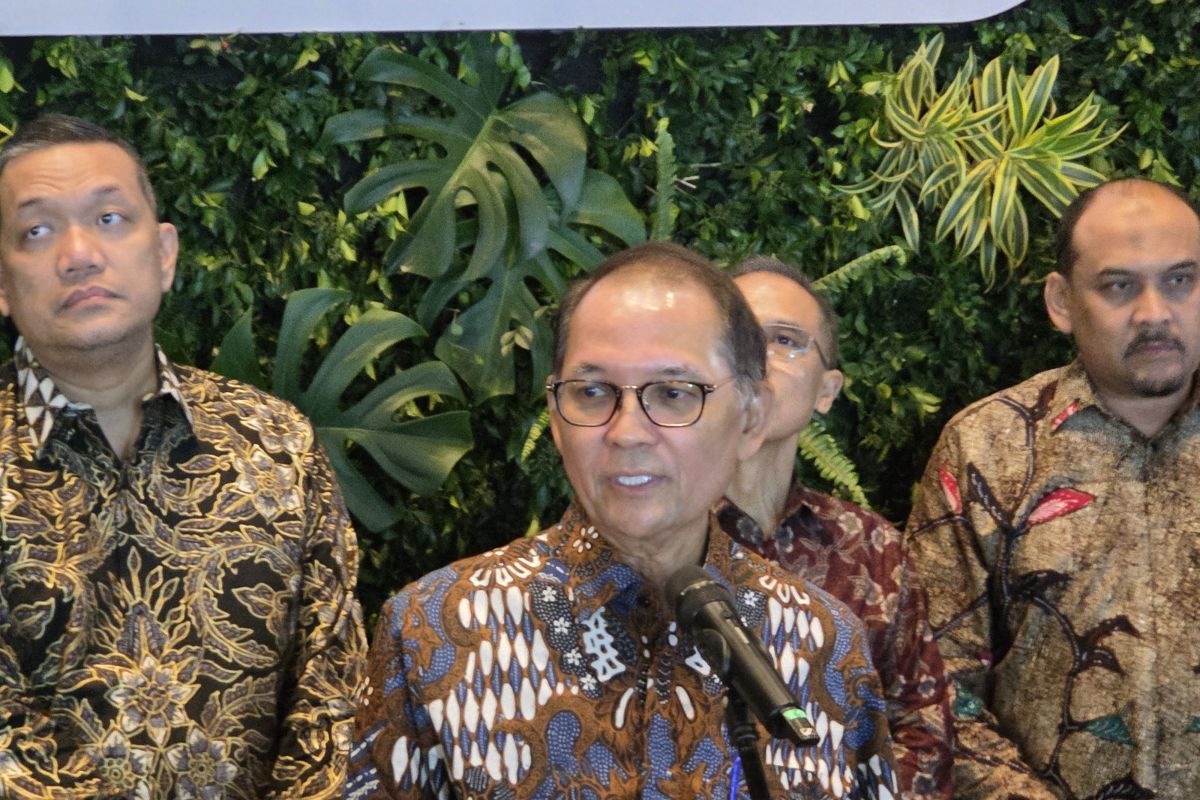
“There will be an initial contribution and regular contributions for insurance companies participating in the Policy Guarantee Programme,” Ogi Prastomiyono, OJK’s Chief Executive for Insurance, Guarantee and Pension Fund Supervision, said at a press conference in Jakarta on Thursday.
Ogi explained that implementation rules for the PPP are being drafted jointly with the Ministry of Finance and the Indonesia Deposit Insurance Corporation (LPS). The regulations are expected to take the form of a Government Regulation (PP), an OJK Regulation (POJK) and an LPS Regulation (PLPS).
In addition to the contribution amounts, regulators are still discussing the criteria insurers must meet to join the programme. Ogi said he hoped all insurance companies would participate so that the public would feel more secure.
However, the implementation mechanism is still under review, including whether insurers will be enrolled all at once or in stages.
“We hope that all insurance companies will participate in the policy guarantee programme. The question is whether they will join from the outset or whether participation will be phased in,” he said.
Ogi disclosed one proposed requirement: insurers would need to be in sound condition, with a Risk-Based Capital (RBC) ratio above 120 per cent.
The proposed maximum guarantee is Rp500 million per policy for each group of policyholders. Ogi stressed that this figure remains a proposal and is not final.
“This is only a proposal, not final: Rp500 million per policy for each group of policyholders, because one person can hold more than one policy,” he said.
Under the Financial Sector Development and Strengthening Law (P2SK), the PPP is due to take effect no later than January 2028. Ogi said, however, that the programme could be launched sooner, potentially in 2027.