
Insurance Industry Starts Feeling Pressure from Iran Conflict
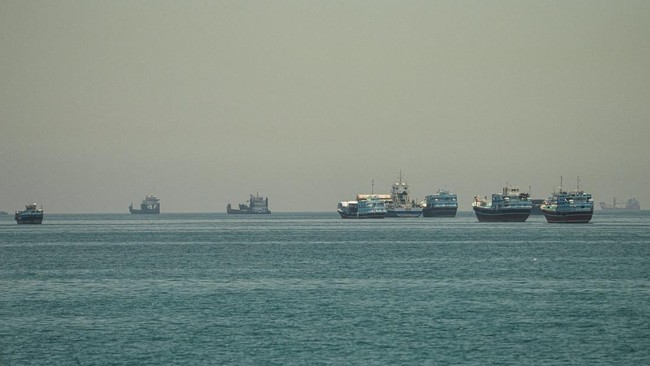
Jakarta, CNBC Indonesia - The prolonged conflict in the Middle East is starting to exert significant pressure on the global insurance industry. While insurance is designed to anticipate worst-case scenarios, recent events over the past three months have proven difficult to absorb. The Iran conflict has caused turmoil in the Middle East. Iran’s conflict has not only shaken energy markets and global trade routes but also triggered a surge in protection costs for assets, ships, and strategic infrastructure in the Gulf region. Insurance companies providing war and political violence coverage now face one of their toughest periods in decades. Insurance premiums have surged sharply as threats of missile attacks, sabotage, and business disruption rise. Insurance costs for some assets have risen 40 times the pre-war rates. Fergus Critchley, head of Terrorism and Political Violence at WTW, an insurance brokerage firm, said part of this is due to previously low premiums. Many energy firms, port operators, and multinational corporations are seeking additional coverage to mitigate physical damage and operational disruptions. The greatest pressure is felt by insurers focusing on political violence coverage. Such policies typically cover war, terrorism, civil unrest, and sabotage. A surge in demand amid rising risks has rapidly transformed the market. Claims are estimated to reach billions of dollars, mostly from energy facility damage and business interruptions due to geopolitical instability in the Gulf. For an industry generating around US$1.2 billion in annual premium income, losses could wipe out earnings for years. Many insurance contracts include compensation for lost income due to business interruptions. This has led insurers to tighten coverage terms. New policies are now more expensive with narrower coverage compared to pre-conflict times. Oleksii Omelianchuk of FortuneGuard, a conflict risk assessment firm, highlighted that insurers failing to account for war risks now are unlikely to repeat the same mistake. They typically negotiate reinsurance contracts annually on 1 January. When this date arrives in 2027, reinsurers may reduce coverage and increase prices, as insurers are doing now. Beyond property insurance, the marine sector is also under heavy pressure. Premiums for ships crossing the Strait of Hormuz have spiked due to heightened threats to this strategic shipping lane, a vital artery for global oil trade. For vessels attempting to traverse the Strait, protection premiums now range from 10 to 20 times pre-war rates. So far, losses in marine war insurance remain significantly lower than those in political violence insurance. Stale Hansen, CEO of Skuld, one of the marine insurers, said even the total loss of a single ship would not be a ‘game changer’ for the market. Oil tankers are not overly expensive, typically costing between US$80 million and US$120 million each. By comparison, marine insurers collect around US$40 billion in premiums annually. Although marine insurance losses have not yet matched those in political violence, industry players are concerned if the conflict persists. Risks of shipping lane closures or ships trapped in conflict zones could trigger much larger claims. Several marine policies include ‘blocking and trapping’ clauses, obliging compensation if a vessel is trapped in a conflict zone for too long and deemed inoperable. If the Strait of Hormuz remains closed for an extended period, this provision could apply to around 2,000 trapped vessels. Therefore, insurers are urgently seeking programmes to safely evacuate these ships.