
Insurance Industry Faces Shifting Risk Profiles Due to Middle East Conflict
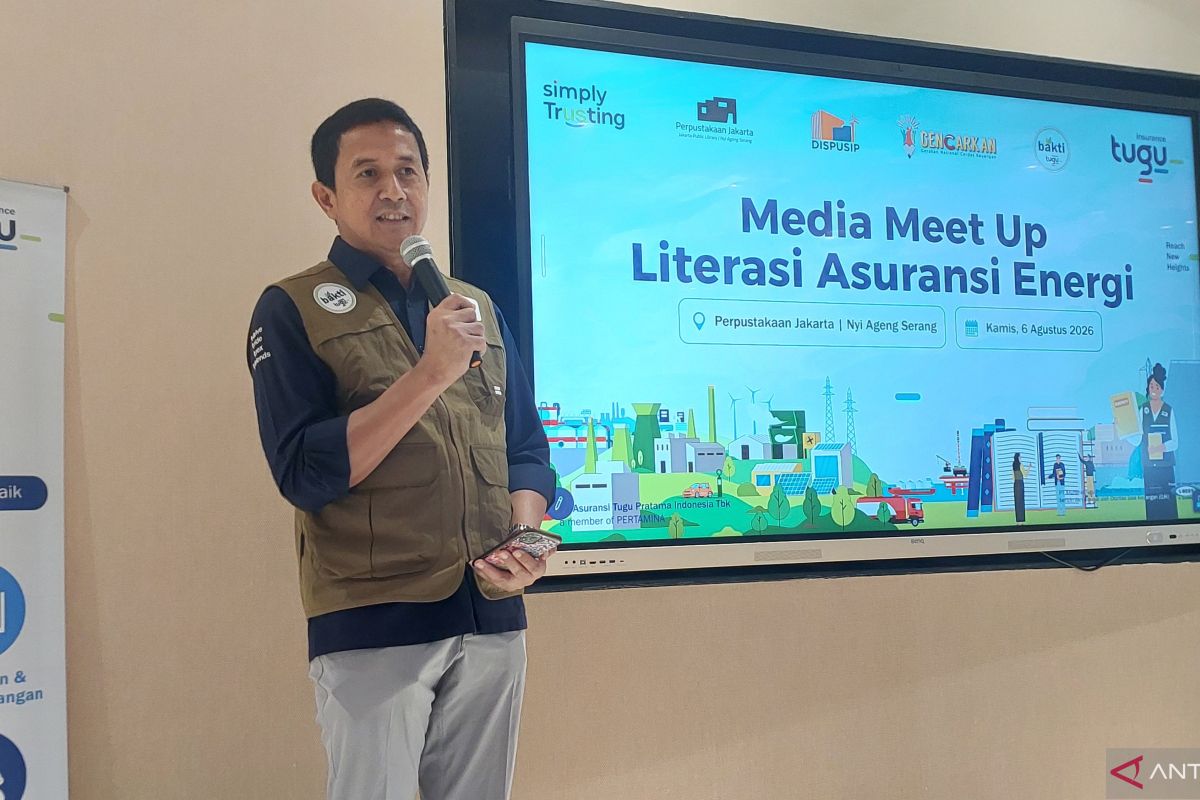
President Director of Tugu Insurance Adi Pramana has said the insurance industry is facing a changing risk profile in the energy sector amid rising oil prices triggered by the conflict in the Middle East.
“When oil prices rise, producers will try to maximise production. Upstream activity becomes higher, so the operational risks that insurance companies must manage also increase,” Adi said at an Energy Insurance Literacy event in Jakarta on Thursday.
Adi said one of the biggest challenges stems from geopolitical uncertainty, including the potential for disruption in the Strait of Hormuz, which serves as a distribution route for around 20 percent of the world’s energy supply.
According to him, if disruption occurs along that route, global oil supply will be affected and trigger a rise in energy prices. Such conditions encourage oil and gas companies to increase production to take advantage of high oil prices.
Besides geopolitical factors, climate change is also becoming a new challenge for the energy insurance industry. According to Adi, shifting weather patterns mean companies can no longer fully rely on historical data when estimating potential future losses.
He said that in the insurance business, companies must balance the value of insured assets against estimated claim payment liabilities, or predicted liability. However, climate change is making risk patterns increasingly difficult to predict.
“In the past, the rainy season and dry season could be relatively well predicted; now the patterns are shifting. This means risk calculation models must also change,” he said.
He added that the rise in average temperatures from year to year increases the potential for disasters such as forest and land fires, extreme weather, and disruption to energy infrastructure. These conditions could increase both the frequency and the value of losses that insurance companies must bear.
He explained that the increase in risk is particularly pronounced in the upstream oil and gas sector, which includes exploration and drilling activities. Compared with the downstream sector, upstream risks are considered far greater because a single incident can trigger cascading damage and require a long recovery period.
He assessed that the ability of insurance companies to manage risk will be an important factor in maintaining the investment climate in the energy sector while strengthening national energy security amid increasingly dynamic geopolitical challenges and climate change.
“Our role is not only to pay claims when losses occur, but to help companies identify and mitigate risks from the outset so that operations remain safe and sustainable,” he said.