
Institutional Foundations for Human Rights Strengthened
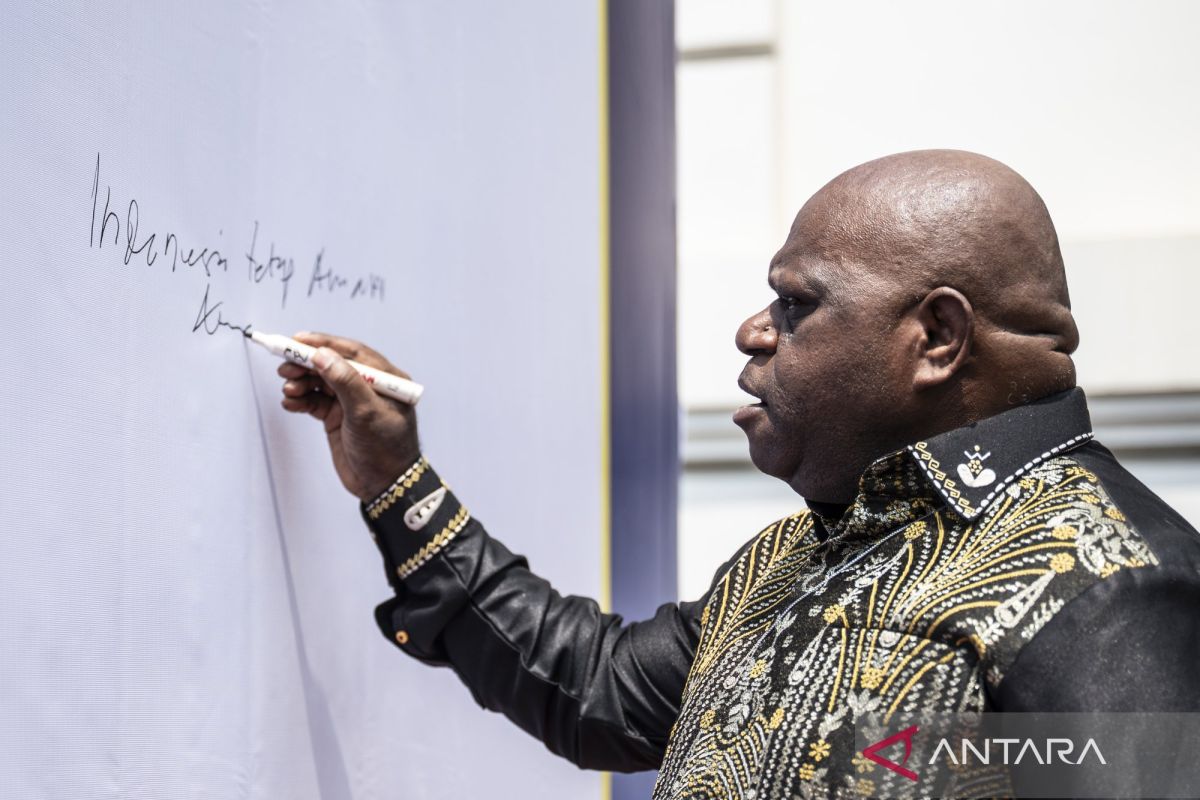
As the Prabowo-Gibran administration enters its third year, its greatest challenge is ensuring that the institutional and regulatory foundations it has built deliver tangible benefits felt widely by the public.
Jakarta (ANTARA) - As of 20 October 2026, two years into the leadership of President Prabowo Subianto and Vice-President Gibran Rakabuming Raka, efforts to strengthen human rights (HAM) have recorded a number of tangible advances.
These efforts have included establishing a dedicated ministry, updating regulations, expanding protection services and increasing the involvement of the public and business community.
The strengthened institutions and legal framework underscore the government’s commitment to making human rights a foundation of state administration and national development.
The measures are expected to widen public access to justice while improving the effectiveness of resolving human rights issues in Indonesia.
Dedicated ministry and expanded programmes
One of the Prabowo-Gibran administration’s strategic steps has been to establish the Ministry of Human Rights (KemenHAM) as a separate cabinet ministry.
Willy Aditya, chair of Commission XIII of the House of Representatives (DPR RI), said at a working meeting with the ministry that Indonesia was the world’s third country to have a dedicated human rights ministry, after Brazil and Pakistan.
Parliamentary support for strengthening the institution is reflected in its approval of a 2027 budget allocation of Rp953.1 billion for KemenHAM. Human Rights Minister Natalius Pigai said the funding would focus on services for respecting, protecting, fulfilling, upholding and advancing human rights (P5HAM).
To extend programmes to grassroots communities, KemenHAM is recruiting 200 human rights facilitators to be assigned to villages and urban wards.
Public education is also being stepped up. Pigai said a human rights training session in North Sumatra had attracted 6,000 participants in a single event.
That figure exceeds Uruguay’s record of training 3,000 police officers in 2018. KemenHAM’s programme is currently being assessed by Guinness World Records, although no official recognition has yet been issued.
Alongside large-scale public education, KemenHAM is working with universities to strengthen human rights understanding among academics. One such initiative was the signing of memoranda of understanding (MoUs) to mainstream human rights with three universities in Banten.