
Insights into World Day Against Child Labour, 12 June 2026
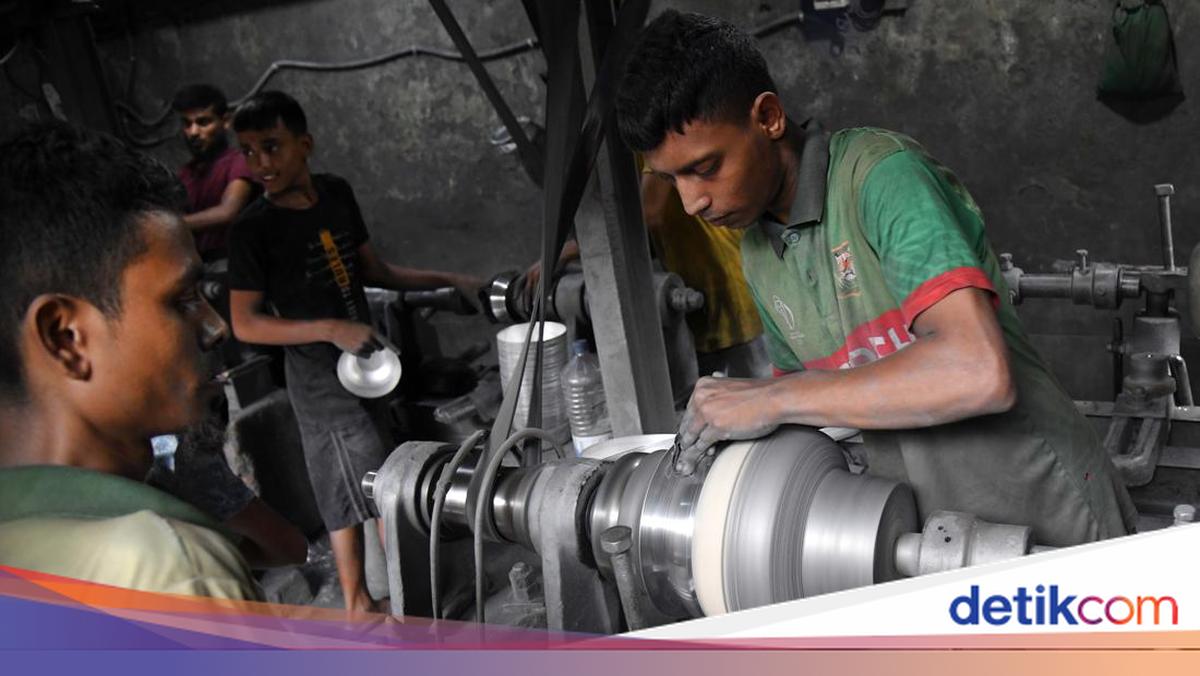
Every year on 12 June, the World Day Against Child Labour is observed, marking a global commitment to building a world free from child exploitation.
According to the United Nations, the International Labour Organization (ILO) launched this day in 2002 to focus international attention on the scale of child labour and the necessary actions to eliminate it. Each year, the date unites governments, employers’ and workers’ organisations, civil society, and millions of people worldwide to highlight the suffering of child labourers and the steps required to assist them.
It is important to note that not all work performed by children is classified as child labour that must be abolished. Participation by children or adolescents in work that does not affect their health, personal development, or education is generally considered positive. This includes activities such as helping parents at home, assisting in family businesses, or earning pocket money outside of school hours and during holidays. Such activities contribute to a child’s development and family well-being by providing skills and experience that prepare them for productive adult life.
Child labour, however, refers to work that is harmful and dangerous to children, violating both international and national laws. It can deprive children of the opportunity to attend school or force them to endure the double burden of both studying and working. The forms of child labour that must be eliminated include:
All forms of the worst forms of child labour, such as slavery or practices similar to slavery, the use of children for prostitution, or for illegal activities;
Work performed by children below the minimum legal age for such work, as defined by national legislation in accordance with international standards.
The worst forms of child labour involve children being enslaved, separated from their families, exposed to serious hazards and diseases, or left to fend for themselves on the streets of major cities, often at a very young age. Whether specific types of work are classified as ‘child labour’ depends on the child’s age, the type and hours of work, the working conditions, and the specific objectives of each nation.
Currently, approximately 218 million children are working worldwide, many of whom work full-time. They are unable to attend school and have little to no time to play. Many lack proper nutrition or adequate care, losing their opportunity to experience childhood. More than half are exposed to the worst forms of child labour, including hazardous environments, slavery, forced labour, illegal activities such as drug trafficking and prostitution, and involvement in armed conflict.
Under the slogan ‘Red card to child labour: Fair play for children, decent work for adults’, the 2026 World Day Against Child Labour campaign calls for strengthened actions in policies that prevent child labour and withdraw children from it. Key focus areas include quality education, universal social protection, decent work and adequate livelihoods for adults, stronger laws and enforcement, improved data and monitoring systems, and responsible action within the agricultural sector and global supply chains.