
Innovative financing must be placed within conservation framework, says deputy minister
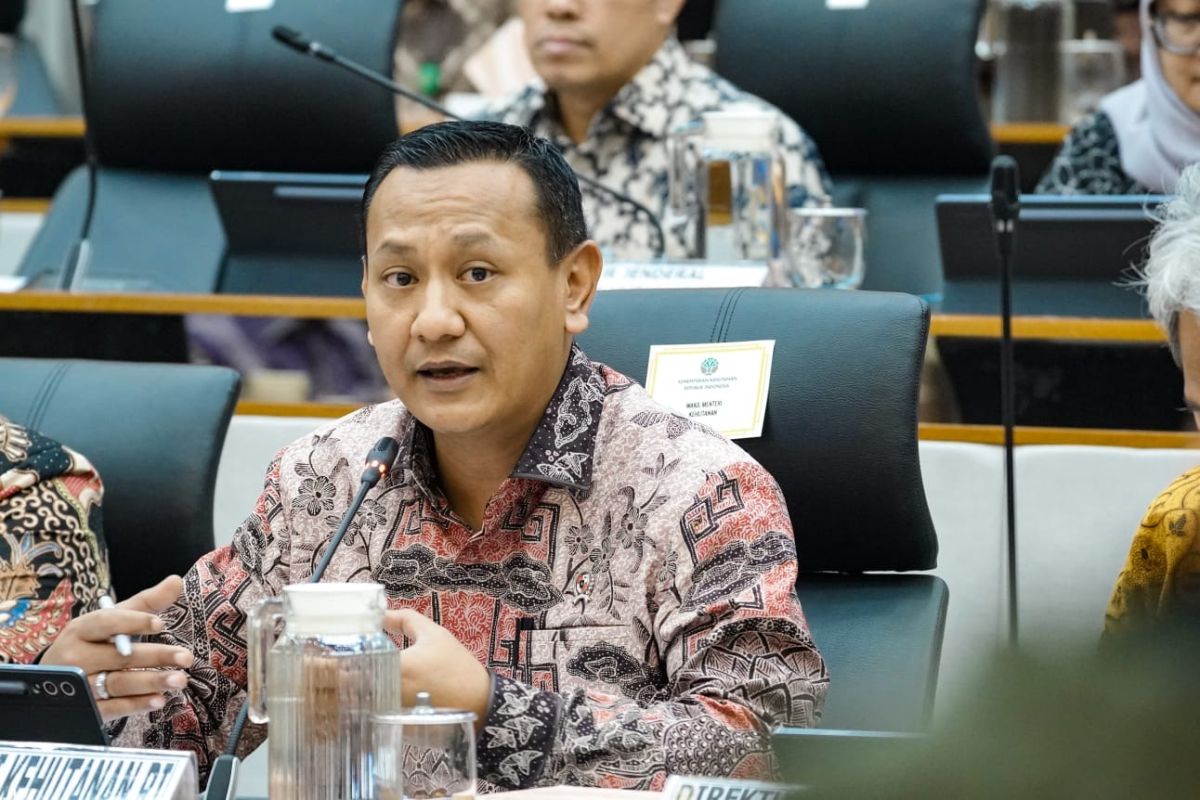
Jakarta - Deputy Minister of Forestry Rohmat Marzuki has stated that innovative financing must be placed within the main framework of conservation in Indonesia to maintain ecological functions and area protection. “Innovative financing must be placed within the main framework of conservation. This is not commercialisation of conservation areas. The ecological function of national parks remains the priority, while financing schemes, partnerships, environmental services, philanthropy, and market instruments must become supporting tools to strengthen the protection of areas and species,” said the deputy minister in a statement in Jakarta on Thursday. He added that the Indonesian government has formed a Task Force for Innovative Financing of National Park Management based on Presidential Decree Number 8 of 2026. The task force is directed to develop frameworks, strategies, and innovative financing instruments for the management of national parks and the conservation of iconic species for the 2026–2030 period. Among the national parks of concern are Komodo, Way Kambas, Ujung Kulon, Tanjung Puting, and Rinjani National Parks, as well as iconic species landscapes in Aceh and Jambi. A number of instruments currently being explored include carbon-based financing, foster sponsorship for wildlife, one company one species schemes, species bonds, payments for environmental services, and other forms of partnership. Deputy Minister Rohmat said all these instruments are directed at strengthening the management of conservation areas, species protection, the capacity of forest police and rangers, monitoring systems, and benefits for communities surrounding the areas, including indigenous legal communities. He also emphasised the importance of transparent and accountable governance in developing innovative financing. Every support from companies, philanthropic institutions, impact investors, and technical partners must be carried out openly, credibly, and in accordance with Indonesian laws and regulations. The government is also strengthening the Carbon Economic Value policy and carbon trading governance in the forestry sector as part of efforts to promote credible, measurable climate financing aligned with national priorities. Rohmat continued that these efforts are also in line with the agenda of Indonesia’s FOLU Net Sink 2030, which positions the forestry and land use sector as one of the backbones of greenhouse gas emission control. “Through strengthening conservation areas, protecting natural forests, rehabilitating forests and land, managing peatlands and mangroves, and involving communities in forest management, Indonesia demonstrates that climate commitments are translated into real action at the site level,” he said.