
Inmates at Kraksaan Detention Centre in Probolinggo receive batik training
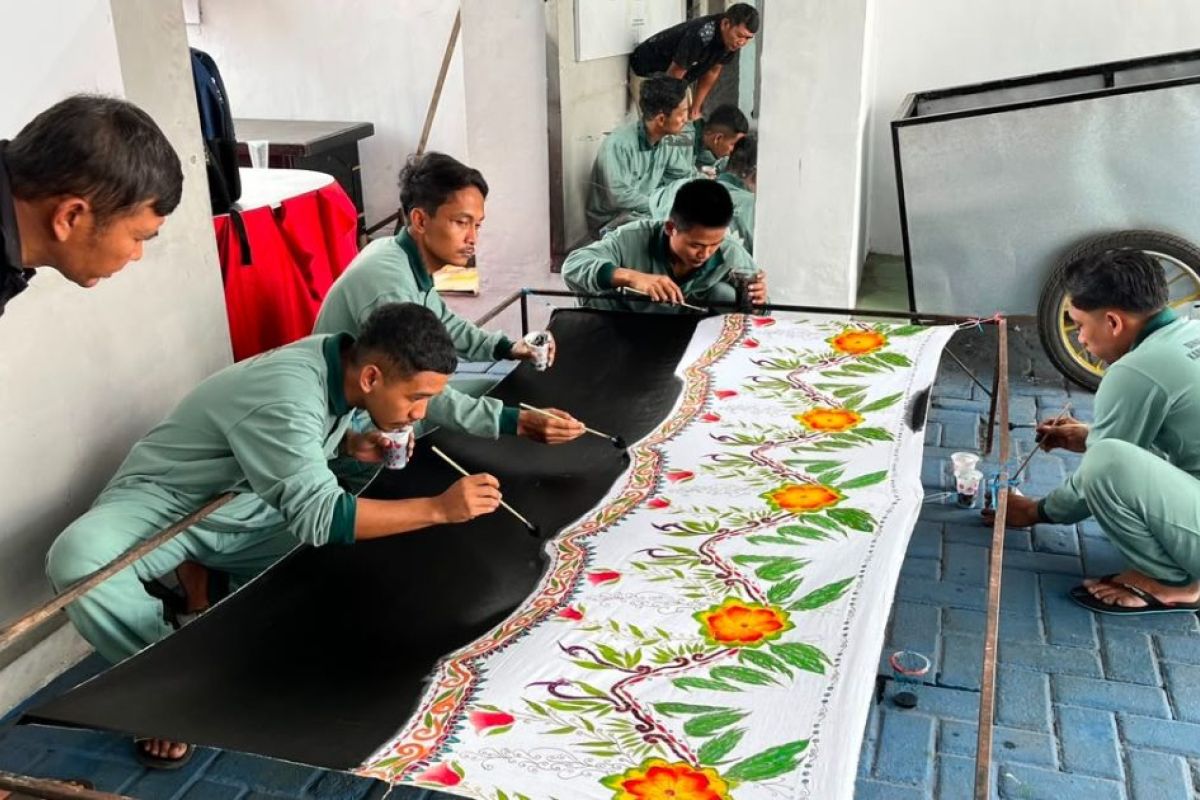
Inmates at the Class IIB Kraksaan State Detention Centre (Rutan) in Probolinggo Regency, East Java, received batik-making training on Monday as part of a self-reliance development programme designed to provide practical skills.
“The inmates were very enthusiastic about the activity, and the batik skills are expected to serve as a positive asset for them when they return to society,” said Galih Setiyo Nugroho, Head of the Class IIB Kraksaan Detention Centre.
The inmates were given the opportunity to learn about and practise batik-making skills as part of a process to develop creativity and productivity.
“This training is an important part of the inmates’ rehabilitation process. Batik training not only provides new skills for the inmates, but also serves as a space to cultivate creativity, patience and a spirit of self-reliance,” he said.
According to him, the skills provided are expected not to stop while the inmates are undergoing rehabilitation at Kraksaan Detention Centre, but they are encouraged to continue developing these abilities so they can be used as an asset after returning to society.
“We hope the skills acquired can continue to be developed and become a positive asset when they return to society,” he said.
He explained that the collaboration between the Probolinggo Regency Manpower Office (Disnaker) and Kraksaan Detention Centre represents a form of synergy in improving the quality of self-reliance development for inmates. Through the training, inmates not only acquire technical batik-making skills, but are also trained to build patience, creativity, productivity and self-confidence.
Meanwhile, Head of the Probolinggo Regency Manpower Office, Saniwar, said the batik training is part of the local government’s efforts to provide skills that inmates can use to develop self-reliance.
“Work skills are an important asset for inmates so they have productive capabilities when they eventually return to their families and communities,” he said.
He said batik-making has potential for development because it requires not only technical skills but also creativity in producing motifs and products with economic value.
Through this collaboration, the rehabilitation programme is expected to provide tangible benefits while opening opportunities for inmates to become more independent and productive after completing their sentences.