
Inkoppas Urges DKI Jakarta to Consider Economic Impact of Smoke-Free Zone Regulation
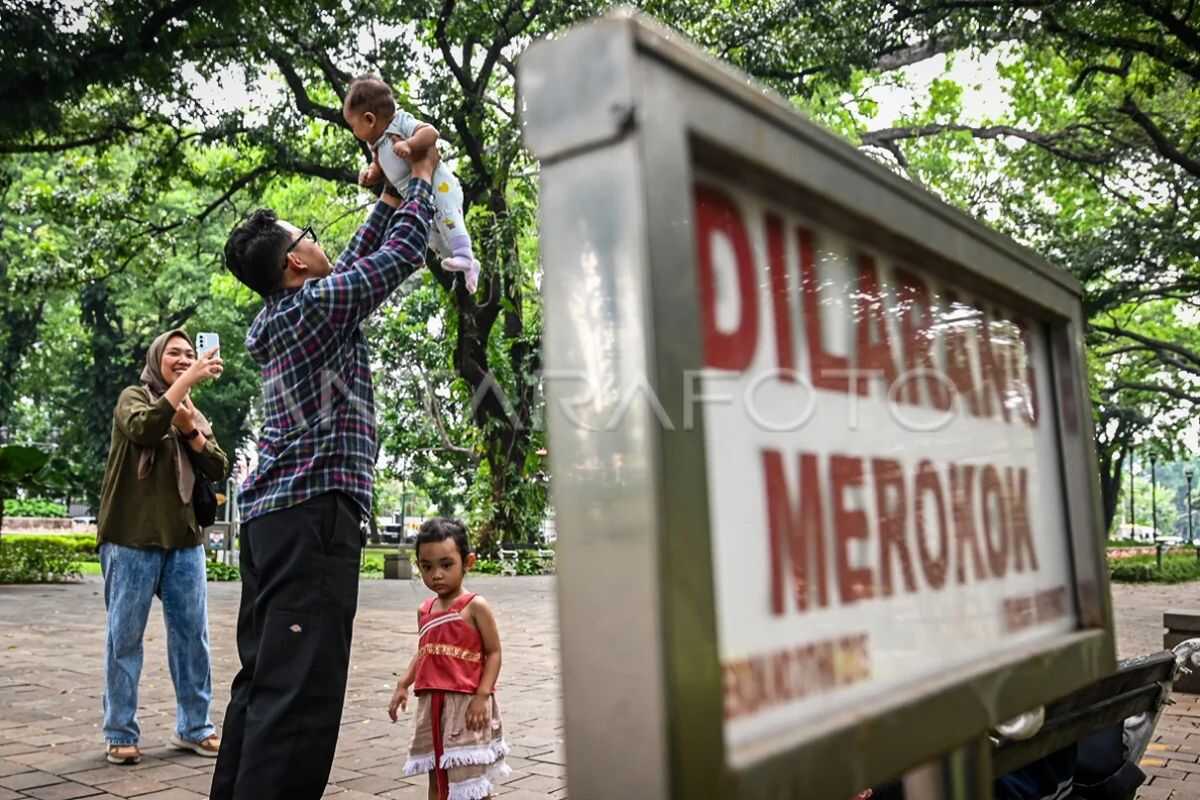
Jakarta (ANTARA) - The Indonesian Market Traders’ Cooperative Federation (Inkoppas) has called on Jakarta Governor Pramono Anung Wibowo to carefully consider every provision in Regional Regulation No. 7 of 2025 on Smoke-Free Zones (Perda KTR) before issuing the corresponding Governor’s Regulation (Pergub).
Inkoppas Secretary General Andrian Lamehumar said several articles relating to sales restrictions and prohibitions would significantly affect economic circulation.
“A considerable number of small goods traders, MSMEs and market cooperatives that have grown and become part of traditional markets also sell cigarettes,” Andrian said in Jakarta on Tuesday.
According to him, if implementation of the Smoke-Free Zone regulation is forced through with bans on product display, advertising and promotion, it would have a direct impact on traders.
Beyond that, consumer numbers would decline because traders would be unable to display products or inform customers about what they sell.
To that end, Andrian urged that the implementation directives for the regulation must be clear. “The Smoke-Free Zone regulation must not create economic impacts greater than the benefits it seeks to achieve. Economic activity in the community must not be disrupted,” he said.
He also recommended that before the technical rules are translated into a Governor’s Regulation, field studies should be conducted.
“That way, economic activity can continue. Cigarettes are a legal product, and smoking is also permitted but should be restricted in a balanced manner,” he said.
Andrian emphasised that regional regulations must not contradict national laws and other regulations at the national level. The government must thoroughly and comprehensively consider the long-term impact of any regulation.