
InJourney to Develop Four Airports This Year, Including Minangkabau
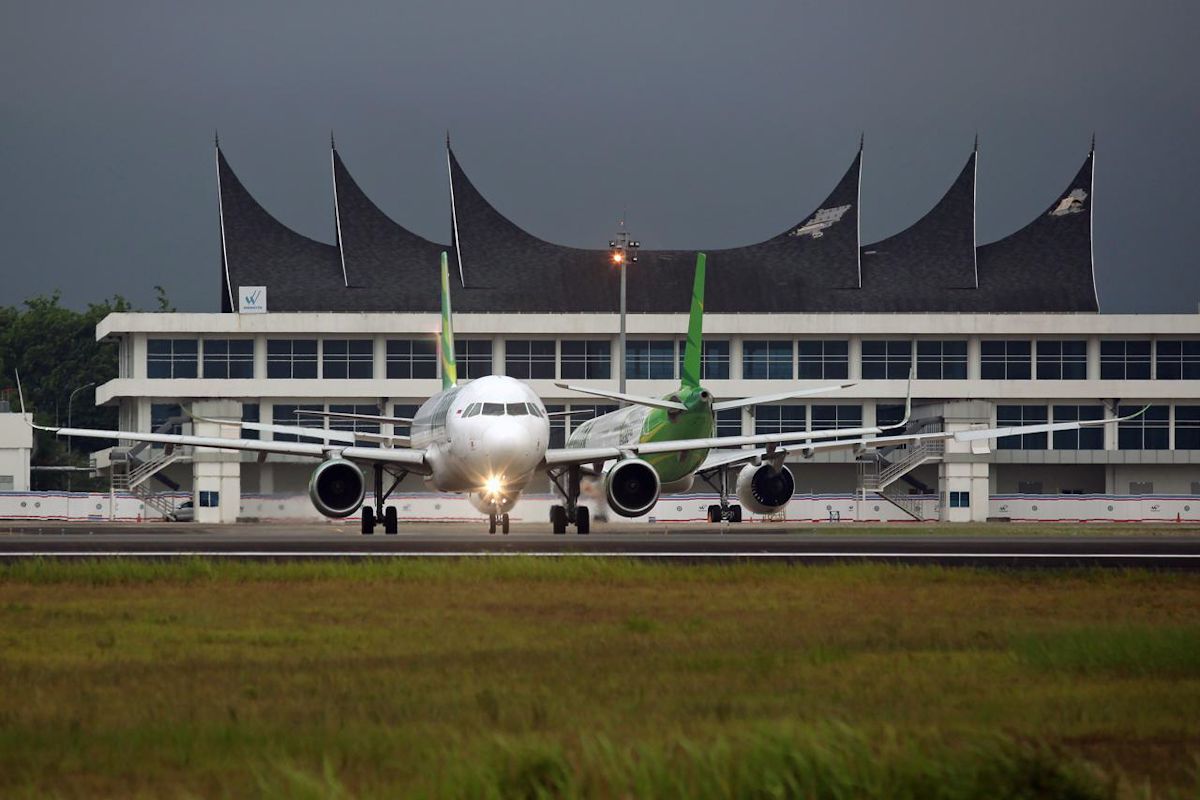
State-owned enterprise PT Angkasa Pura Indonesia (Persero), operating as InJourney Airports, is continuing the development of four airports this year as part of a premises transformation programme designed to improve service quality and the passenger experience. The airports included in the 2026 development plan are I Gusti Ngurah Rai in Bali, Soekarno-Hatta in Tangerang, Minangkabau in Padang, West Sumatra, and Depati Amir in Pangkalpinang.
InJourney Airports President Director Mohammad R. Pahlevi stated in Padang on Thursday that the essence of the transformation is continuous improvement to elevate service standards for airport visitors and passengers. He explained that the premises transformation focuses on delivering infrastructure and facilities oriented towards customer experience.
Pahlevi noted that development at Indonesia’s two busiest airports, Soekarno-Hatta and I Gusti Ngurah Rai, aims to create best-practice service standards that can be implemented at other airports. The upgrades are designed to enhance service and comfort while meeting global standards, with the goal of improving the two airports’ rankings among the world’s top 100 airports.
At I Gusti Ngurah Rai Airport, development this year includes expanding the passenger terminal to increase capacity to 32 million passengers per year, following earlier landside improvements. The terminal work involves optimising the international departure pier at Gates 1-9, constructing a connecting pier, landscaping, expanding boarding seat areas, and beautifying public facilities. Revitalisation of support facilities and services is also underway in the semi-outdoor commercial area, check-in area, and departure gates. A connecting bridge between the domestic and international terminals is being built to provide a dedicated route for transit passengers, reducing check-in times.
At Soekarno-Hatta Airport, the programme includes continued beautification of Terminal 3 and revitalisation of Terminal 1A. Terminal 3 beautification this year covers all commercial tenant facades in the departure area, all departure boarding gates, check-in interiors, and toilet facilities in both departure and arrival areas. Additional facilities, such as a game corner, are being added to the international boarding lounge. The revitalisation of Terminal 1A will increase its capacity from 5.7 million to 10 million passengers per year, with check-in counters rising from 25 to 36 units. Baggage claim conveyor belts will increase from five to seven, capable of handling 3,500 bags simultaneously, and the commercial area will expand from 4,400 to 6,300 square metres.
At Minangkabau Airport in Padang, development includes a new terminal spanning approximately 47,000 square metres, boosting capacity from 2.7 million to 5.7 million passengers per year. The expansion covers domestic and international arrival areas, boarding lounges, commercial zones, and terminal landscaping. Meanwhile, at Depati Amir Airport in Pangkalpinang, the terminal is being expanded to 30,000 square metres, doubling capacity from 1.5 million to 3 million passengers per year. This includes enlarging the check-in area, reorganising the curbside and security checkpoints, arranging commercial areas, and renewing interior landscaping and beautification throughout the terminal.
InJourney Airports, which manages 37 airports, is committed to improving services across its entire network.