
InJourney projects 150-159 million air passengers by 2026
PT Angkasa Pura Indonesia, also known as InJourney Airports, projects that the number of air passengers will be in the range of 150-159 million by 2026, with a realised figure of 74 million people in the first semester of 2026.
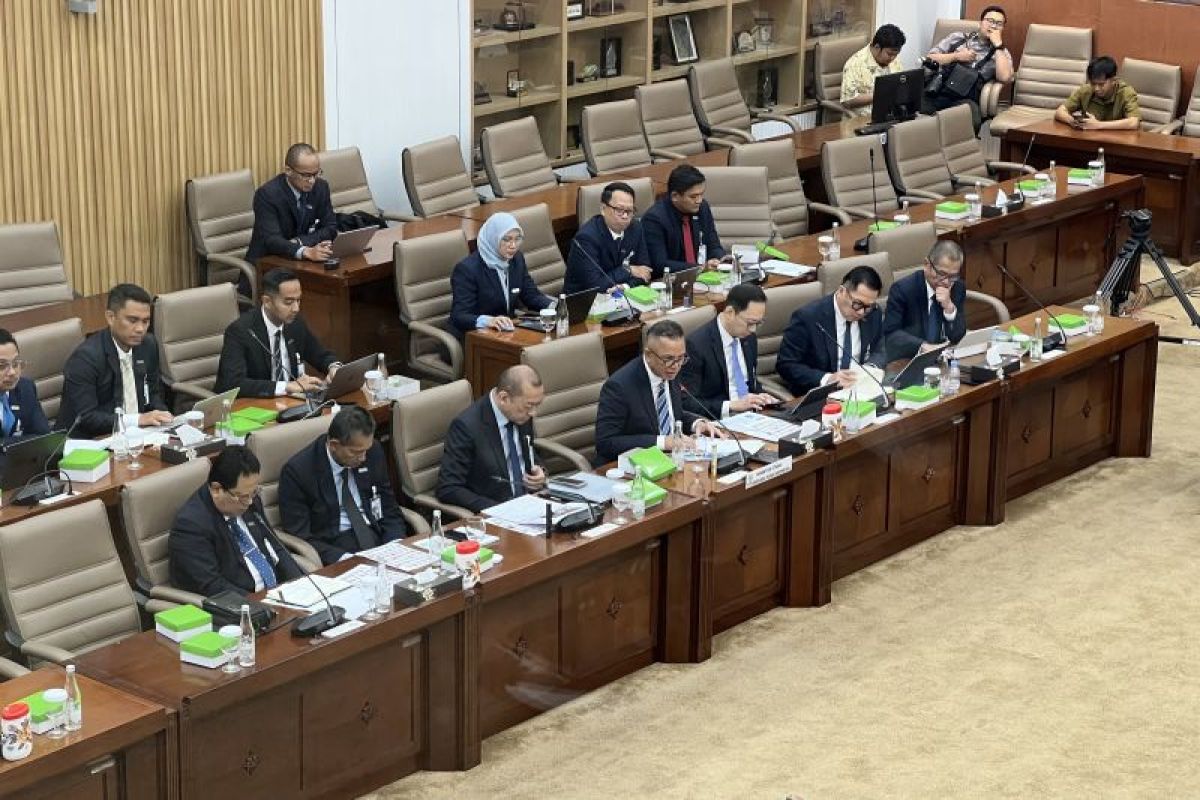
“We project 150-159 million (people). While domestic numbers have declined, international numbers are actually starting to increase,” said the President Director of InJourney Airports, Mohammad Rizal Pahlevi, following a Hearing with Commission VI of the Indonesian House of Representatives (DPR RI) in Jakarta on Thursday.
Rizal noted that passenger realisation in the first semester of 2026 reached 74 million passengers, a decrease of approximately 2 per cent compared to the 76 million passengers recorded in the first semester of 2025.
He highlighted the decline in domestic passengers. Looking at the first semester of 2026, domestic passenger numbers fell by 2 million, dropping from 56 million in the first semester of 2025 to 54 million in the first semester of 2026. Meanwhile, international passenger numbers remained stable at 20 million.
Furthermore, regarding aircraft traffic data, there was a 1 per cent increase, rising from 571,000 aircraft movements in the first semester of 2025 to 577,000 movements in the first semester of 2026. This upward trend was visible in domestic flights, which rose from 450,000 to 453,000 movements, and international flights, which increased from 121,000 to 124,000 movements.
Regarding the increase in the maximum fuel surcharge (FS) for scheduled domestic commercial air transport to 40 per cent, Rizal stated that this policy would certainly impact several routes. “Some routes will definitely be affected, but not all routes. I do not remember the exact routes; the figures must be reviewed,” said Rizal.
During the presentation to Commission VI of the DPR RI, Rizal acknowledged that geopolitical conditions significantly influence aircraft traffic and passenger numbers. “Geopolitics plays a major role in this situation, as do aviation fuel prices. I believe this is an issue that airlines frequently complain about,” Rizal added.
The Ministry of Transportation has adjusted the maximum fuel surcharge for scheduled domestic commercial air transport to 40 per cent in response to rising aviation fuel prices and periodic evaluations of national flight tariffs. The Directorate General of Civil Aviation under the Ministry of Transportation periodically evaluates fuel surcharge policies based on developments in aviation fuel prices set by fuel providers.
Evaluations are conducted based on the average national aviation fuel price and the price range established in regulations. Based on aviation fuel price publications as of 1 September 2026, the average price of aviation fuel was recorded at Rp23,315 per litre, representing an increase of approximately 6.5 per cent compared to the previous period.
Taking these fuel price developments into account, the fuel surcharge that air transport companies can apply to economy class passenger fares can now be a maximum of 40 per cent of the upper fare limit for their service group, up from the previous maximum of 30 per cent.