
Initial Capital Required to Open a 'Warung Madura', Guaranteed Crisis-Proof
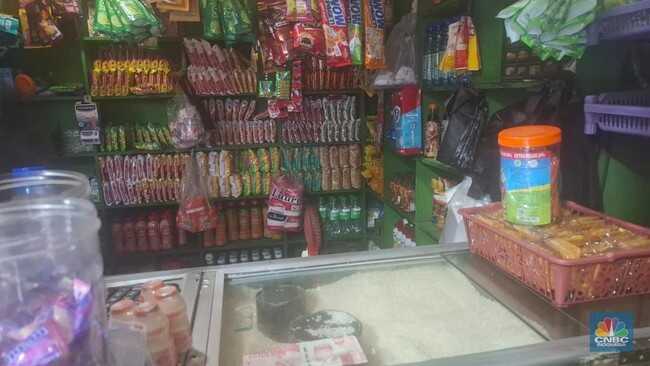
Considering starting a crisis-resistant business venture? A Warung Madura might be a viable option, as this type of enterprise promises substantial profits.
Warung Madura is recognised for its comprehensive product range, particularly everyday essentials. You can find items such as rice, cooking oil, sugar, flour, eggs, soap, snacks, liquefied petroleum gas, and other household goods. Many outlets also offer electrical token sales services.
Warung Madura stores offer goods at lower prices compared to similar shops or modern minimarkets, as profit margins are kept thin. However, the business relies on high sales volume, which generates substantial returns.
Prospective Warung Madura owners should also understand the challenges involved. Some outlets operate 24 hours daily, requiring round-the-clock supervision.
Launching a Warung Madura business requires approximately Rp 13-20 million. This typically covers initial stock purchases and equipment costs.
Speaking to CNBC Indonesia, Surya (pseudonym), a trader in the Petukangan area of South Jakarta, revealed his initial capital was Rp 15 million.
“When I first started the Warung Madura, the initial capital reached Rp 15 million, which was spent on display shelving, refrigerators, and other equipment,” Surya explained during an interview on Sunday, 9 November 2025.
Beyond capital, Warung Madura owners must also obtain business permits, including a Business Identification Number (NIB), through the online One-Stop Service (OSS) system. Applicants should prepare personal documentation such as identity cards (NIK) and tax identification numbers (NPWP).
Location selection is the next critical step, as it can significantly boost sales potential.
“I opened it roadside specifically to attract more customers, since this is a main road with considerable traffic,” Surya added.
Several other factors require attention for Warung Madura operators. Product quality and cleanliness are paramount—ensure all items remain fresh and in good condition.
Maintain cleanliness in the business premises and storage shelves. Treat customers with courtesy and friendliness to make them feel valued and comfortable.
Finally, thoughtful product arrangement, supported by facilities such as refrigerators to maintain product freshness and hygiene, serves as an added advantage.