
Inhumane Hajj Pilgrimage During the Dutch East Indies Era: Pilgrims Extorted, Quarantined, and Stripped
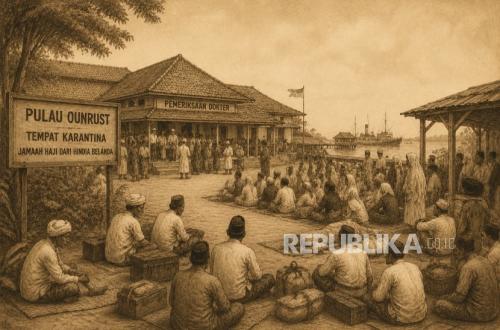
It was only in 1920 that ships began departing from Indonesia to Jeddah, operated by Dutch shipping lines such as Nederland, Rotterdam, and the British Semerong Blouw, which were part of the ‘Three Companies’—a well-known shipping consortium for the Hajj pilgrimage at that time.
However, embarking on the Hajj during that era required immense mental fortitude. Prospective pilgrims had to endure various hardships during the voyage, which lasted more than a month. Before reaching Jeddah, pilgrims were required to disembark in Cameroon, North Africa.
There, they were placed in quarantine for three days. They were treated inhumanely, forced to bathe in saltwater, and provided with very minimal food.
Upon returning from the Hajj, pilgrims could not hope to reunite with their families immediately. They were subjected to another period of quarantine of the same duration on Onrust Island, one of the Thousand Islands in Jakarta Bay. Furthermore, pilgrims were subjected to undignified treatment, such as being stripped naked.
As a result of this treatment, which was deeply degrading to the Muslim community, several scholars, particularly in Java, issued a fatwa: ‘It is not obligatory for women to perform the Hajj due to the poor treatment encountered along the way.’
Source: jawawa.id (https://jawawa.id/newsitem/inhumane-hajj-pilgrimage-during-the-dutch-east-indies-era-pilgrims-extorted-quarantined-and-stripped-1782798788)
Originally published by Republika (https://news.republika.co.id/berita/thepcl282/berangkat-haji-zaman-hindia-belanda-tak-manusiawi-jamaah-diperas-dikarantina-hingga-ditelanjangi), translated from Indonesian