
Inhaling Microplastics: Can They Truly Trigger Lung Cancer?
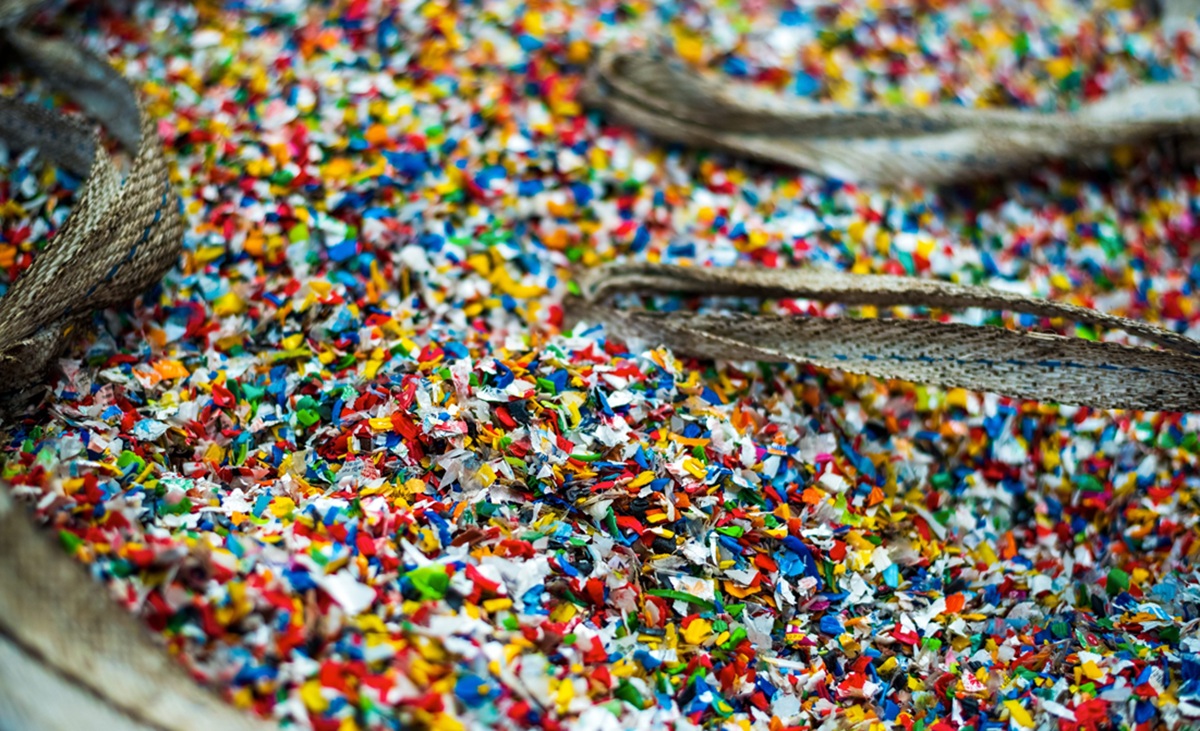
Lung cancer is not only related to smoking habits but can also be influenced by environmental exposure. One area of growing concern is microplastics and nanoplastics—particles resulting from the degradation of plastic that can disperse through the air, food, and water.
These micro- to nano-sized particles can enter the body through contaminated food and water, skin contact, or inhalation. Plastic is used in various consumer and industrial products, ranging from toys, household appliances, cosmetics, and textiles to packaging and building materials.
Most plastics do not decompose easily in nature. Over time, plastics in the environment undergo weathering and break down into extremely small particles known as microplastics and nanoplastics. Microplastics (MP) are plastic particles smaller than 5 millimetres that have been found in various ecosystems, including land, oceans, freshwater, and the atmosphere. Their presence has also been detected in food and drinking water.
These particles can enter the food chain after accumulating in animals, such as fish and shellfish, which are then consumed by humans. In the ocean, microplastics can also move into the atmosphere via waves and wind. Particles on the sea surface can be carried by bubbles to the surface and then enter the air when bubbles burst, forming sea spray.
Once in the atmosphere, microplastics can move horizontally and vertically and undergo weathering processes. These airborne particles can be inhaled and settle in the respiratory tract, making their presence a significant concern regarding potential health impacts. While microplastics have not yet been classified as carcinogens, preliminary research indicates that these particles can cause several changes within the body.
Microplastic exposure is linked to inflammation, lipid metabolism disorders, DNA damage, and intestinal health issues. These conditions are concerning as they can play a role in various health disorders. Some studies have also begun to examine the possible link between microplastics and several types of cancer, including breast, colorectal, lung, and prostate cancer. However, a direct link between microplastic exposure and lung cancer in humans has not yet been confirmed.
Because microplastics exist in various environments, complete avoidance of exposure is difficult. However, exposure can still be reduced by limiting sources and choosing safer alternatives. One way to reduce microplastic exposure is to avoid burning plastic, especially indoors. The use and heating of plastic also require attention; avoid reheating food in plastic containers or washing them in dishwashers, as heat and damage can accelerate the release of plastic particles.
As an alternative, plastic wrap can be replaced with aluminium foil, and food and drinks can be stored in glass containers or packaging. The use of synthetic fabrics in the home can also be reduced to limit exposure to plastic fibres in the air. Smoking smoke should also be avoided.
The next step is to improve ventilation and use air purifiers. Purifiers with HEPA filters can help filter particles from the air. Regular house cleaning is also important; use a wet mop or damp cloth when dusting so that particles do not fly back into the air. Microplastics remain a concern due to their potential impact on health, but evidence regarding their link to cancer, including lung cancer, still requires further research.
Source: jawawa.id (https://jawawa.id/newsitem/inhaling-microplastics-can-they-truly-trigger-lung-cancer-1789365134)
Originally published by Media Indonesia (https://mediaindonesia.com/kesehatan/933148/mikroplastik-terhirup-benarkah-bisa-picu-kanker-paru-paru), translated from Indonesian