
Information Manipulation Surrounding 27 August Protest Raises Fears of Cognitive Warfare
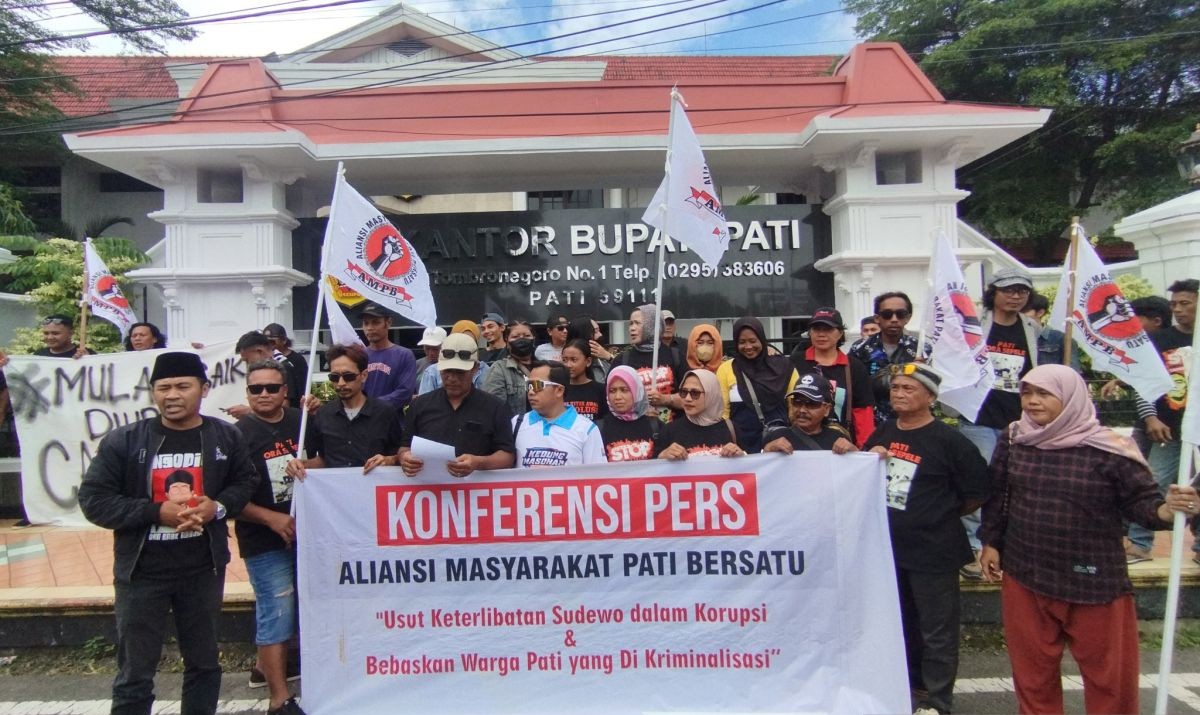
A series of public perception manipulations accompanying the wave of protests on 27 August 2026 has sparked serious concern about the country’s readiness to face cognitive warfare. Various information attack patterns, ranging from the freezing of donation accounts belonging to the Pati demonstration coordinator, account hacking, to the dissemination of old videos framed as recent events, are considered to have targeted the ‘public nervous system’.
Researcher at the Data and Democracy Research Hub of Monash University Indonesia, Ika Idris, stressed that this phenomenon demands clarity in government policy direction. According to her, Indonesia needs to decide whether it is sufficient to strengthen the mandate of existing institutions or whether new regulations and a dedicated, responsive technical body are required to curb information manipulation before it escalates into physical violence.
Ika explained that her team had been monitoring the movement of these narratives since several days before the protest took place. A significant surge in narratives began to be visible since Monday, when residents of Pati began moving towards Jakarta.
‘Coincidentally, what we monitored were three keywords, namely “demo Pati” and the hoax “demo Pati batal”. Calls to demonstrate had already appeared since 17-18 August, but the surge was only visible when law enforcement officers and the authorities showed an accountability gap that triggered public anger,’ Ika said on Thursday (27/8).
She assessed that the current condition of society has reached the stage of kinetic mobilisation. The public is no longer merely venting emotions on social media, but wants to demonstrate their power through real actions, such as the mass closure of bank accounts, as a form of resistance against feelings of powerlessness over the current situation.
Globally, there is a framework developed by the European External Action Service (EEAS) to distinguish patterns of information manipulation operations. The main problem is that both FIMI and DIMI often do not explicitly violate the law. This makes enforcement difficult to carry out using existing criminal regulations alone, thus creating a gap for horizontal conflict between community groups.
Ika warned of the potential for clashes between citizens due to narrative wars and hashtags between pro-government and anti-government groups. ‘I am afraid it will turn into citizen versus citizen clashes, no longer the people demanding from the government. Posting wars and infiltrating narratives will definitely exist,’ she continued.
To minimise the impact, Ika provided practical recommendations to the public: do not spread suspicious links. It is better to manually re-record content if you want to share information so as not to contribute engagement to accounts that have the potential to exploit virality for certain interests.
Following the 27 August 2026 protest, the government is faced with three strategic options to protect the public sphere from cognitive warfare. Without firm action, this recurring pattern of perception manipulation risks continuing to grow unchecked, leaving the public without structural protection against attacks targeting the nation’s collective consciousness.
Source: jawawa.id (https://jawawa.id/newsitem/information-manipulation-surrounding-27-august-protest-raises-fears-of-cognitive-warfare-1787817025)
Originally published by Media Indonesia (https://mediaindonesia.com/politik-dan-hukum/926525/manipulasi-informasi-di-tengah-aksi-27-agustus-picu-kekhawatiran-perang-kognitif), translated from Indonesian