
Influenza Cases in Singapore Reach Highest Level Since February 2024
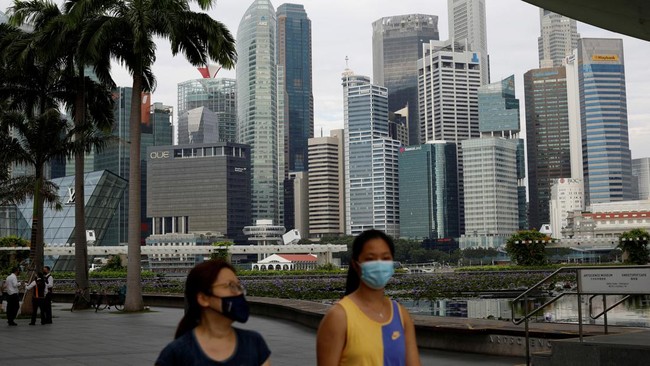
Influenza activity in Singapore has risen to its highest level in 32 months. Local media have reported that doctors are seeing more patients seeking treatment for respiratory problems as the country continues to contend with hazy weather.
The latest weekly statistics from the Communicable Diseases Agency (CDA) show that 44% of respiratory samples tested positive for influenza between 27 September and 3 October. That is more than double the 20% recorded in early August, before the haze first reached unhealthy levels in early September, and the highest figure since weekly data collection began in February 2024.
Health Minister Ong Ye Kung told reporters on Sunday that emergency departments had seen a week-on-week rise in patients with respiratory problems, while polyclinics had also reported more similar cases, Channel News Asia (CNA) reported on Monday, as quoted on Tuesday (13 October 2026).
The Ministry of Health (MOH) told CNA in a statement last Thursday that polyclinics and public hospitals had implemented haze-response measures, activated according to prevailing air quality conditions, the outlet added.
Dr Chew Si Yuan, a consultant in the respiratory and critical care medicine department at Singapore General Hospital (SGH), said influenza was currently the leading cause of respiratory tract infections among patients. He added that measures had been taken to manage the increase in cases.
“We have flu cases throughout the year in Singapore … but certainly, over the past month, we have seen more cases than usual. Anecdotally, we are easily seeing two or three times the number of cases we normally see,” he said.
“All hospitals, including SGH, have surge preparedness plans. We are currently managing these cases with dynamic surge staffing,” he said.
During the haze, SGH has used air purifiers and kept the windows and doors of non-air-conditioned wards closed. It has also stepped up monitoring of high-risk patients and offered home delivery of medicines to reduce unnecessary trips to hospital.
Doctors said poor air quality can worsen respiratory conditions, particularly among older people, young children, pregnant women and those with lung or heart disease.
Singapore is among the countries affected by forest and land fires in Sumatra and Kalimantan. The Pollutant Standards Index (PSI), which measures air pollution, showed unhealthy readings in several areas.
At 6am local time on Tuesday, the worst PSI reading was 173 in western Singapore. This was followed by central Singapore at 167, eastern Singapore at 150, the south at 134 and the north at 126.
A PSI reading of 0–50 is considered healthy. Readings of 51–100 are moderate, 101–200 unhealthy, 201–300 very unhealthy, and above 300 hazardous.
Source: jawawa.id (https://jawawa.id/newsitem/influenza-cases-in-singapore-reach-highest-level-since-february-2024-1791852630)
Originally published by CNBC Indonesia (https://www.cnbcindonesia.com/news/20261013063157-4-775535/singapura-jadi-makin-parah-tertinggi-sejak-februari-2024), translated from Indonesian