
Influenza A on the Rise, Ministry of Health Warns Against Panic Buying Medication
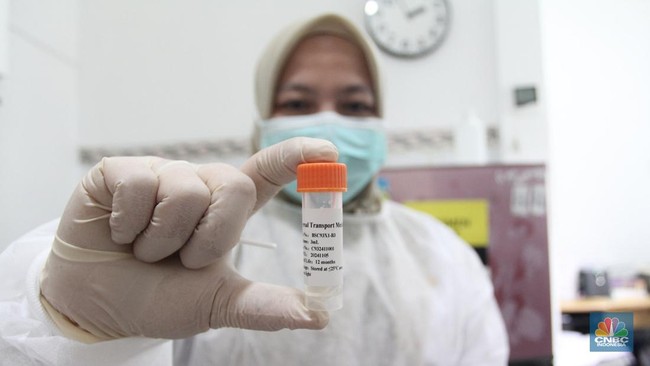
The increase in Influenza A cases has brought the antiviral drug oseltamivir into the public spotlight. However, the Ministry of Health (Kemenkes) has warned the public against engaging in panic buying or consuming the medication indiscriminately.
The Director General of Pharmacy and Medical Devices at the Ministry of Health, Lucia Rizka Andalucia, stated that not everyone infected with influenza requires oseltamivir. Most influenza cases without danger signs can improve with sufficient rest and fluid intake.
“Therefore, not every person must receive this antiviral drug or oseltamivir,” Lucia said during an online press conference on Monday (28/9/2026).
Oseltamivir is not a medication recommended for preventative use without a medical examination. The administration of antivirals is prioritised for patients who require it based on a doctor’s assessment, including patients with severe influenza undergoing hospitalisation and those at risk of complications.
“This particularly includes groups such as children under two years of age, the elderly over 65, pregnant women, and patients with underlying medical conditions,” she added.
Amid concerns regarding drug availability, the Ministry of Health stated that the distribution of oseltamivir has been carried out to approximately 196 hospitals. Distribution will continue according to hospital needs and the number of patients requiring the medication.
“The government is also conducting procurement through domestic production and imports via special channels to address delays in domestic production that cannot yet meet demand,” said Lucia.
However, the public is requested not to purchase or stockpile oseltamivir without a doctor’s prescription. The Ministry of Health also warned against lending medication, using someone else’s medicine, doubling doses, or self-adjusting therapy.
The use of oseltamivir without proper medical indication over the long term is feared could cause the influenza virus to become less sensitive or resistant to antivirals.
Pharmacology expert Dr. dr. Dewi Selvina Rosdiana, MKes, explained the results of a meta-analysis of more than 2,500 paediatric patients with uncomplicated influenza undergoing outpatient care. The research findings show that oseltamivir can statistically shorten the duration of illness. However, the average reduction is only about 18 hours, or less than one day.
“If the group receiving oseltamivir recovers in the morning, the group receiving a placebo or not receiving oseltamivir has also recovered by that evening,” Dewi explained.
She noted that existing evidence is not strong enough to demonstrate a meaningful clinical benefit in shortening the duration of the disease in the group of children with uncomplicated influenza. Therefore, the use of oseltamivir must still be adjusted to the patient’s condition and a doctor’s consideration.
The research she presented also showed that children receiving oseltamivir had a 1.6 times higher risk of vomiting compared to the group receiving a placebo or no oseltamivir.