
Influenza A in Children: Symptoms and How to Prevent It
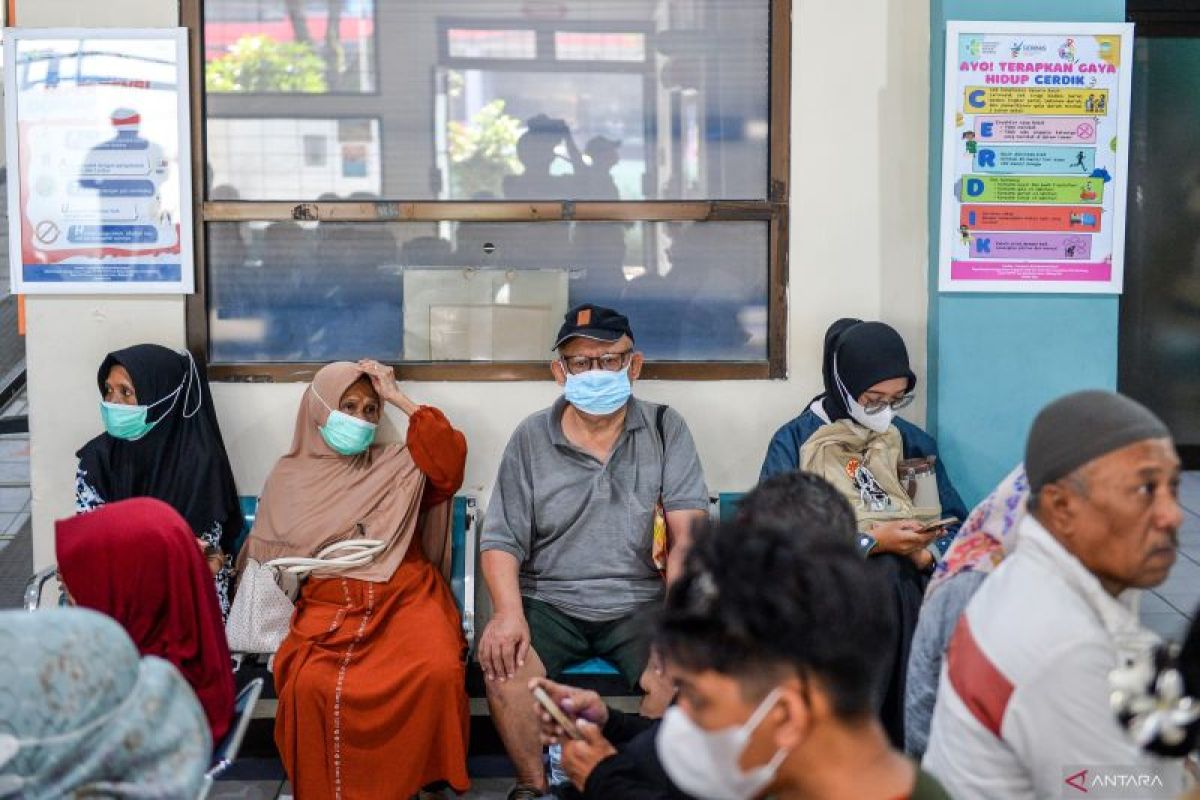
Jakarta (ANTARA) – The influenza A virus, particularly subtypes A(H1N1) and A(H3N2), spreads quickly among children because their immune systems are still developing and they have frequent physical contact at school and in play areas.
Transmission occurs mainly through respiratory droplets when an infected person coughs, sneezes or speaks. The virus can also remain temporarily on surfaces such as toys, door handles and stationery. Indirect contact transmission can therefore occur when children touch a contaminated object and then touch their nose, eyes or mouth.
Infected children also shed the virus for longer than adults, making them a significant source of transmission within families.
According to official data from the Indonesian Ministry of Health (Kemenkes RI) through the end of September 2026 (week 38), influenza activity in Indonesia rose seasonally amid changing weather and increased mobility:
Positive specimens: The ministry recorded 1,527 influenza-positive specimens out of 8,757 tested through Influenza-Like Illness (ILI) and Severe Acute Respiratory Infection (SARI) surveillance at health facilities.
Positivity rate: In week 38 of 2026, the positivity rate in sentinel monitoring reached 56 per cent (148 positive results from 265 specimens). The ministry stressed that this figure represents the proportion of laboratory samples testing positive, not the percentage of the general population.
Dominant subtype: A(H1N1) dominated national findings. The A(H3N2) subclade K subtype, known as “super flu”, accounted for only 22 cases in 2026, down sharply from 166 in 2025.
Cases among children: Transmission among children aged 0–4 and 5–9 followed a controlled seasonal pattern, well below the rising trend recorded the previous year. The ministry classified hospital SARI activity as remaining at a low level (yellow zone).
Preventing influenza A in children requires a multi-layered approach combining specific medical protection with healthy habits:
Annual influenza vaccination: The Indonesian Paediatric Society (IDAI) and the Ministry of Health recommend annual flu vaccination for children from the age of six months. Routine vaccination is highly effective in reducing the risk of severe complications and hospitalisation.
Hand-washing education: Teach children to wash their hands regularly with soap and running water for at least 20 seconds, especially before eating, after using the toilet and after handling toys in public areas. Alcohol-based hand sanitiser can be used when away from home.
Cough and sneeze etiquette: Teach children to cover their mouth and nose with a tissue or the inside of their elbow—not their palms—when coughing or sneezing, to prevent the spread of droplets.
Masks and staying at home: If a child develops flu symptoms such as a cough, runny nose or fever, they should wear a medical mask if they have to leave home. They are advised to rest at home until they have been fever-free for at least 24 hours without fever-reducing medicine, to avoid infecting classmates.
Cleaning frequently touched surfaces: Regularly clean toys, door handles, desks and electronic devices with disinfectant to interrupt indirect transmission.
Supporting immunity: Ensure children receive a balanced, nutritious diet and enough fluids, and get an appropriate amount of sleep for their age.
Source: jawawa.id (https://jawawa.id/newsitem/influenza-a-in-children-symptoms-and-how-to-prevent-it-1792374639)
Originally published by Antara (Indonesian) (https://www.antaranews.com/berita/5795621/influenza-tipe-a-pada-anak-gejala-dan-cara-mencegahnya), translated from Indonesian