
Industry Ministry Stresses Strengthening HGBT to Boost Industrial Optimism
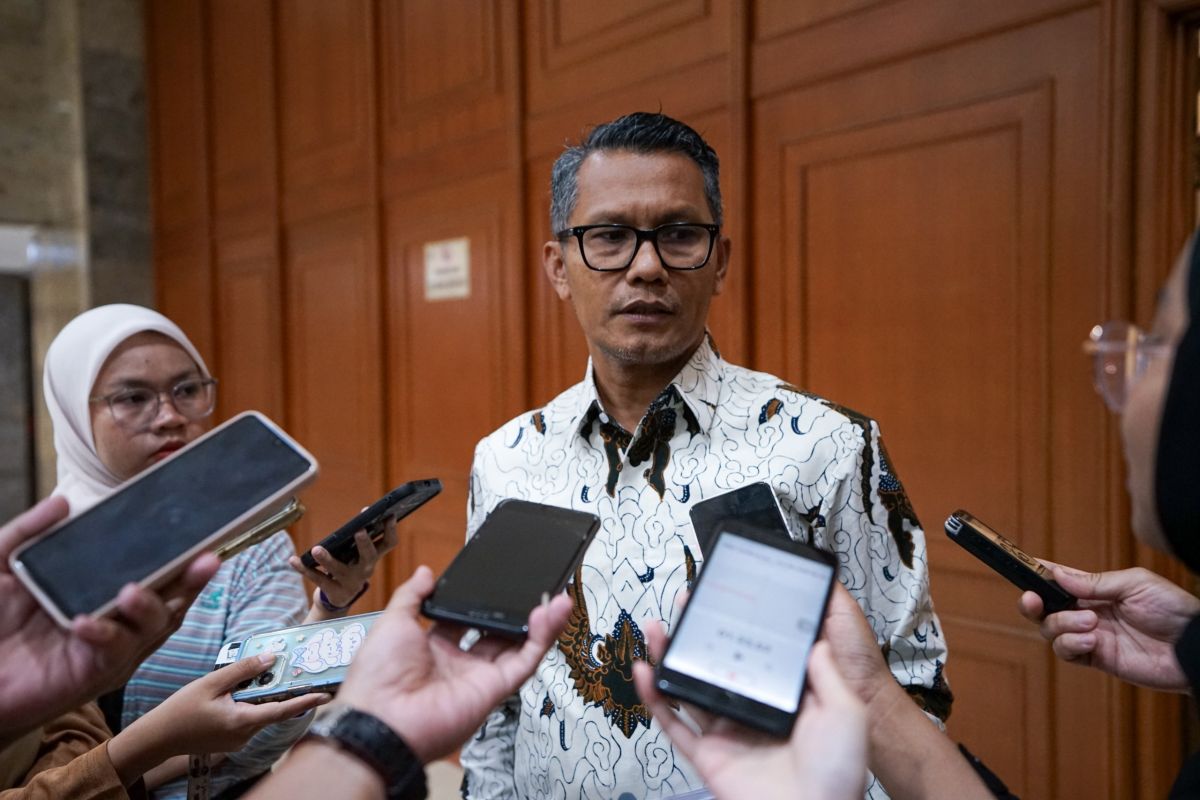
The Ministry of Industry has affirmed that strengthening the implementation of the Specific Natural Gas Price (HGBT) programme is a strategic step to spur optimism in the manufacturing industry amidst global economic pressures, whilst simultaneously reinforcing competitiveness. In a statement confirmed in Jakarta on Wednesday, Ministry Spokesperson Febri Hendri Antoni Arif said the ministry continues to strengthen various strategic policies to maintain the competitiveness and sustainable growth of the national manufacturing industry amid increasing global challenges. According to an S&P Global report, Indonesia’s Manufacturing Purchasing Managers’ Index (PMI) in June 2026 was recorded at 46.9, down from 50.0 in May 2026. The decline was influenced by weakening new orders from both domestic and export markets, impacting production activity, raw material purchasing, and employment absorption. On the other hand, the industry is also facing a surge in production costs due to rising raw material prices and currency depreciation, resulting in input price inflation recorded as the second highest since the PMI survey began in 2011. “This condition must be viewed as a challenge that needs to be addressed through strengthening policies to enhance the competitiveness of national industry,” he said. According to Febri, the pressure on the PMI in June was largely influenced by weakening demand and rising production costs. Therefore, the government is focused on ensuring various strategic policies run effectively so that the burden on industry can be reduced and manufacturing activity can increase again. One policy believed to have a tangible impact on industrial efficiency is the implementation of the HGBT programme. This programme is an important instrument for reducing energy costs for industrial sectors that use natural gas as raw material or a primary energy source. “This policy has already been felt by industry players and has proven to increase production efficiency and maintain the competitiveness of Indonesian manufactured products. Therefore, the implementation of HGBT needs to be continuously strengthened so that its benefits are optimally absorbed by all recipient industries,” he said. The government previously decided on Monday (29/6) to lower the price of liquefied natural gas (LNG) for the industrial sector to 13 US dollars per MMBTU from the previous range of 20–23 US dollars per MMBTU. This policy was taken to maintain the competitiveness of national industry while preventing layoffs. “The reduction in the price of industrial gas from LNG regasification is a breath of fresh air for the industry and is one of the solutions to return the Manufacturing PMI to an expansionary path in the coming months,” Febri stressed. Furthermore, Febri emphasised that amidst increasingly complex global challenges, the need to protect domestic industry is becoming more crucial. This protection not only safeguards business continuity but is also an important instrument for protecting employment absorption and reducing the risk of layoffs. “In a situation where competitor countries are still moving expansively, the Government will not stand idly by. Through cross-ministerial and institutional involvement and collaboration, the Government will continuously strive to create a conducive business climate,” he said. According to Febri, these measures are directed at boosting national competitiveness and seizing market opportunities, both for export and domestic markets. The government believes that protecting domestic industry is one of the foundations for creating a healthy business climate. In addition to strengthening the implementation of HGBT and protecting domestic industry, the Ministry of Industry is also accelerating various other strategic programmes, ranging from increasing the use of domestic products, facilitating manufacturing investment, securing the domestic market from unfair trade practices, to expanding export access to non-traditional markets. These various policies are aimed at maintaining industrial utilisation while increasing the competitiveness of national manufacturing. Amid the decline in the PMI in June, the ministry noted that the S&P Global survey actually showed an increase in business actors’ optimism regarding business prospects over the next 12 months compared to the previous month. This optimism was driven by expectations of easing price pressures and improving market demand.