
Industry Ministry Strengthens SME Development in Transmigration Areas
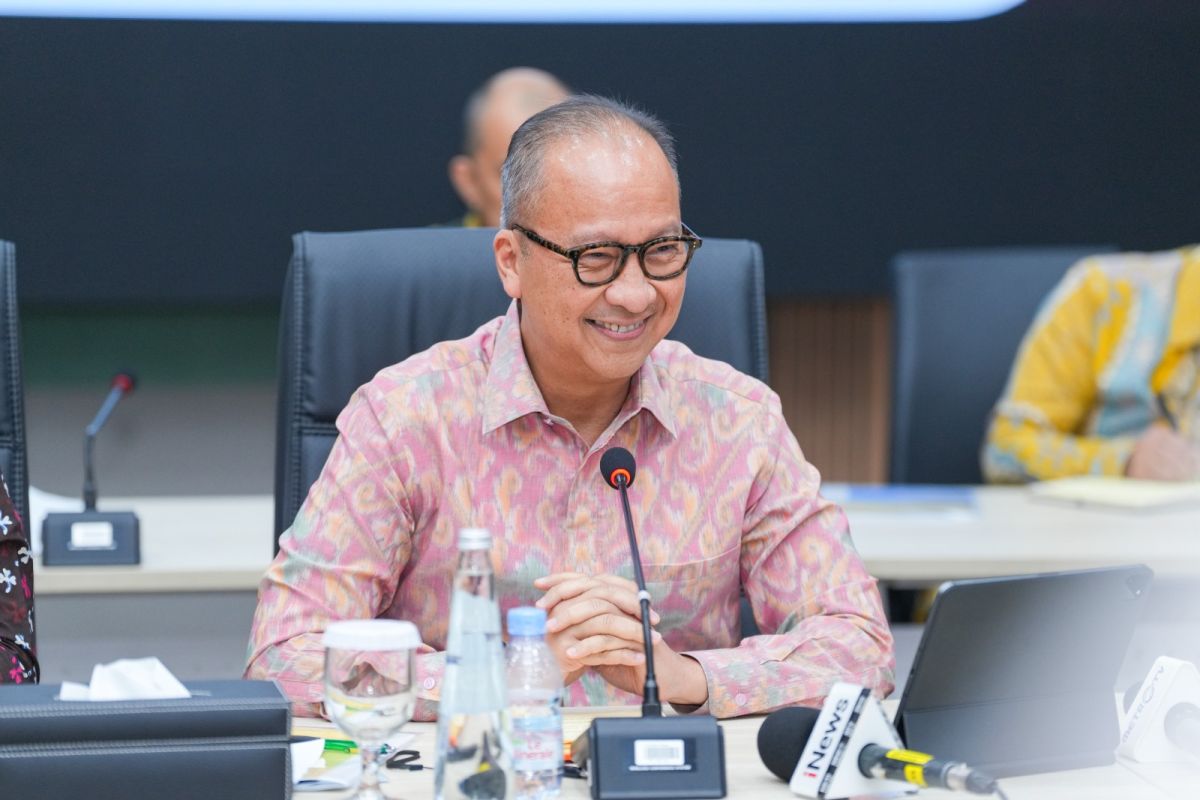
The Ministry of Industry (Kemenperin) is intensifying efforts to enhance small and medium industries (IKM) in transmigration areas through the development of new industrial entrepreneurs based on regional flagship potentials.
Minister of Industry Agus Gumiwang Kartasasmita stated that developing new industrial entrepreneurs is one of the government’s strategies to create inclusive sources of economic growth while improving community welfare, particularly in transmigration areas.
“This programme is a tangible manifestation of the government’s commitment to delivering integrated, targeted, and sustainable economic empowerment. By strengthening community capacity, we aim to produce new industrial players capable of processing regional potential into value-added products and creating jobs in their areas,” he said in a statement confirmed on Thursday.
One strategic step was realised through the organisation of Technical Guidance for New Food Processing Industry Entrepreneurs in the Barelang Transmigration Area, Batam City, Riau Islands, from 27–30 July 2026.
The programme is a follow-up to Presidential Instruction Number 8 of 2025 on Optimising the Implementation of Poverty Alleviation and the Elimination of Extreme Poverty, and is the result of synergy between the Ministry of Industry and the Ministry of Transmigration.
Organised by the Directorate General of Small, Medium, and Miscellaneous Industries (IKMA) of the Ministry of Industry, this activity is part of the implementation of the Integrated Coastal Poverty Alleviation Synergy Programme (SiTaskin Pesisir) in Batam City, which was launched on 7 July 2026.
According to the Minister, the technical guidance aims to optimise the potential of fishery products in the Barelang area by enhancing the competence of prospective business actors. Participants received training in entrepreneurship, business management, financing, digital marketing, and practical fish processing.
“We hope the participants will not only be able to start a business but also develop it into a sustainable business unit, thereby increasing the added value of local fishery commodities while strengthening the economy of families and the community,” Agus explained.
The Minister emphasised that IKM hold a strategic position as drivers of the people’s economy because they can absorb labour, expand business opportunities, and increase community income.
“IKM play a strategic role in strengthening the people’s economy, creating jobs, and supporting poverty alleviation. Therefore, strengthening IKM capacity is an important step to enable them to grow independently, productively, and sustainably,” he stressed.
Director General of IKMA Reni Yanita said the cooperation on IKM development in transmigration areas includes data and information exchange, fostering new industrial entrepreneurs, applying industrial technology for downstreaming flagship products, providing IKM machinery and equipment, quality standard guidance, strengthening IKM centre institutions, and promoting regional flagship products.
“This work plan is a sustainable commitment to building an inclusive, productive, and competitive national industrial ecosystem through the development of transmigration areas,” Reni said.
Secretary of the Directorate General of IKMA Yedi Sabaryadi explained that the activity was attended by 25 prospective new entrepreneurs, mostly from community groups with welfare levels in deciles 1–4 in the Barelang Transmigration Area.
“We hope the participants will be more motivated to build businesses based on local fishery potential, thereby increasing the added value of regional commodities while strengthening community welfare in transmigration areas,” Yedi said.