
Industry Ministry Seeks to Prepare Small Businesses for Mandatory Halal Certification Through Assistance
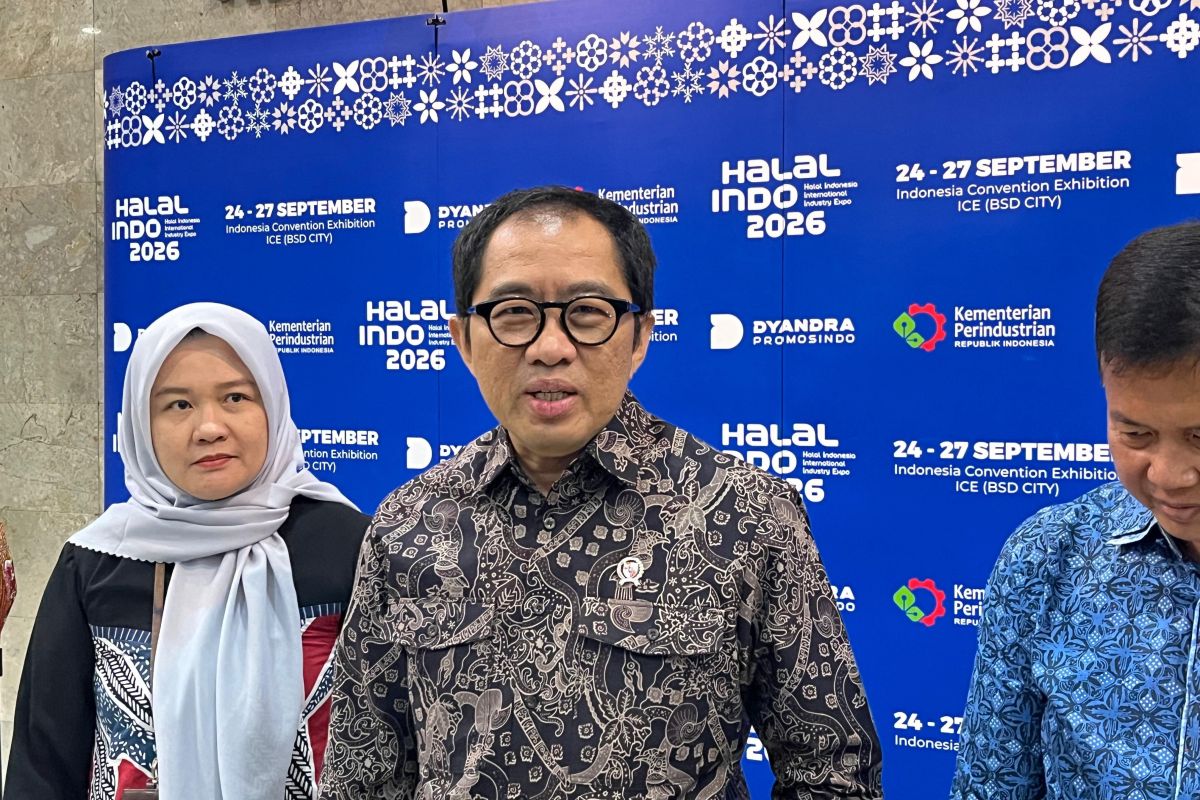
The Ministry of Industry (Kemenperin) is working to ensure the readiness of small industries for the mandatory halal certification requirement, which comes into effect in October 2026, through assistance, facilitation, and outreach. Deputy Minister of Industry Faisol Riza stated in Jakarta on Thursday that, generally, large industries are not considered to face significant obstacles in fulfilling the halal certification obligation. However, challenges are still encountered by some small industries that require further support in the certification process. “We have already encouraged small industries, we have assisted with mentoring, and we have also facilitated and conducted outreach,” Faisol said. According to him, the Ministry is ensuring that small industries which are ready can proceed with the halal certification stages. Meanwhile, for business operators still experiencing difficulties, the government is strengthening coordination with the Halal Product Assurance Agency (BPJPH) so that the certification process can run more optimally. Deputy Minister Faisol also emphasised that the government is committed to finding solutions so that all industry players, particularly small businesses, can meet the halal certification provisions without hampering their business activities. “We will certainly find opportunities and solutions,” he stressed. Furthermore, Faisol proposed strengthening synergy between the Ministry of Industry and BPJPH to simplify the halal certification process for small industries. He noted that this step could accelerate the certification service process because industry players would not need to manage requirements at various agencies separately. “Because there are halal industry companies here, they can be affirmed by BPJPH. So there is no back and forth, no need for industries to come to our office and then go to BPJPH,” he stated. With a more integrated coordination scheme, Faisol hopes the halal certification process for small industries will become simpler and more efficient. “So that makes it easier for small industries,” he concluded. Previously, BPJPH stated that the mandatory halal certification, effective from 18 October 2026, is an important momentum for business operators to enhance product competitiveness and strengthen consumer trust. BPJPH Head Ahmad Haikal Hasan, in a statement in Jakarta on Wednesday (17/6), assessed that halal certification is not only about ensuring halal status as a form of protection for the public in consuming or using halal products, but also provides added value that can increase consumer confidence, expand market access, and strengthen business competitiveness. “Halal is not merely an obligation for business operators. Halal is transparency, traceability, trustability. So it must be understood that halal is an added value related to quality, cleanliness, and health. It is a standard that can increase consumer trust and strengthen product competitiveness in the market,” Haikal said.