
Industry Ministry Calls for Removal of Standardised Cigarette Packaging Rules
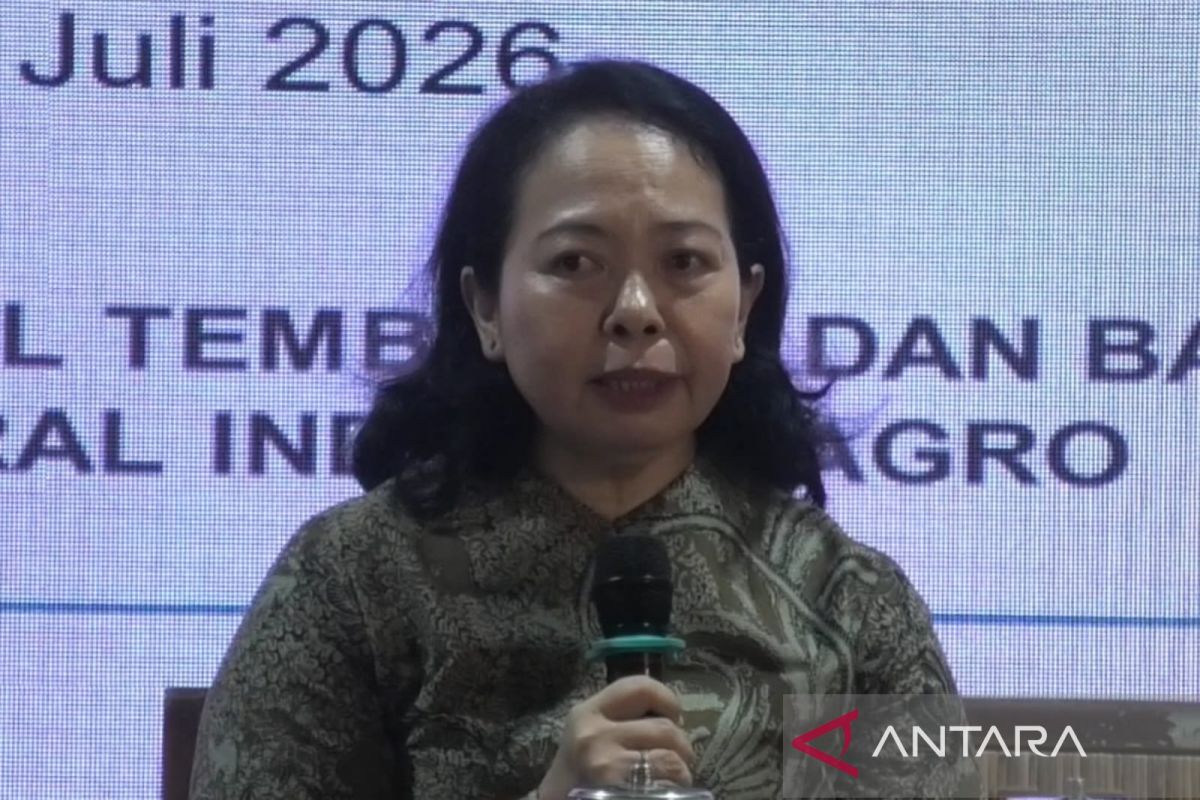
The Ministry of Industry (Kemenperin) has affirmed its rejection of the standardised cigarette packaging regulations contained in the draft Minister of Health Regulation (Permenkes), a derivative rule of Government Regulation (PP) No. 28 of 2024. Director of the Beverage, Tobacco Products and Refreshing Materials Industry at Kemenperin, Merrijantij Punguan Pintaria, in Temanggung on Saturday, requested that the provisions regarding packaging standardisation be removed from the draft regulation. She stated that this stance aligns with the aspirations of business actors who consider the regulation of packaging standardisation inappropriate for inclusion in the Permenkes. “The Ministry of Industry’s position has been conveyed, namely rejecting the regulation of packaging standardisation. We request that the chapter on packaging standardisation be deleted from the draft Minister of Health Regulation,” she said after a tobacco talk show held in the context of the 80th Bhayangkara Day at Pendopo Pengayoman Temanggung. According to her, in the ongoing harmonisation process, the Ministry of Health as the initiator maintains the view that packaging standardisation is a mandate of PP No. 28 of 2024. However, Kemenperin argues that what should be regulated is the design and placement of health warnings on cigarette packs, not the overall standardisation of packaging. “What needs to be regulated is the design and text of health warnings, including the number of images used, their size, and their placement at the top or bottom of the pack. Currently, the area for health warnings is increasing from 40 percent to 50 percent, so technical certainty is needed for the industry,” she said. She assessed that regulatory certainty is crucial because the tobacco products industry is waiting for regulations as a basis for implementation. Considering that PP No. 28 of 2024 will come into effect on 26 July 2026, delays in issuing technical rules could lead to a policy vacuum. Beyond the packaging standardisation issue, she highlighted the plan to regulate maximum limits for nicotine and tar content. According to Kemenperin, Indonesia already has an Indonesian National Standard (SNI) that is well accepted by business actors and stakeholders. She proposed that the determination of maximum nicotine and tar limits should not be done unilaterally, but through a comprehensive study involving all stakeholders under the coordination of the Coordinating Ministry for Human Development and Cultural Affairs (Kemenko PMK). She noted that if there is indeed an ultimate goal, it must be mutually agreed upon by the government, farmers, business actors, academics, and all stakeholders. “The target of 1 milligram of nicotine and 10 milligrams of tar may only be achievable within a timeframe of about 30 years. Therefore, policy must consider health, economic aspects, and the sustainability of the workforce, both in the upstream and industrial sectors,” she said. Temanggung Regent Agus Setyawan also rejected the draft derivative rules of PP No. 28 of 2024, particularly regarding the limitation of nicotine and tar content and the plan for standardised cigarette packaging. According to him, the policy could potentially impact the supply chain of raw materials for the tobacco products industry, which has been a source of livelihood for tobacco farmers in Temanggung Regency. “We reject the draft derivative regulation of PP No. 28 of 2024 if its substance continues to regulate the limitation of nicotine and tar content and the standardisation of cigarette packs. Although it does not directly target farmers, this policy will impact the absorption of harvests and the supply of raw materials from tobacco farmers,” he said. He revealed that the Temanggung Regency Government had officially conveyed its rejection through letters to Kemenko PMK, the Presidential Staff Office (KSP), and the Ministry of Agriculture several months ago as a form of regional aspiration regarding the formulation of the regulation.