
Industry Ministry boosts dairy sector through digitalisation and restructuring
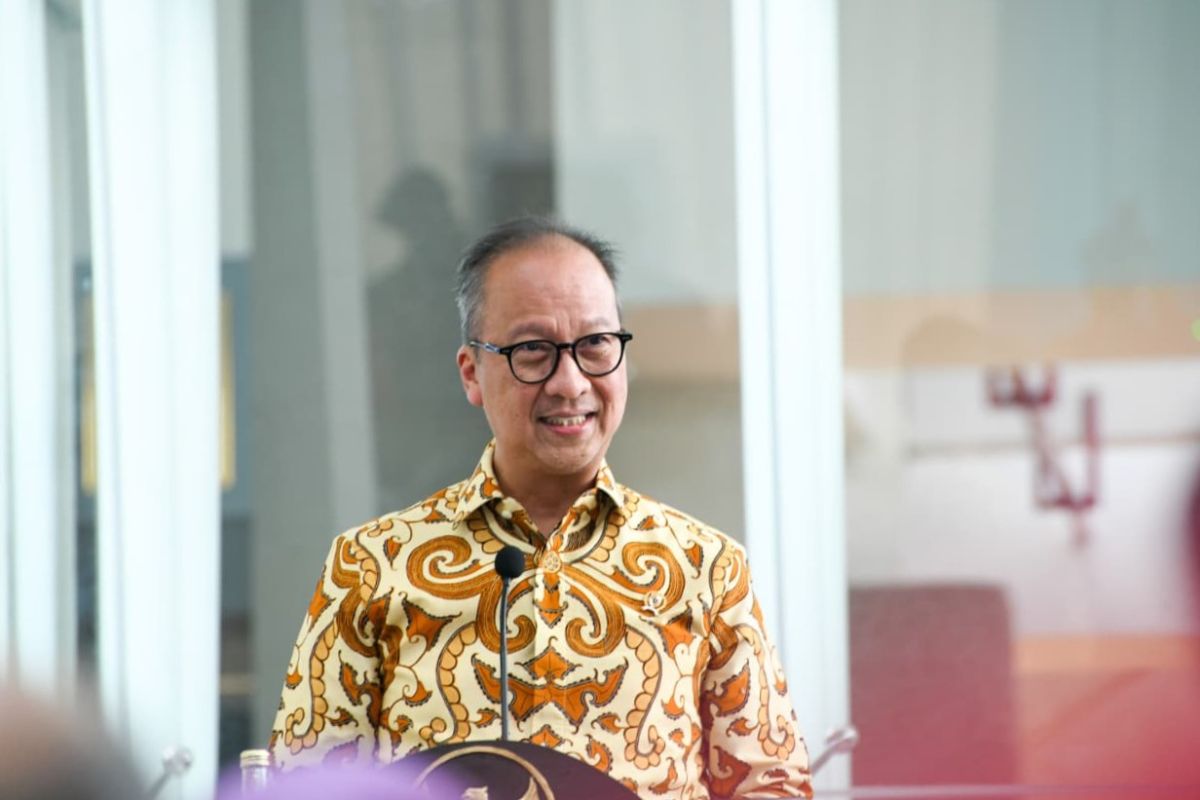
The Ministry of Industry (Kemenperin) is continuing to strengthen the national dairy processing industry (IPS) ecosystem through the use of digital technology and a restructuring programme for industrial machinery and equipment. The move is intended to support food security, improve public nutritional quality, and simultaneously reinforce the self-sufficiency of the domestic dairy industry. Minister of Industry Agus Gumiwang Kartasasmita stated that the dairy processing industry is a strategic manufacturing sector with a high multiplier effect because it is directly linked to smallholder farming. However, the industry still faces challenges in meeting domestic raw material needs. “Currently, domestic fresh milk production (SSDN) only fulfils around 20 per cent of the industry’s total requirements. Therefore, strengthening mutually beneficial partnerships between industry, farmers, and cooperatives is the main key to boosting national production capacity,” Agus said. Acting Director General of Agro Industry at Kemenperin, Putu Juli Ardika, explained that the dairy processing industry is closely linked to the smallholder farming sector, so strengthening the national dairy industry must be carried out comprehensively, from increasing production to developing the capacity of business actors. On the other hand, Indonesia’s milk consumption level is still relatively low, at around 17.7 litres per capita per year. This situation is considered to open up significant opportunities for the future development of the dairy processing industry. “With government programmes oriented towards improving public nutritional quality, such as the Free Nutritious Meal Programme (MBG), there is an opportunity to spur an increase in national milk consumption,” said Putu. Nevertheless, according to Putu, the national dairy processing industry still faces a number of challenges, including limited integration of upstream and downstream sectors, the relatively small scale of smallholder farming businesses, livestock productivity that needs improvement, and limitations in cold chain and logistics infrastructure. To address these challenges, Kemenperin continues to encourage the strengthening of partnerships between the dairy processing industry and dairy farmers, improving the quality of domestic fresh milk, and implementing digital technology at Milk Collection Centres (TPS). In addition, the government is also running a Restructuring Programme for Food and Beverage Industry Machinery and/or Equipment through Minister of Industry Regulation Number 40 of 2024. Director of Beverage, Tobacco Products, and Refreshing Materials at Kemenperin, Merrijantij Punguan Pintaria, said the restructuring programme is aimed at increasing the productivity and product quality of the national dairy industry. “Through this restructuring programme, the government provides a facility for partial cost replacement or reimbursement of up to 35 per cent for the purchase of new machinery and equipment. This facility can be utilised by the dairy processing industry as well as cooperatives and farmer groups that are industry partners to increase productivity and product quality,” Merri explained. Furthermore, she noted that the commemoration of Nusantara Milk Day serves as an important momentum to strengthen collaboration between the government, farmers, cooperatives, the dairy processing industry, academics, and the community in developing the national dairy sector. Synergy among stakeholders is considered a key factor in increasing domestic milk production while strengthening the competitiveness of the national dairy processing industry.