
Industry Minister Wants Hybrid Car Incentives Approved Quickly — Here’s Why
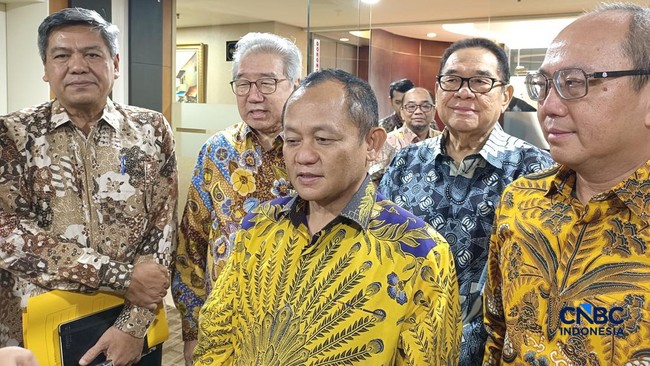
Industry Minister M Sarmuji wants to accelerate incentives for hybrid cars, plug-in hybrids and range-extended electric vehicles (REEVs). The government is targeting implementation by the end of this year, or early next year at the latest, to capitalise on rising fuel prices and encourage the use of more energy-efficient vehicles.
Sarmuji said the Ministry of Industry would soon discuss the proposed incentives with relevant stakeholders, including the Ministry of Finance. A meeting with Finance Minister Suahasil Nazara is expected to take place before the end of October 2026.
“We will push for this as soon as possible. With fuel prices rising, there is an opportunity to strengthen the battery-based industry across these different vehicle types. A month or two makes a big difference. We will aim for this year. We will discuss it; if that is not possible, early next year will be fine,” Sarmuji told reporters at his office in Jakarta on Wednesday (21 October 2026.
According to Sarmuji, rising fuel prices provide an opportunity to speed up the development of electrified vehicles in Indonesia. Alongside battery electric vehicles (BEVs), hybrids and REEVs are considered to have significant potential to reduce fuel consumption and emissions.
Incentives for hybrid vehicles and REEVs have not previously been formulated, unlike those for battery electric vehicles, which have already received various forms of support.
“That is what we will push for. The Ministry of Industry will support it because both have a positive impact. BEVs have a positive impact, and these vehicles do too. They have advantages. Plug-in hybrids, conventional hybrids and REEVs still use batteries, but also retain an internal combustion engine,” he said.
“So existing production components would not need to change completely. It is easier to adapt. In terms of the mechanism, we will propose both fiscal and non-fiscal incentives,” he added.
The Ministry of Industry is preparing proposals for two types of incentives: fiscal and non-fiscal. Fiscal incentives could include tax relief, while non-fiscal measures could include exemptions from odd-even traffic restrictions, dedicated parking and charging facilities.
Sarmuji stressed that incentives for hybrids and REEVs need not be as generous as those for BEVs. He said government support was needed to help the electrified vehicle industry grow and ensure that its benefits were felt by both the public and the state.
“They do not have to be at the same level as BEV incentives; what matters is that there is support. Tax relief does not have to be equal, as long as the industry grows and the benefits are shared by the public and the state,” Sarmuji concluded.
Source: jawawa.id (https://jawawa.id/newsitem/industry-minister-wants-hybrid-car-incentives-approved-quickly-heres-why-1792565461)
Originally published by CNBC Indonesia (https://www.cnbcindonesia.com/news/20261021115729-4-778127/menperin-mau-insentif-mobil-hybrid-diketok-cepat-cepat-ini-alasannya), translated from Indonesian