
Industry Minister: Mandatory Halal Certification Should Boost Competitiveness of Industrial Products
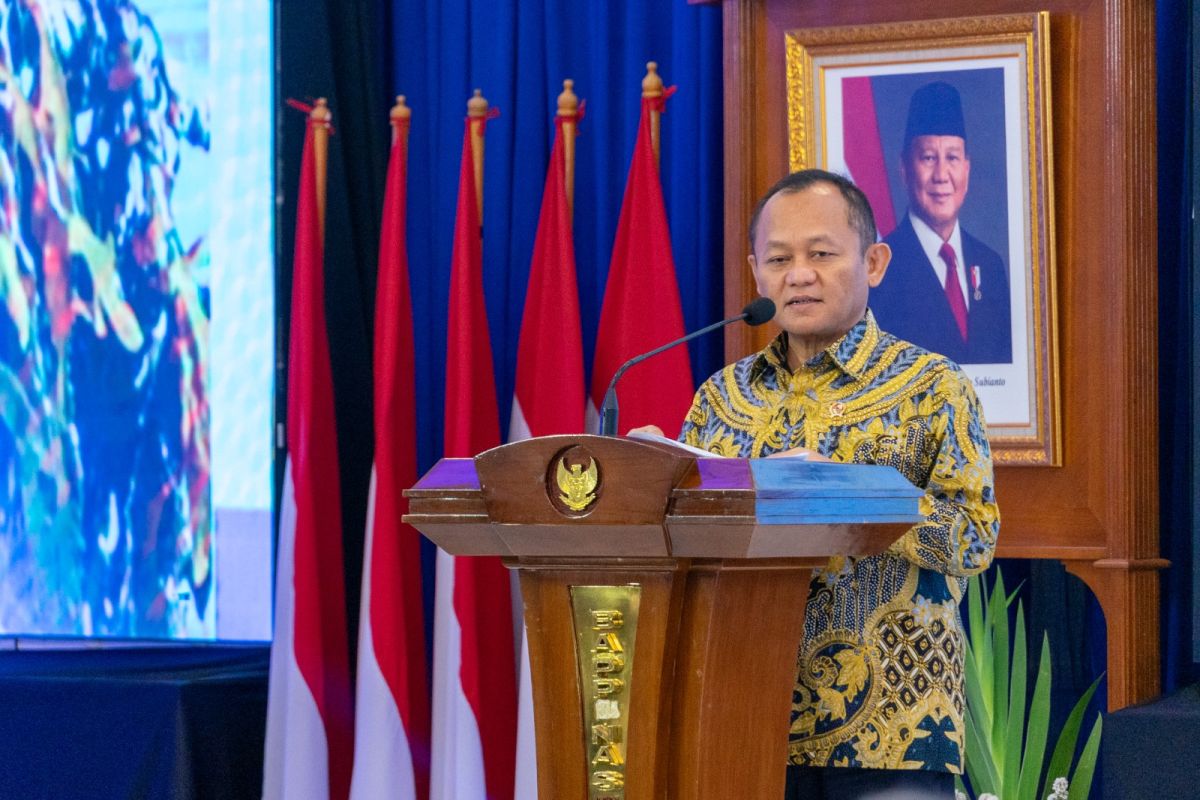
“We must make the implementation of mandatory halal certification a moment to further improve the quality and competitiveness of national industrial products.”
Jakarta (ANTARA) — Industry Minister Muhammad Sarmuji said the implementation of mandatory halal certification in October 2026 should be an opportunity to improve the quality and competitiveness of national industrial products, while strengthening Indonesia’s position in domestic and global markets.
“The implementation of mandatory halal certification should be a moment to further improve the quality and competitiveness of national industrial products. The halal industry has significant potential, so the readiness of industry players to meet halal standards is an important part of strengthening Indonesia’s position in domestic and global markets,” the minister said in a statement confirmed in Jakarta on Wednesday.
Sarmuji said strengthening the halal industrial ecosystem formed part of efforts to reinforce the national industrial structure and support an industrial transformation that is resilient, competitive and sustainable.
The Ministry of Industry is therefore focusing not only on regulation, but also on strengthening support services so businesses can meet applicable quality standards and requirements effectively and efficiently.
One measure is to optimise the role of the ministry’s technical implementation units (UPT) across the country, which provide industrial services including guidance and assistance in meeting halal certification requirements.
Emmy Suryandari, head of the Ministry of Industry’s Agency for Industrial Services Standardisation and Policy (BSKJI), said businesses should view the 2026 Mandatory Halal policy as a strategic opportunity to increase the added value of their products and expand market access.
“Halal certification is no longer merely an administrative requirement; it can be a catalyst for improving the competitiveness of our industries and helping them move up the value chain. With halal certification, local products are expected to become more competitive and resilient in domestic and global markets,” Emmy said.
She said the ministry’s technical units offer services ranging from technical training and assistance to helping industries prepare for halal certification through Halal Inspection Bodies (LPH) working in partnership with the Halal Product Assurance Agency (BPJPH).
The support is needed to ensure that halal certification is seen not only as regulatory compliance, but also as a means of improving product quality and capitalising on growth opportunities in the halal economy.
One unit providing this support is the Semarang Centre for Industrial Pollution Prevention Standardisation and Services (BBSPJPPI). It is accredited by BPJPH as a Pratama-level LPH and is ready to support halal certification for small and medium-sized food and beverage industries in Central Java.
BBSPJPPI aims to increase its service capacity by attaining Utama-level LPH status in 2027. This is intended to broaden its service coverage nationally and internationally, enabling it to assist more industry players in meeting halal standards.
In addition to halal inspections, BBSPJPPI offers various industrial services, including testing, calibration, product certification, ISO 9001 and ISO 14001 management system certification, green industry certification, verification of Domestic Component Levels (TKDN), and industrial consultancy and technical assistance.
BBSPJPPI head Sofyari Rahman said the centre was continuing to expand outreach and assistance to industry players ahead of the implementation of Mandatory Halal 2026.
“BBSPJPPI’s focus is not simply to help with administrative certification requirements, but also to ensure the transfer of knowledge about quality assurance systems. This will enable industry players not only to meet applicable requirements, but also to strengthen their quality and competitiveness,” he said.
Sofyari encouraged industry players, particularly in Central Java and surrounding areas, to make use of the available services so they can begin preparing for halal certification as early as possible.
Source: jawawa.id (https://jawawa.id/newsitem/industry-minister-mandatory-halal-certification-should-boost-competitiveness-of-industrial-products-1791939127)
Originally published by Antara (Indonesian) (https://www.antaranews.com/berita/5784785/menperin-wajib-halal-jadi-momen-pacu-daya-saing-produk-industri), translated from Indonesian