
Industry Groups Urge Health Warning Rules to Comply with Intellectual Property Law
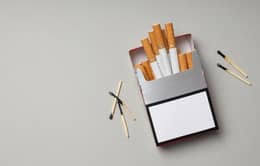
The Health Ministry has held a public consultation on health warning regulations at the Health Policy Development Agency in Jakarta, where tobacco industry representatives expressed concerns over proposed standardised packaging rules. Participants highlighted that the draft includes provisions for uniform packaging in Pantone 448 C colour, which exceeds the mandate of Government Regulation No. 28 of 2024 and conflicts with Intellectual Property Law.
GAPRINDO Chairman Benny Wachjudi warned that illegal cigarette sales, which account for 14% of the market (around 40 billion cigarettes), would worsen if standardised packaging is enforced. “Standardising packaging is the issue. The proposed Pantone 448 colour isn’t even required by Regulation 28/2024. With current differences in packaging, illegal cigarettes are already rampant. If all packaging looks the same, distinguishing legal from illegal products will become impossible,” he stated on Tuesday (26 May 2026).
Wachjudi added that forcing such standardisation would jeopardise the tobacco industry, which supports six million jobs, especially amid geopolitical and economic uncertainty. “Businesses comply with regulations, but when rules are unworkable, survival becomes impossible. We demand rational, non-coercive policies aligned with Regulation 28/2024,” he emphasised.
ARVINDO Chairman Firmansyah Siregar criticised the Health Ministry for excluding industry stakeholders from policymaking. “This draft shows the consequences of not involving affected businesses. If the goal is reducing smoking rates, the priority should be education and awareness,” he said. He warned that standardised packaging would harm the e-cigarette industry, particularly SMEs, by making all brands indistinguishable and undermining legitimate businesses’ investments and creativity.
The Ministry of Industry and labour unions have also firmly rejected the plain packaging policy, clarifying that standardised packaging does not remove logos or brands but standardises elements like colour, health warnings, and nicotine content.