
Industry Group Urges Trump Not to Interfere in Memory Chip Shortage Crisis
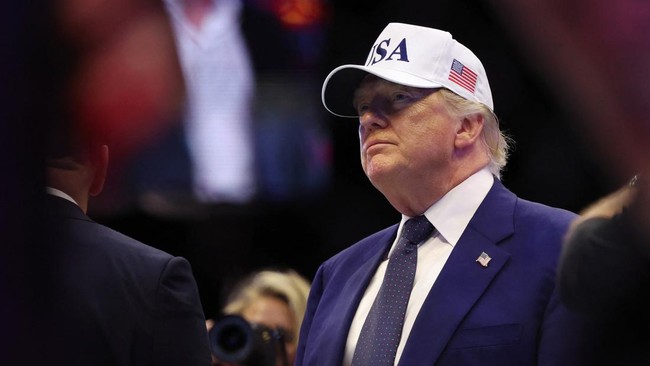
The President of the United States, Donald Trump, has been urged not to ‘interfere’ in the global memory chip shortage crisis, which has impacted consumer electronics industries such as smartphones, laptops, gaming consoles, and household appliances. This plea was issued by the semiconductor industry group, SEMI, via a letter to senior White House officials.
Three of the largest memory chip manufacturers—US-based Micron, South Korea’s SK Hynix, and South Korea’s Samsung Electronics—are members of SEMI. The group has requested that the Trump administration refrain from responding to the memory chip shortage by intervening in prices or production capacity, a move they fear could exacerbate the situation.
In its letter, SEMI also requested that the US allow companies to continue long-scale agreements with their clients and extend tax incentives to increase output within the US market. “While targeted policies can support the acceleration of domestic supply resilience, interventions that distort decisions regarding price or capacity risk prolonging the decline in demand,” SEMI stated in the letter, as reported by Bloomberg News via Yahoo Finance.
“Current market conditions are being addressed through investment in the US manufacturing sector and an increased focus on long-term purchase agreements,” the organisation added.
Various industries, ranging from automotive manufacturing to consumer electronics, are facing unprecedented pressure from the memory chip supply shortage. Demand for chips has reached record highs due to their use in high-end processors that power Artificial Intelligence (AI) data centres.
Currently, Apple is also seeking permission from the Trump administration to purchase memory components from two Chinese companies that are on the Pentagon’s blacklist. The letter, dated 1 July 2026, was addressed to Treasury Secretary Scott Bessent. He is one of the officials being lobbied by Apple CEO Tim Cook regarding the issue of Chinese-sourced memory, alongside Secretary of Defense Pete Hegseth, Secretary of Commerce Howard Lutnick, and Secretary of State Marco Rubio.
While not specifically naming Chinese suppliers, the letter from SEMI reinforces a growing view in Washington that the memory chip shortage has become a political challenge. As investors have reacted positively to the surge in valuations for memory chip manufacturers, policymakers are closely monitoring the impact on consumers, particularly following decisions by Apple and Microsoft to raise prices on popular products.
To help alleviate the burden of rising electronic device costs, SEMI is proposing a different solution from Apple’s proposal. They are urging the government to work with Congress to formulate policies that could offset the rising prices of smartphones and laptops, specifically through the development of consumer-oriented tax reduction or credit schemes.
Senator Bernie Moreno, a Republican from Ohio, sent a letter to Lutnick last April warning that the memory chip shortage could impact the automotive industry, similar to the supply disruptions and price surges experienced during the coronavirus pandemic. The letter concluded with an appeal to Lutnick to prioritise domestic needs for memory chip components.
SEMI stated in its letter that memory chip production capacity is predicted to grow by approximately 19% per year, according to industry data. The association added that the surge in demand for memory chips for AI infrastructure will outpace supply, creating even greater shortages for other electronic devices, from laptops and cars to household appliances.
Although memory chip manufacturers plan to expand capacity, building such capacity takes several years. This mismatch between supply and demand has led to massive price increases for electronic devices.