
Industry–Campus Collaboration as the Foundation for Indonesia’s Competitiveness in the Industry 5.0 Era
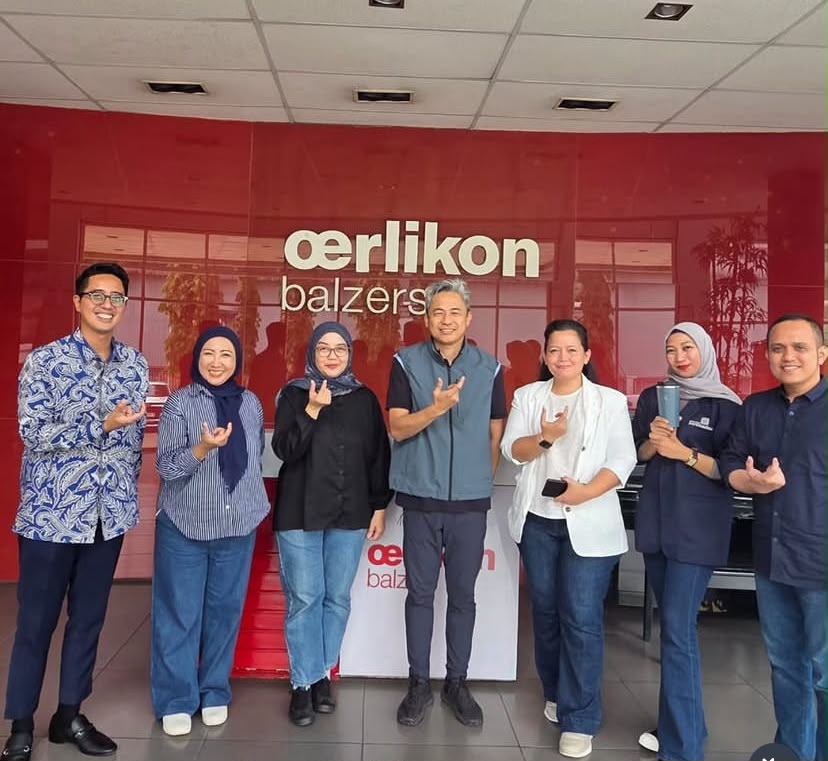
The transformation towards Industry 5.0 demands a fundamental shift in the relationship between education and business. Partnerships between universities and industry must move beyond memoranda of understanding or ceremonial events. Collaboration must be realised through joint curriculum development, quality internship programmes, applied research, competency certification, and training that genuinely addresses industry needs. Technological advancements, digitalisation, artificial intelligence, and the push towards green industry have rapidly changed workforce competency requirements. This has caused many companies to experience a gap between the skills needed and the competencies possessed by the available workforce, hampering productivity, innovation, and the speed of industrial transformation. International academic studies on bridging the skills gap confirm that multi-stakeholder partnerships are the most effective approach. Collaboration involving businesses, universities, government, training institutions, researchers, and industry associations has proven capable of producing talent development systems that are more adaptive to changing market needs. Seeing this need, TITAN Corporation, HIPPI Jakarta Selatan, and Universitas Paramadina have initiated a strategic collaboration as a model of synergy between industry, business associations, and academia. This collaboration is directed at strengthening the human resource development ecosystem by aligning curricula with industry needs, conducting project-based internship programmes, applied research, practitioner lectures, developing competency certification, and creating innovation spaces that bring together students, academics, and business actors. The initiative is expected not only to produce graduates who are more work-ready but also to generate innovations that address the challenges of national industrial transformation, particularly in the manufacturing, industrial technology, energy, green industry, and digitalisation sectors. According to Peter Rusli, CEO of TITAN Corporation and Chairman of the HIPPI Jakarta Selatan Advisory Board, Indonesia has a significant opportunity to become a global industrial power by 2045. However, this opportunity can only be realised if the education and industrial sectors operate as strategic partners that build each other. He stated that industry can no longer merely be the user of graduates; it must become a co-creator in shaping Indonesia’s future competencies. Peter explained that companies need to be involved from the outset in the competency formation process, from providing curriculum input and opening access to internships that offer real experience, to supporting industry-needs-based research and bringing practitioners into the university learning process. He noted that the collaboration between TITAN Corporation, HIPPI Jakarta Selatan, and Universitas Paramadina is an example of how industry, business associations, and academia can operate within a mutually reinforcing ecosystem. Education must produce relevant talent, while industry must actively shape that competency from the time the learning process takes place. As a company engaged in industrial solutions, technology, engineering, maintenance, calibration, and industrial transformation, TITAN Corporation brings real-world experience from various national strategic sectors into the academic environment. Meanwhile, HIPPI Jakarta Selatan acts as a bridge connecting the needs of the business world, including SMEs, and industry networks with educational institutions, ensuring the collaboration has a direct impact on enhancing national business competitiveness. Universitas Paramadina serves as a strategic partner in developing an educational approach that is adaptive to the changing times by strengthening digital competencies, leadership, entrepreneurship, innovation, sustainability, and critical thinking skills, which are essential needs for the future industry. Peter added that the success of national industrial transformation cannot be placed on a single party. The government must present policies that encourage collaboration, the business world must open wider learning spaces, business associations must expand networks and collaboration opportunities, and educational institutions must continuously update curricula in line with technological developments and labour market needs. He concluded that achieving the Golden Indonesia 2045 vision requires world-class human resources, and to realise this, universities, industry, and business associations must stop working in isolation and instead build a collaborative ecosystem that fosters innovation, increases productivity, and shapes future industry leaders. Entering the Industry 5.0 era, the collaboration between TITAN Corporation, HIPPI Jakarta Selatan, and Universitas Paramadina is expected to become a replicable model for other educational institutions and industry players across Indonesia. By continuously linking education, research, innovation, and business needs, Indonesia will have human resources that are more adaptive and competitive, ready to strengthen the nation’s position as a robust, innovative, and competitive industrial country on the path towards a Golden Indonesia 2045.