
Industrial Exports Strengthen, Indonesia's Trade Balance Records USD 3.70 Billion Surplus until July 2026
Indonesia’s trade balance from January to July 2026 continued to record positive performance with a surplus of USD 3.70 billion. This achievement was supported by a trade surplus in July 2026 amounting to USD 0.12 billion.
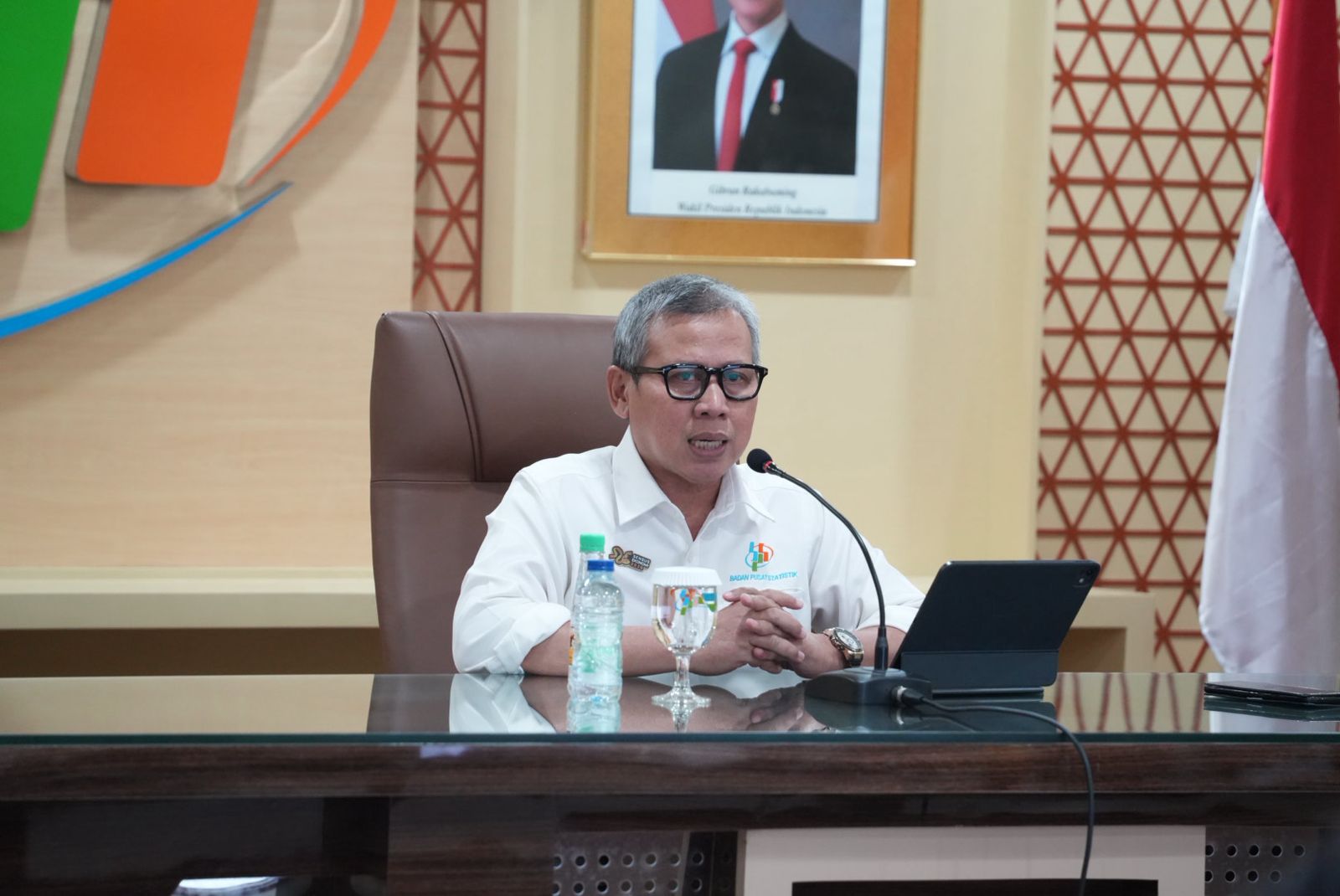
Ateng Hartono, Deputy for Distribution and Services Statistics at the Central Bureau of Statistics (BPS), stated that the cumulative surplus primarily originated from non-oil and gas commodity trade.
“Cumulatively, Indonesia’s trade balance for the period of January to July 2026 still experienced a surplus of USD 3.70 billion,” Ateng Hartono said in Jakarta on Tuesday (1/9).
Ateng explained that this surplus was supported by the performance of non-oil and gas trade, which recorded a surplus of USD 22.45 billion, while oil and gas trade still experienced a deficit of USD 18.75 billion.
Indonesia’s export performance throughout the first seven months of 2026 reached USD 167.03 billion, an increase of 4.43 per cent compared to the same period in the previous year. This growth was primarily driven by non-oil and gas exports, which rose by 5.21 per cent to USD 160.01 billion.
From a sectoral perspective, the manufacturing industry remains the main pillar of national exports. The export value of this sector reached USD 137.26 billion throughout January-July 2026, growing by 7.16 per cent compared to the same period in 2025.
China remains the primary destination for Indonesia’s non-oil and gas exports, with a value reaching USD 40.62 billion, or approximately 25.39 per cent of total non-oil and gas exports. The United States follows in second place with a value of USD 19.19 billion (11.99 per cent), followed by India at USD 11.00 billion (6.87 per cent).
Amidst this export growth, Indonesia’s imports also experienced a significant increase. The cumulative import value for January-July 2026 was recorded at USD 163.33 billion, an increase of 19.94 per cent compared to the same period last year.
The rise in imports came from both non-oil and gas and oil and gas groups. Non-oil and gas imports grew by 16.78 per cent to USD 137.56 billion, while oil and gas imports surged by 40.24 per cent to USD 25.77 billion.
Based on usage, raw materials and auxiliary goods remained the largest import component, reaching a value of USD 116.70 billion, an increase of 20.42 per cent. Meanwhile, capital goods imports were recorded at USD 32.46 billion, up 20.00 per cent, while consumer goods imports reached USD 14.16 billion, growing by 16.03 per cent.
China also continues to dominate as the primary source of Indonesia’s non-oil and gas imports throughout January-July 2026. The import value from this country reached USD 58.29 billion, representing 42.38 per cent of Indonesia’s total non-oil and gas imports. Japan holds the second position with a value of USD 7.71 billion (5.61 per cent), followed by Australia at USD 6.47 billion (4.70 per cent).
Ateng added that the non-oil and gas trade surplus during January-July 2026 was primarily supported by several leading commodities.
“Animal and vegetable fats and oils were the largest contributors to the surplus, with a value of USD 20.96 billion,” Ateng added.
Furthermore, the surplus also came from mineral fuels at USD 16.39 billion, iron and steel at USD 10.32 billion, nickel and its derivatives at USD 7.08 billion, and footwear at USD 3.84 billion.
Source: jawawa.id (https://jawawa.id/newsitem/industrial-exports-strengthen-indonesias-trade-balance-records-usd-3-70-billion-surplus-until-july-2026-1788353521)
Originally published by delikasia.com (https://www.delikasia.com/investasi-bisnis/ekspor-industri-menguat-neraca-dagang-indonesia-surplus-usd-370-miliar-hingga-juli-2026), translated from Indonesian