
Industrial Estates Must Become Instruments for Equitable Development, Says Ministry
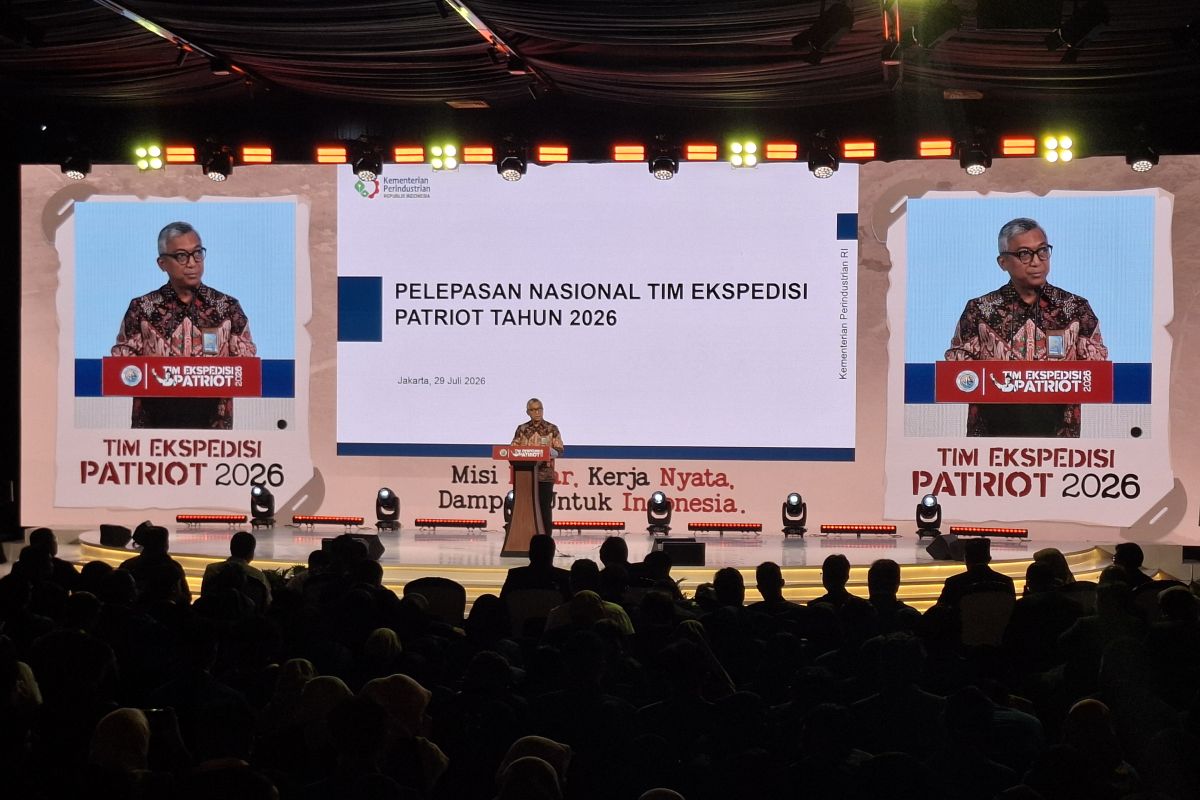
The Ministry of Industry (Kemenperin) has stated that industrial estates must become instruments for equitable development by attracting investment, creating jobs, and involving local communities. Director General of Industrial Resilience, Regional, and International Access, Tri Supondy, said the development of industrial estates needs to be tailored to the characteristics and potential of each region. “The goal is not merely to relocate industries outside Java, but to create new centres of economic growth in Indonesia,” Tri said during a briefing for the Patriot Expedition 2026 team in Jakarta. Industrial development in Java is directed towards high-tech and water-efficient activities due to the high density of economic activity in the region. Meanwhile, industrial development outside Java is focused on natural resource processing and labour-intensive industries to increase commodity value and expand employment opportunities. Tri highlighted that industrial estates must also build linkages with small and medium enterprises (SMEs) and surrounding communities. The development is guided towards the concept of Eco Industrial Parks, integrating economic efficiency, energy and resource use, circular economy principles, and social inclusivity. In the medium term, the ministry targets the processing industry to grow by 8.14 percent by 2029, contributing 21.9 percent to the national gross domestic product (GDP). This will be supported by downstreaming natural resource-based industries, infrastructure development, SME empowerment, and increased use of domestic products. The government is also strengthening raw material supply, human resource development, machinery restructuring, green industry implementation, and digital transformation through the Making Indonesia 4.0 roadmap. Tri noted that the processing industry remains the backbone of the national economy. In the first quarter of 2026, the sector grew by 5.04 percent, up from 4.55 percent in the same period the previous year, contributing 1.03 percentage points to the national economic growth of 5.61 percent. The sector’s contribution to national GDP reached 19.07 percent, valued at Rp1,179.62 trillion, while investment realisation was recorded at Rp182.04 trillion, or 36.49 percent of total national investment. Export value from the processing industry from January to May 2026 reached 94.62 billion US dollars, accounting for 82.03 percent of total national exports. The non-oil and gas processing sector also employed 20.04 million workers as of February 2026. The Industry Confidence Index in June 2026 stood at 52.09, indicating that industrial activity remains in an expansionary phase. “With the support of all stakeholders, we believe the national industrialisation strategy will become an important foundation in realising Indonesia’s economic transformation that is advanced, independent, and globally competitive,” Tri stated.