
Industrial Corridor Optimisation: PKP Shifts Subsidised Housing to Vertical Model
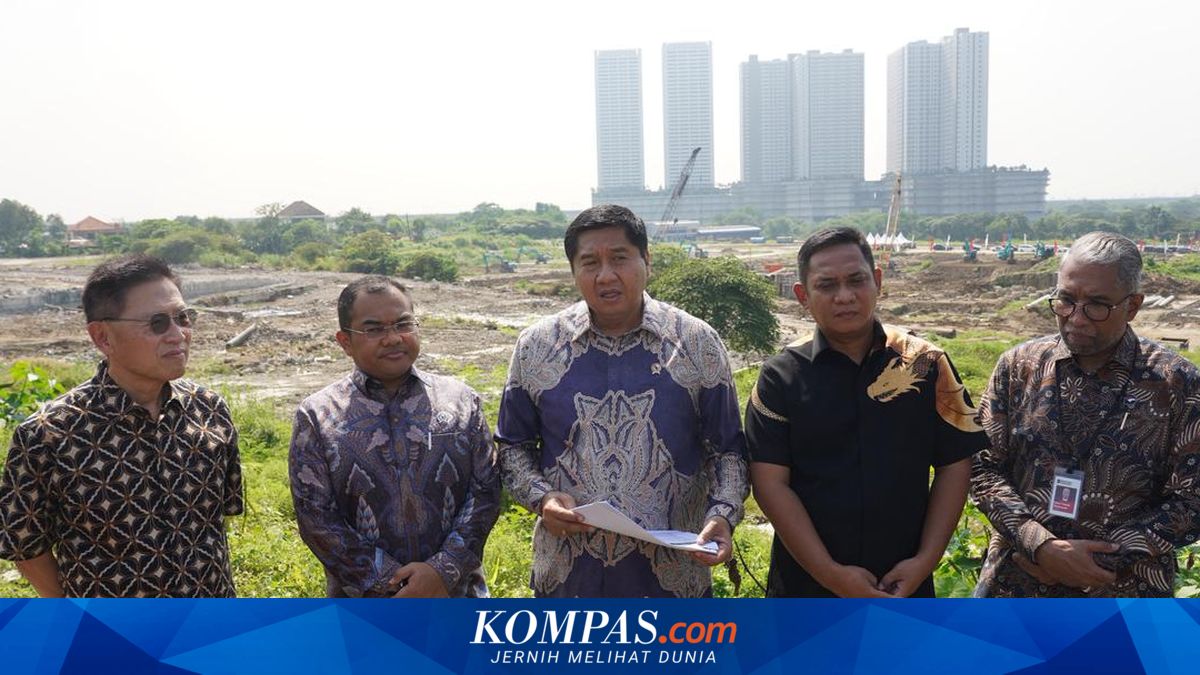
The Ministry of Housing and Settlement (PKP) has officially shifted its approach to meeting housing needs for Low-Income Groups (MBR) from horizontal to vertical. This move is marked by designating the Meikarta area in Cikarang, Bekasi Regency, West Java, as a pilot site for large-scale integrated vertical housing development to support the 3 Million Houses Programme. Under this scheme, authorities aim to bring workers’ housing closer to manufacturing hubs. Cikarang was selected as it is one of Southeast Asia’s largest manufacturing industrial clusters, hosting thousands of active factories. The concentration of upstream industrial activity in the region absorbs millions of workers who have long faced inefficiencies in daily commuting costs due to a lack of affordable housing near workplaces. Minister PKP, Maruarar Sirait, stressed that providing subsidized apartment housing in urban areas is an unavoidable policy instrument to save urban planning space. The government is moving to identify land reserves owned by State-Owned Enterprises (SOEs) such as Perumnas and private developers. The designation of Meikarta as a strategic national project site has drawn serious attention from public policy analysts, given the project’s past legal issues and delays in commercial unit handovers. The government stated that reactivating these land assets must be accompanied by strict transparency and financial accountability measures to prevent new consumer losses. It has strictly banned the use of outdated management models that previously failed and sparked public controversy. The initial physical delivery target is set to be completed and ready for handover by August 2028.