
Industrial constraints hamper NATO members' ability to absorb defence budgets
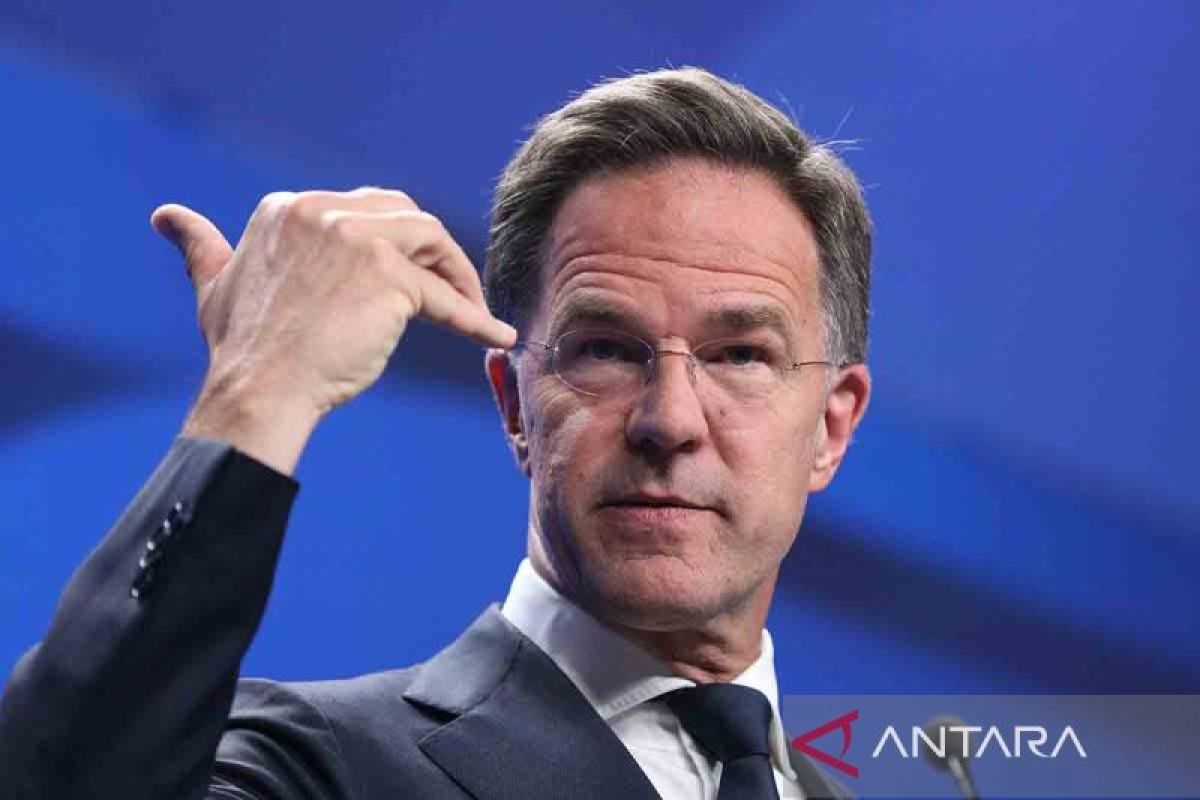
NATO Secretary General Mark Rutte has revealed that inadequate industrial capacity is hindering European members of the alliance and Canada from fully realising their defence budgets. Speaking at a press conference ahead of the NATO Summit in Ankara, Turkey, on Monday local time, he stated that defence contractors engaged by member states have not yet been able to ramp up their production capacity. Canada and European countries have so far allocated an additional 250 billion US dollars for the alliance’s defence needs. Nevertheless, Rutte acknowledged that spending such a large sum is no simple matter. “There are limitations on what you can spend as additional outlay in one or two years, both in terms of recruiting new military personnel and in ensuring the defence industrial base, which is currently growing rapidly, can produce more output,” Rutte said. “However, there are of course still limitations on their ability to boost production capacity in the space of one or two years,” he added. The industrial constraints have surfaced amid pressure from US President Donald Trump, who has repeatedly criticised European NATO members for what he considers low contributions to the alliance’s defence capabilities. Trump has demanded that all NATO members increase their defence spending to five per cent of Gross Domestic Product. At the end of June, US Ambassador to NATO Matthew Whitaker stated that Washington expects allies to report progress on increasing their defence budgets at the NATO Summit in Ankara. Whitaker also stressed that it is time for European countries to take full responsibility for defending their own continent using conventional forces. This year’s NATO Summit is taking place in Ankara, Turkey, on 7-8 July.