
Indosat: AI Sovereignty Must Begin with Ecosystem Development
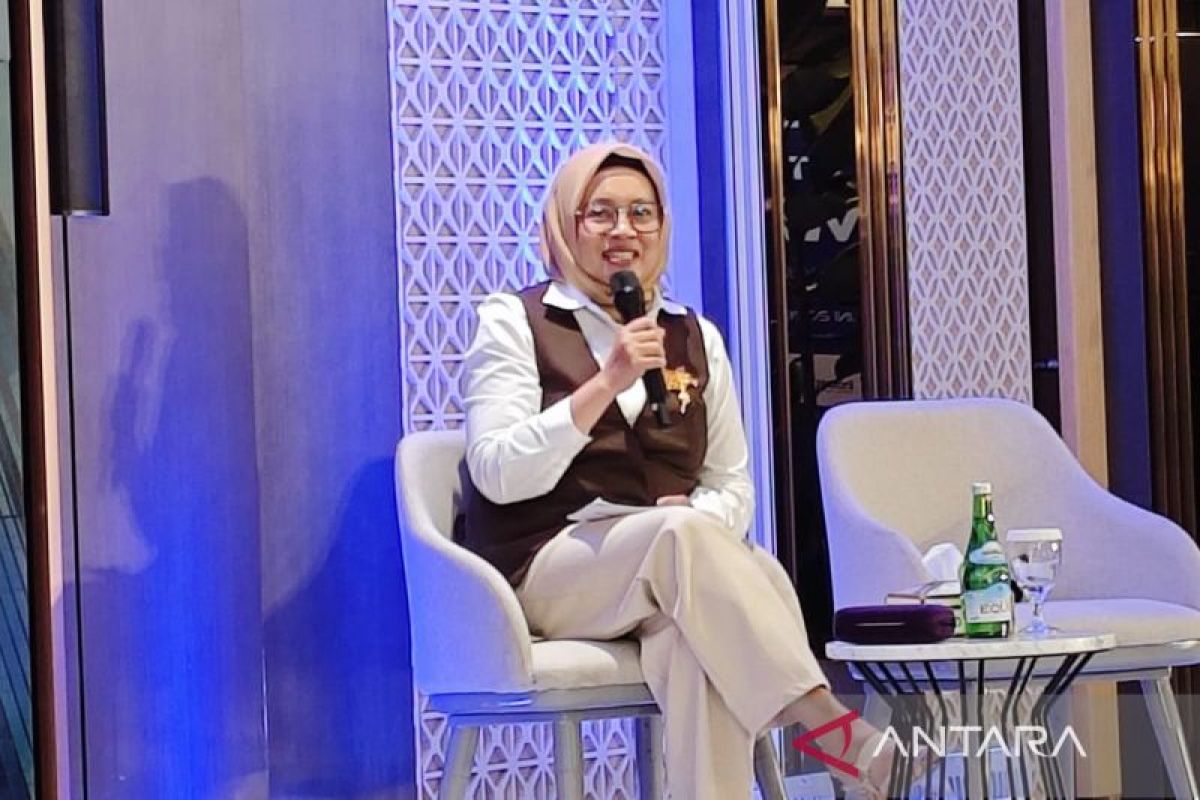
Jakarta (ANTARA) - Indosat’s Director and Chief Legal & Regulatory Officer, Reski Damayanti, believes that efforts to build artificial intelligence (AI) sovereignty in Indonesia must begin with the development of a supporting ecosystem, encompassing talent development, infrastructure, and government support.
According to Reski, Indonesia cannot immediately create AI applications without the readiness of the human resources required to develop such technology.
“We must first create an AI ecosystem. We cannot claim that Indonesia must create applications if the talent is not ready; these two must progress in tandem,” Resim stated during a discussion session at the Indonesia AI Ethics Summit in Jakarta on Wednesday.
As an example, she highlighted Singapore’s policy of providing incentives to companies that develop AI models by employing local AI experts.
Reski noted that government support is a crucial factor in accelerating the growth of the national AI ecosystem.
“It is impossible to mandate that data for sovereign AI must reside in Indonesia if the infrastructure is not yet ready. Therefore, infrastructure development must be carefully considered,” she said.
Reski believes Indonesia possesses the advantages to become a regional AI infrastructure hub, citing the availability of land and the energy resources required to operate large-scale data centres.
The construction of data centres equipped with Graphics Processing Units (GPUs) requires significant energy capacity and vast areas of land.
“Indonesia has an advantage because it possesses sufficient energy resources and the opportunity to develop green energy. This must be considered to encourage Indonesia to become one of the largest infrastructure providers,” she added.
She emphasised that the development of an AI ecosystem cannot be carried out in isolation; rather, talent development, infrastructure, and innovation must progress simultaneously.
Reski added that Indonesia needs to begin utilising its full potential to build adequate technological capacity so that it does not merely remain a user, but becomes a technology provider in the future.
“We must start thinking about how to leverage our natural strengths, our power, and our people; we have a large population. We must ensure that our large population is not merely directed to consume without us first building the necessary infrastructure,” she concluded.