
Indonesia's Waste Crisis Requires Collaborative Solutions
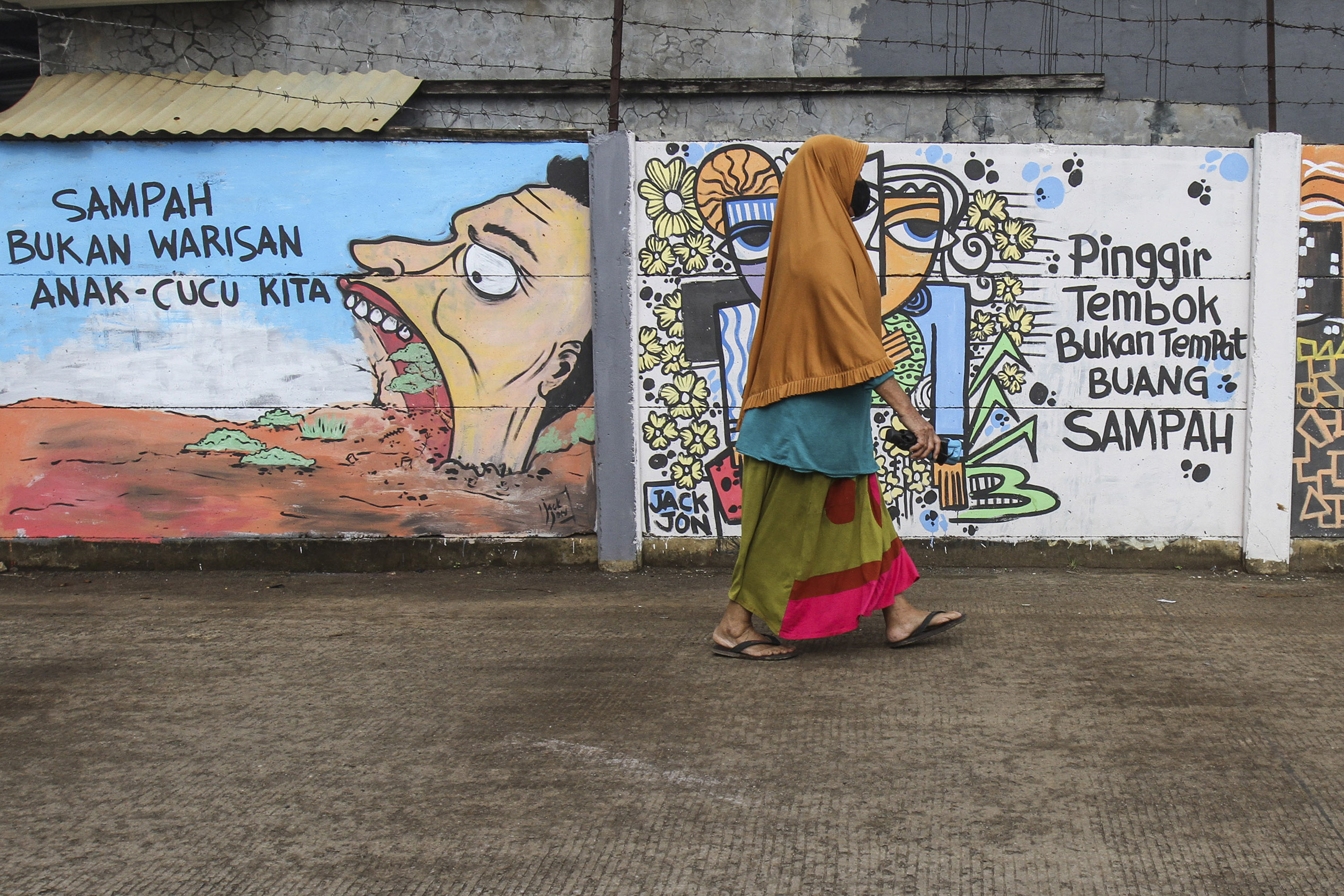
The waste issue in Indonesia is deemed to require handling that involves multiple parties. Driven by this need, Universitas Negeri Jakarta (UNJ) has established a partnership with the Indonesia Sustainability Movement (Inamove) to strengthen research, training, scientific publication, seminars, and the development of solutions for waste management and environmental issues.
This collaboration was introduced during an Academic Forum titled “Mapping Solutions for Indonesia’s Waste Emergency” at the Dewi Sartika Building, UNJ, East Jakarta, on Wednesday (1/7/2026). Previously, both parties signed a memorandum of understanding on 26 June 2026.
UNJ Rector Prof. Dr. Komarudin stated that the cooperation aligns with the university’s vision to promote sustainable development. “When Inamove offered cooperation for sustainability ideas, we accepted it immediately. We coordinated it with our existing units because it aligns with UNJ’s vision and mission,” said Komarudin.
He noted that UNJ provides academic support through the Environmental Management, Environmental Education, and Population and Environmental Education study programmes. The campus has also inaugurated a Waste Management Centre and an Integrated Waste Treatment Site (TPST) as part of strengthening the waste management system.
Komarudin expressed hope that this cooperation would evolve into concrete programmes alongside the Ministry of Environment and various stakeholders. “Our hope is that this activity does not end here. There should be continuations and broader cooperation with the Ministry of Environment,” he said.
Inamove initiator Dr. Rahmat Hidayat Pulungan stated that Indonesia still faces various sustainability issues, ranging from waste and clean water crises to deforestation, food security, and transportation. Therefore, Inamove was formed as a platform for cross-sector collaboration.
“This movement platform was initiated by 17 rectors, hundreds of professors, interfaith religious leaders, and professionals from many strategic industrial sectors,” he said. Rahmat emphasised that the movement aims to ensure that current development does not leave environmental problems for future generations.
During the forum, the Minister of Environment, Moh Jumhur Hidayat, appreciated UNJ’s step in initiating waste management within the campus environment. He noted that the government is preparing a “National Ecological Repentance Movement” that will involve various elements of society.
“I am grateful that UNJ is starting waste management within its own campus. In the near future, we will launch this and invite our university colleagues. We want to carry out a national ecological repentance,” said Jumhur.
Meanwhile, the Coordinator of Special Staff to the Governor of Jakarta, Prof. Ir. Firdaus Ali, M.Sc., Ph.D., revealed that Indonesia produces approximately 56 million tonnes of waste annually, but only 39 to 40 per cent is successfully managed. He argued that the issue must be addressed through waste reduction at the source, sorting, circular economy, the use of technology, and collaboration among all stakeholders.