
Indonesia's Vast Marine Potential Highlighted Amid Concerns Over Fishermen's Welfare
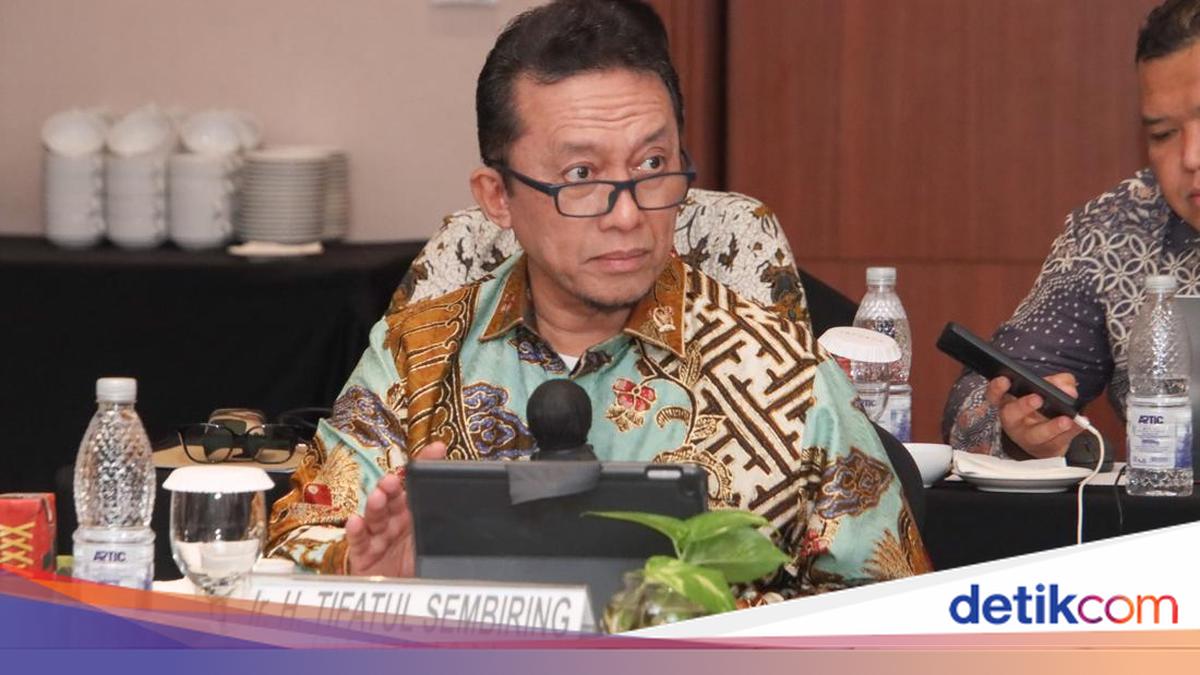
Tifatul Sembiring, Chairman of Group IV of the MPR Research Body, has expressed concern regarding the fate of fishermen and farmers in Indonesia. He noted that the livelihoods of these two professions remain precarious and far from prosperous.
Despite Indonesia possessing vast natural potential that should ideally ensure prosperity for these sectors, the current situation remains dire. These concerns were raised during a Focus Group Discussion (F/D) held by the MPR Research Body in South Tangerang, Banten, titled ‘State Financial System, National Economy, and Social Welfare (The Contribution of Marine Potential to the National Economy)’.
Tifatul Sembiring stated that the lack of prosperity among fishermen is inconsistent with the mandate of Article 33, Paragraph 3 of the 1945 Constitution of the Republic of Indonesia and Law Number 32 of 2014 concerning Marine Affairs. Consequently, many fishermen live below the poverty line, unable to compete with foreign fishermen who utilise advanced technology.
“Our fishermen are still searching for fish, while foreign fishermen can already pinpoint the position and species of fish in the sea, simply deciding which ones to catch. Furthermore, our fishermen are limited to shallow waters and must compete with one another, whereas foreign fishermen can harvest from deep-sea areas,” Tifatul remarked.
Indonesia’s marine potential is immense, with a coastline spanning 99,083 km. According to the Ministry of Marine Affairs and Fisheries (KKP), Indonesia’s marine production in 2025 is projected to reach 26.25 million tonnes, comprising 11.65 million tonnes of seaweed, 7.85 million tonnes of captured fish, and 6.75 million tonnes of aquaculture products.
The economic potential of Indonesia’s marine sector, covering 11 sub-sectors, is estimated by the KKP to reach US$1.33 trillion per year, or approximately Rp 20 quadrillion. This suggests significant untapped potential.
“What is concerning is that part of that potential is frequently stolen by foreign fishermen. According to the Directorate General of Marine Resources Surveillance of the KKP, state losses are estimated to reach Rp 360 billion annually,” added Tifatul.
Meanwhile, M. Riza Damanik, Deputy for Entrepreneurship at the Ministry of MSMEs, stated that Indonesia’s future lies in the sea, as terrestrial natural resources are nearing depletion. He noted that current oil refineries, for instance, are the result of past explorations and are ageing.
Regarding food security, Riza noted a continuous rise in fish protein consumption. Research indicates that as a nation’s economy improves, protein sources tend to shift from meat to fish. During the Reformation era, per capita fish consumption in Indonesia was 11 kg per year, which has since risen to over 50 kg.
“However, at the same time, the capture fisheries sector tends to stagnate or even decline, being replaced by a growing trend in aquaculture. This is happening not only in Indonesia but globally. This means that while 10-15 years ago, capture fisheries were the primary source of animal protein for the world, today they are being replaced by aquaculture,” Riza explained.
Riza argued that the sea still holds great potential for seaweed aquaculture, as this commodity offers significant value-added opportunities through derivatives such as carrageenan flour, biostimulants, and agar-agar powder. Processing seaweed into these derivatives has the potential to increase value by up to 14 times.
“Indonesia is the largest producer and exporter of seaweed in the world, yet 93.4% is exported in unprocessed or raw form. Meanwhile, China, which imports seaweed from Indonesia, is able to sell 84.11% of processed derivative products, reaping much higher profits than Indonesia,” Riza concluded.
Source: jawawa.id (https://jawawa.id/newsitem/indonesias-vast-marine-potential-highlighted-amid-concerns-over-fishermens-welfare-1790848925)
Originally published by detikcom (https://news.detik.com/berita/d-8687947/potensi-laut-ri-besar-tifatul-sembiring-soroti-kesejahteraan-nelayan), translated from Indonesian