
Indonesia’s Vast Geothermal Reserves: Why Are They So Difficult to Tap?
Indonesia has vast potential for geothermal energy. However, using it to generate electricity still faces a range of challenges, from high investment costs to the risk of unsuccessful drilling.
PT Pertamina Geothermal Energy Tbk (PGE) said developing a geothermal power plant requires a lengthy process and substantial funding. PGE Operations Director Andi Joko explained that one of the biggest challenges in the geothermal business is exploring for underground heat sources.
Drilling does not necessarily find a steam source that can be used to generate electricity.
This means exploration carries significant risks, even after a company has invested in drilling, Andi said. Steam is a key component in the operation of a geothermal power plant.
Andi said the company needs to ensure that development is integrated from the search for geothermal resources through to the operation of the power plant. This is necessary to sustain the business and ensure that the investment made delivers returns.
Despite the challenges, PGE is continuing to increase the capacity of the geothermal power plants it operates. Andi said Indonesia’s geothermal potential stands at around 24 gigawatts (GW), while PGE has about 3.2 GW of development potential.
PGE’s own operating capacity currently stands at just 727 megawatts (MW). The company aims to increase this to 1 GW, or 1,000 MW, by 2028 and then to 1.8 GW by 2034.
“We are targeting 1 GW by 2028, and then 1.8 GW by 2034,” he said.
To meet these targets, PGE is continuing drilling and development in several operating areas, including Lahendong, Lumut Balai and Ulubelu. Expanding power generation capacity, however, requires substantial investment.
Andi estimated that geothermal development could require around US$5 million to US$6 million for each MW of capacity, depending on conditions at each site. Areas requiring additional infrastructure, such as access roads to drilling locations, may incur higher costs.
Alongside its own funds, PGE uses various financing sources, including proceeds from its initial public offering (IPO) and external financing. The company is also open to working with state electricity firm PLN to develop geothermal projects.
A process that takes years
Tina Talisa, Special Staff to the Vice-President for Community Economic Empowerment and Social Development, stressed that geothermal development is a long-term process. The stages, from permitting and exploration to drilling and commercial operation of a power plant, can take around five to six years, she said.
“That is why this process is by no means short. So, in my view, continuity is the key word,” she said.
Tina also highlighted the importance of collaboration between the government, companies, academics and communities in developing geothermal energy. The benefits should not stop at electricity generation, she said, but should also be felt by people living near operating sites.
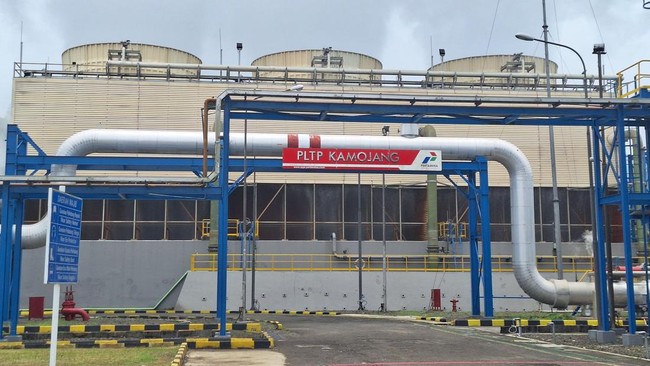
One example is the use of geothermal energy for agriculture and local businesses in the Kamojang area. Given the country’s substantial resources, geothermal energy could become an important energy source for Indonesia. Its development, however, still requires investment, time and support from a range of stakeholders.
Source: jawawa.id (https://jawawa.id/newsitem/indonesias-vast-geothermal-reserves-why-are-they-so-difficult-to-tap-1792594381)
Originally published by CNBC Indonesia (https://www.cnbcindonesia.com/news/20261021172608-4-778338/harta-karun-panas-bumi-ri-melimpah-mengapa-sulit-digali), translated from Indonesian