
Indonesia's Textile Industry Grows 6.36 Percent in Q2-2026
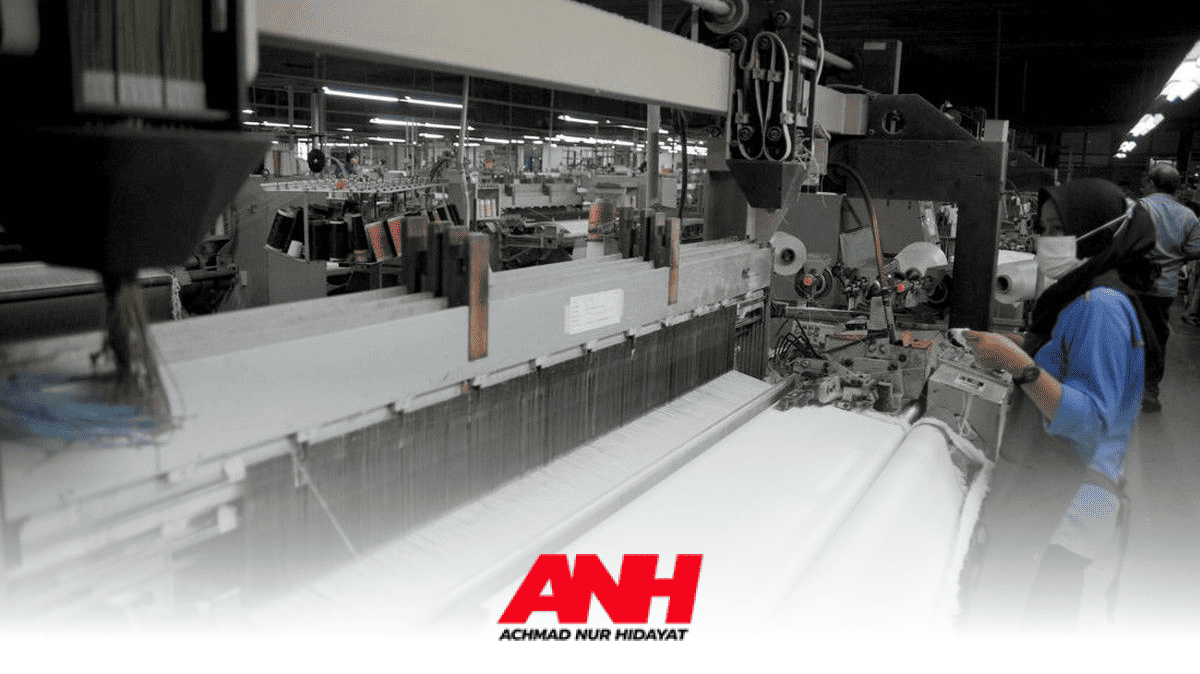
Indonesia’s textile and garment industry (TPT) grew by 6.36 percent year-on-year in the second quarter of 2026, according to Detik Finance on Thursday (6/8/2026). This marks an increase from the previous quarter’s 4.86 percent and surpasses the national economic growth rate of 5.29 percent.
The positive performance aligns with an expansion of production capacity and the entry of new capital into the country. In addition to outpacing the national economy, the TPT sector’s growth also exceeded the non-oil and gas processing industry, which grew by 5.32 percent over the same period.
“The industry’s growth rising from 4.86 percent to 6.36 percent shows a very positive direction. The textile and garment industry’s performance even grew higher than the national economy and the non-oil and gas processing industry,” said Rizal Tanzil Rakhman, Secretary General of the Indonesian Garment and Textile Association (AGTI).
Rizal explained that investor confidence in the domestic TPT sector remains strong. The incoming capital flows not only expand factory capacity but also strengthen the supply chain through the construction of modern manufacturing facilities and integrated industrial clusters.
Investment records from 2025 through August 2026 show accumulated funds reaching Rp 2.7 trillion. The total capital comes from six companies working on four TPT industry projects in Central Java and West Java.
The companies involved include PT Xinhai Knitting Indonesia, PT FHG Tekstil Indonesia, PT Citra Terus Makmur, PT Binkova Textiles Indonesia, PT Dafei Textile Indonesia, and PT Serendipity Fashion Indonesia.
In Central Java, PT Xinhai Knitting Indonesia invested approximately US$40 million, or around Rp 649 billion to Rp 675 billion, in Brebes Regency. Meanwhile, PT FHG Tekstil Indonesia disbursed an initial investment of Rp 569 billion in Demak Regency.
For West Java, the recovery and expansion of production facilities was carried out by PT Citra Terus Makmur in Sumedang Regency with a value of Rp 500 billion. Meanwhile, PT Binkova Textiles Indonesia, PT Dafei Textile Indonesia, and PT Serendipity Fashion Indonesia are building an integrated manufacturing area in Subang Smartpolitan worth US$60 million, or approximately Rp 1 trillion.
“This investment trend shows that Indonesia remains an attractive destination for the global textile industry, especially supported by a large domestic market, a competitive labour base, and a strategic position in the regional supply chain,” said Rizal.
Regulatory support and strategic partnerships are expected to keep the national manufacturing business climate consistent amid international market competition.
“We are optimistic that this growth momentum can be maintained through synergy between the government and business players so that the TPT industry becomes increasingly competitive in the global market,” said Rizal.