
Indonesia's Sugar Can Achieve Self-Sufficiency More Quickly
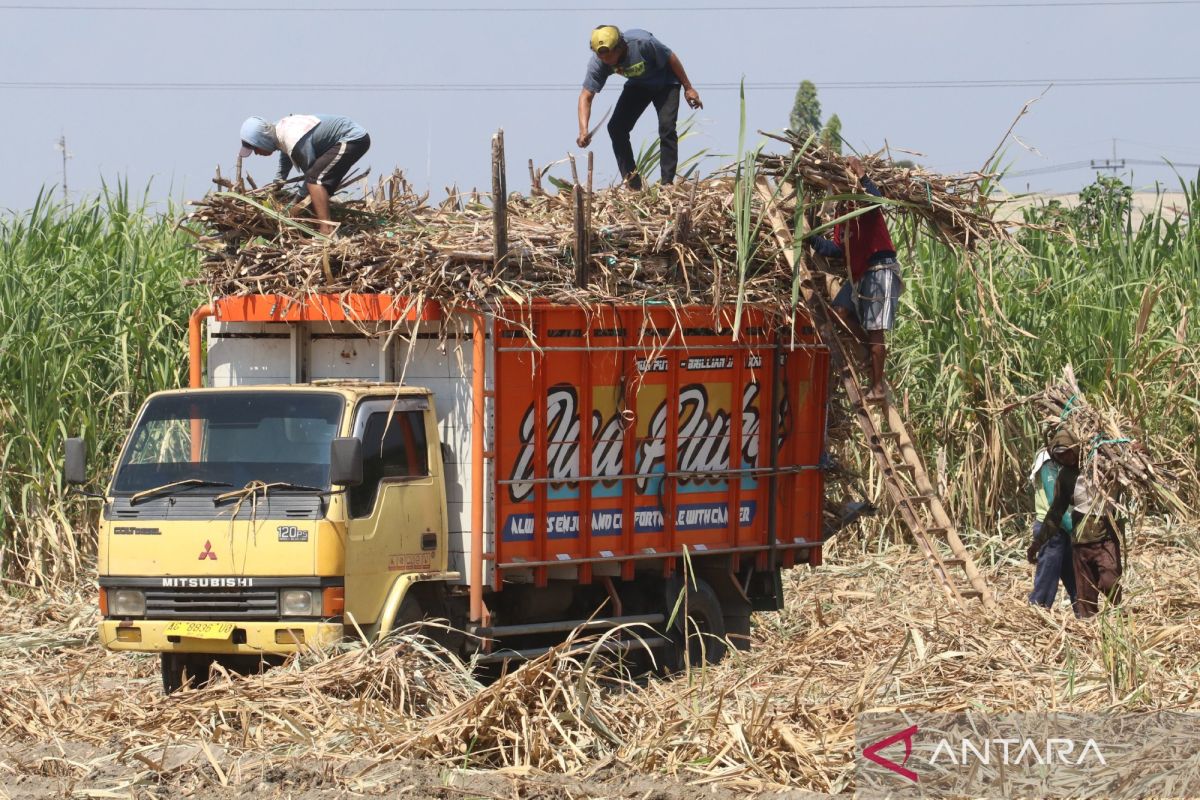
With a more integrated combination of upstream and downstream policies, optimism towards sugar self-sufficiency is becoming increasingly tangible.
Jakarta (ANTARA) - For years, sugar has been a paradox in Indonesia’s food policy. Amid vast resource potential, the country has instead relied on significant imports.
Data shows that between 2020 and 2024, Indonesia’s sugar imports ranged from 5 to 6 million tonnes per year, far exceeding domestic production of only 2.3 million to 2.6 million tonnes. This dependency positions Indonesia as one of the world’s largest sugar importers.
However, the dynamics of the past two years indicate a different direction. Production is beginning to rise, government programmes are becoming more structured, and most importantly, there is the courage to change governance. With a more integrated combination of upstream and downstream policies, optimism towards sugar self-sufficiency is becoming increasingly tangible.
President Prabowo Subianto has repeatedly emphasised the importance of food sovereignty as the foundation of national strength. He stated that Indonesia must be able to meet its own food needs, including strategic commodities like sugar, without relying on imports. This affirmation certainly signals that sugar self-sufficiency is a priority in government policy.
The most noticeable change is seen in the consumption sugar segment. In 2025, national sugar production reached around 2.67 million tonnes, an increase compared to previous years which tended to be stagnant. At the same time, the national consumption sugar requirement is around 2.8 million tonnes per year.
What makes the 2026 situation different is the presence of a relatively large initial stock (carry over), estimated to exceed 1.3 million tonnes. With the combination of new production and that stock, the government is taking a strategic step by not importing consumption sugar in 2026.
This step is not merely an administrative policy, but a strong signal that the balance between production and consumption is beginning to be achieved. In operational terms, this condition can be categorised as self-sufficiency in consumption sugar.
Agriculture Minister Andi Amran Sulaiman has openly expressed that optimism. He affirmed that with the acceleration of the national sugarcane programme, particularly through ratoon dismantling, improvement of superior seeds, and land expansion, Indonesia is on the right track to achieve consumption sugar self-sufficiency more quickly than the original target.
In addition, the government is also strengthening the demand side by maintaining price stability and improving distribution. The National Food Agency ensures that the balance of supply and prices remains maintained, so that farmers are not disadvantaged and consumers remain protected.
In other words, consumption sugar self-sufficiency in 2026 is not a matter of chance, but the result of a combination of increased production, maintained stock, and more disciplined import policies.
Ratoon dismantling, land expansion, and value addition